The Head Tilt — Signaling You're Listening
The head tilt is one of the most disarming warmth signals in the human repertoire. It exposes the neck — one of the most vulnerable parts of the body — which is why it reads universally as 'I am not a threat. I am li
Part 1: The Head Tilt — Signaling You're Listening
+5 XP on completion
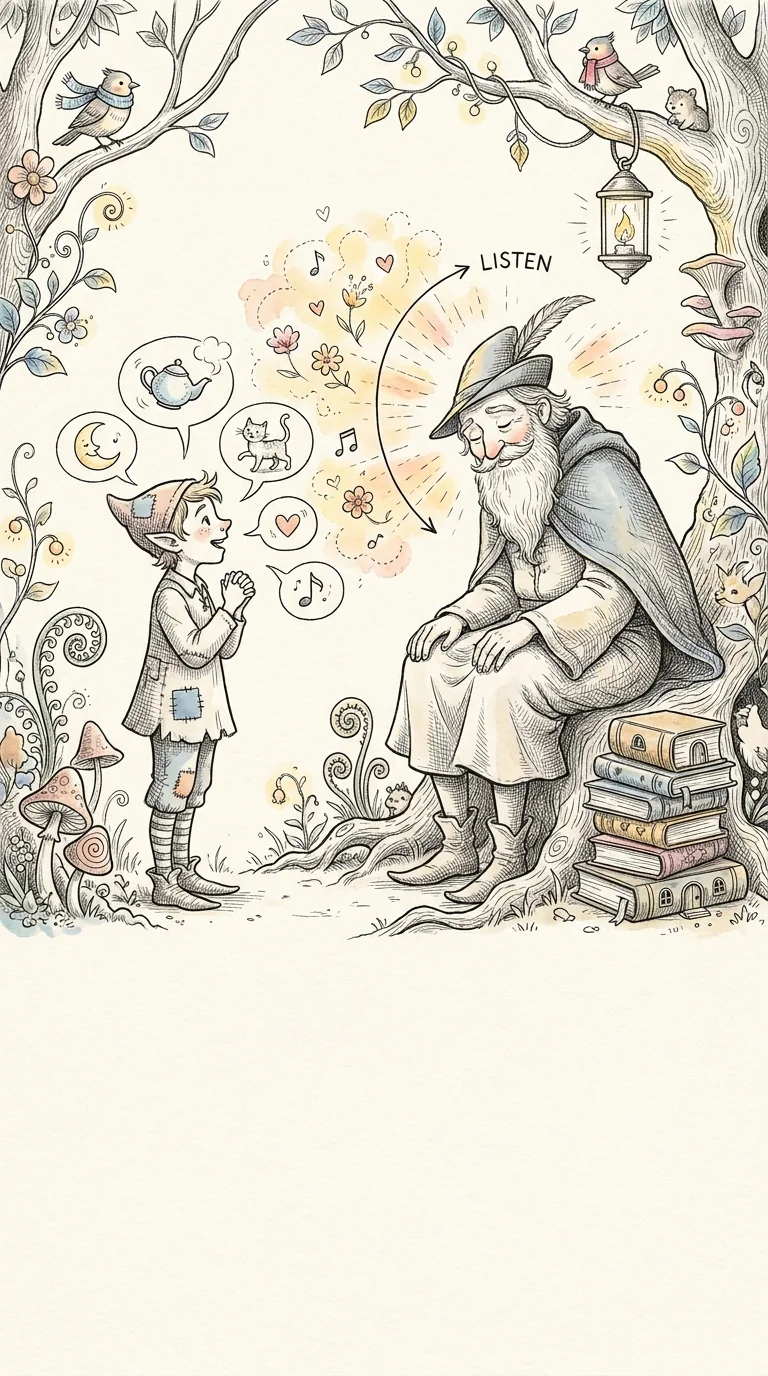
The head tilt is one of the most disarming warmth signals in the human repertoire. It exposes the neck — one of the most vulnerable parts of the body — which is why it reads universally as 'I am not a threat. I am listening.'

Dogs do this. Children do it without being taught. It's a pre-verbal warmth signal that hasn't changed in thousands of years. When someone tilts toward you, you feel it before you notice it.

The head tilt is most powerful when someone is sharing something vulnerable, difficult, or personal. It says: I am receiving what you're giving me. I am not going to judge it.
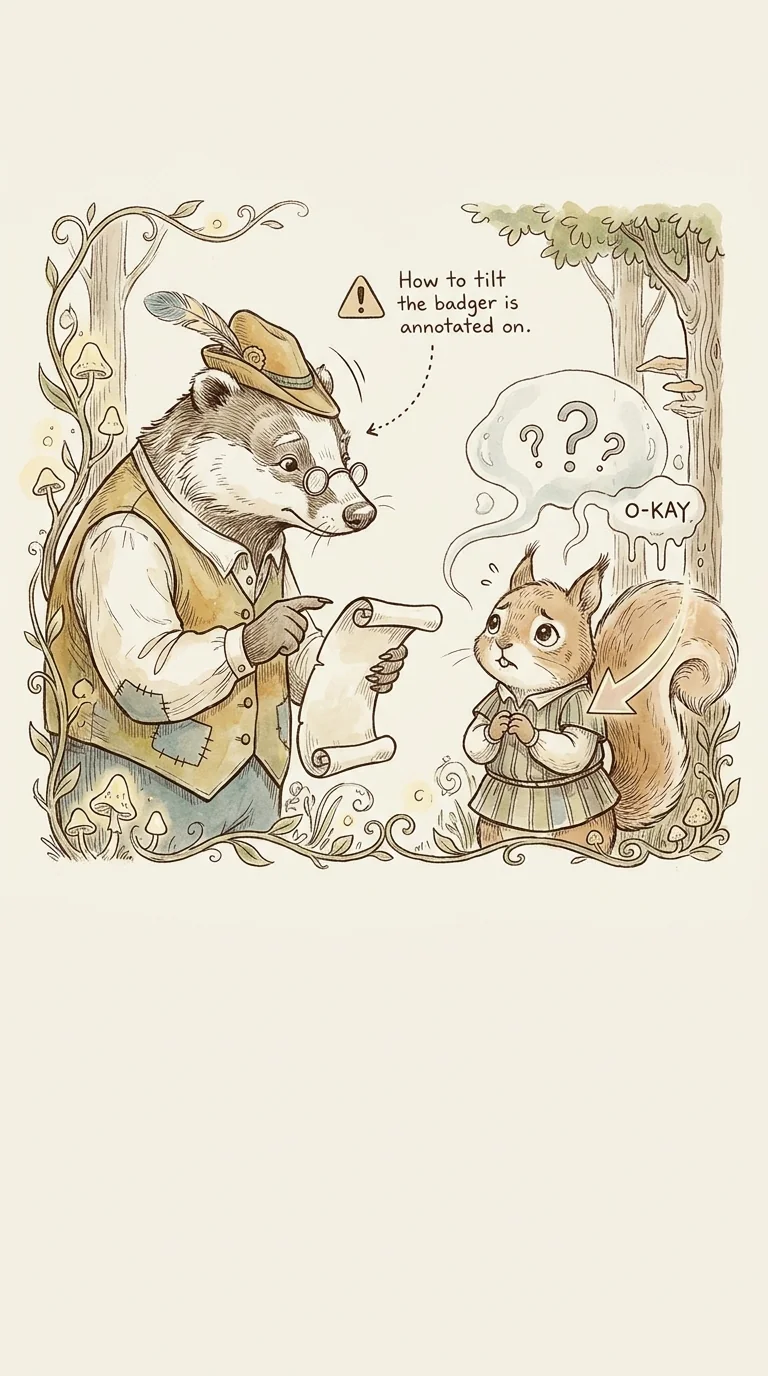
The head tilt works against you in one context: when you're asserting authority. A tilted head while you're giving a directive softens the message so much it may not land as a directive at all.
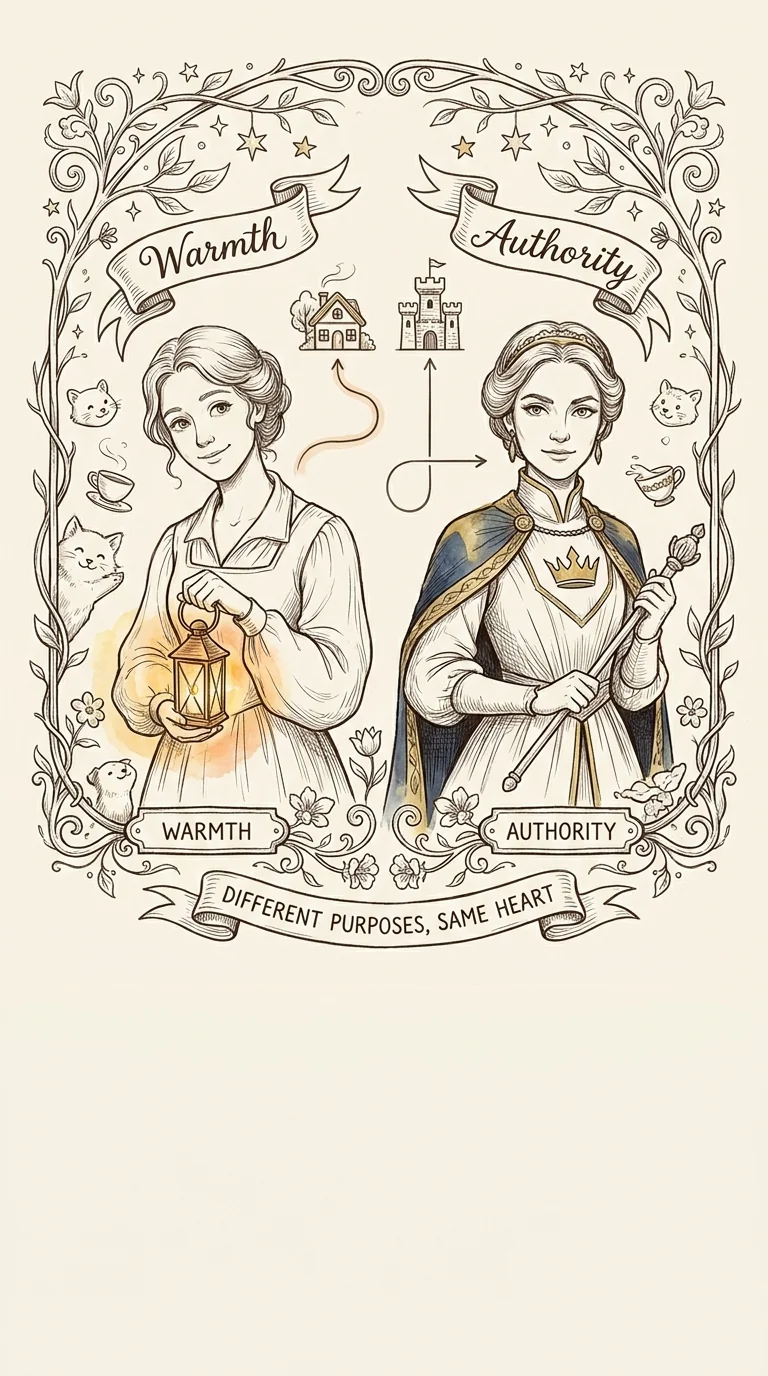
The rule: head tilt for warmth, listening, and comfort. Head level for authority, clarity, and assertion. Read the moment and choose the right one.

Today's practice: in the next difficult conversation — the one where someone is stressed, frustrated, or struggling — add one deliberate head tilt. Watch what happens to their pace. People slow down when they feel received.
Part 2: The Slow Nod — Invite More
+10 XP on completion
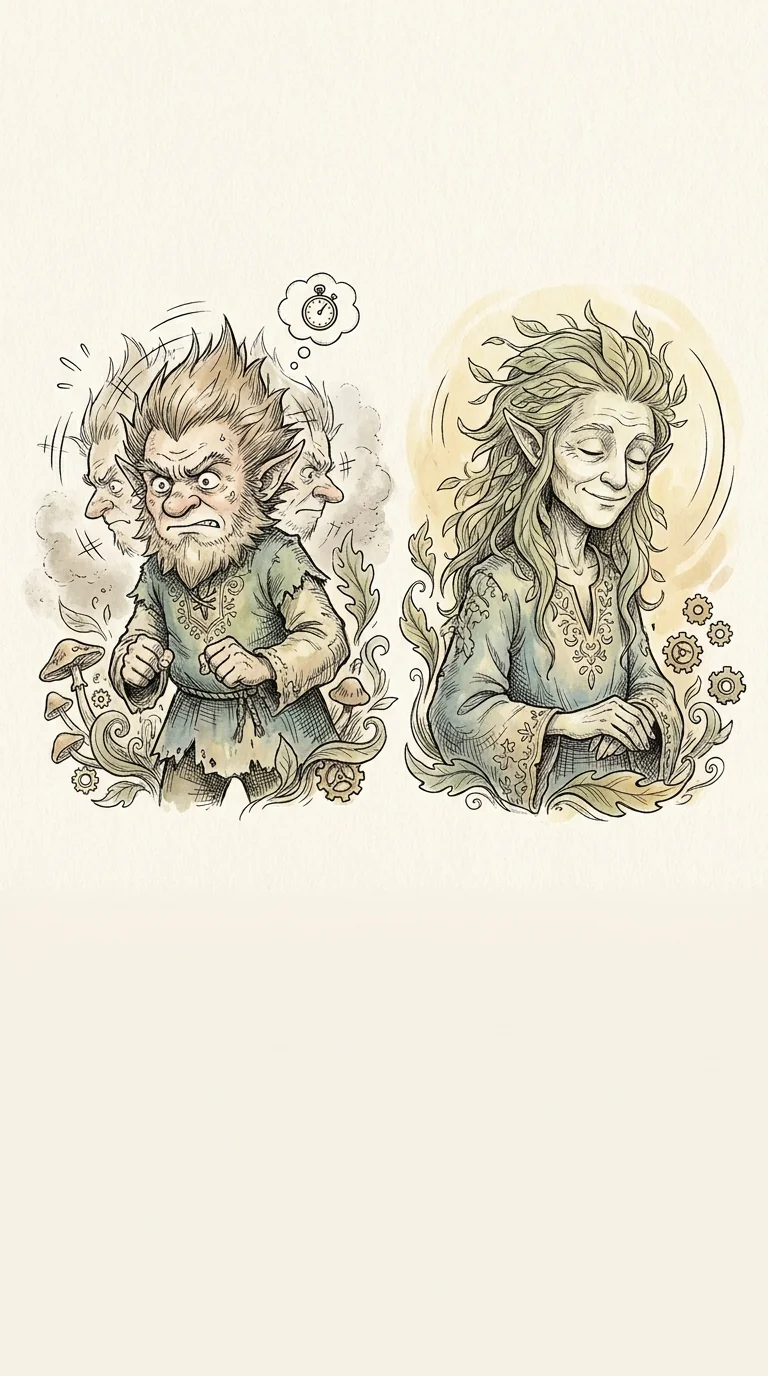
Not all nods are created equal. A fast nod means: hurry up, I've heard enough, get to the point. A slow nod means: I'm with you, keep going, I want more.
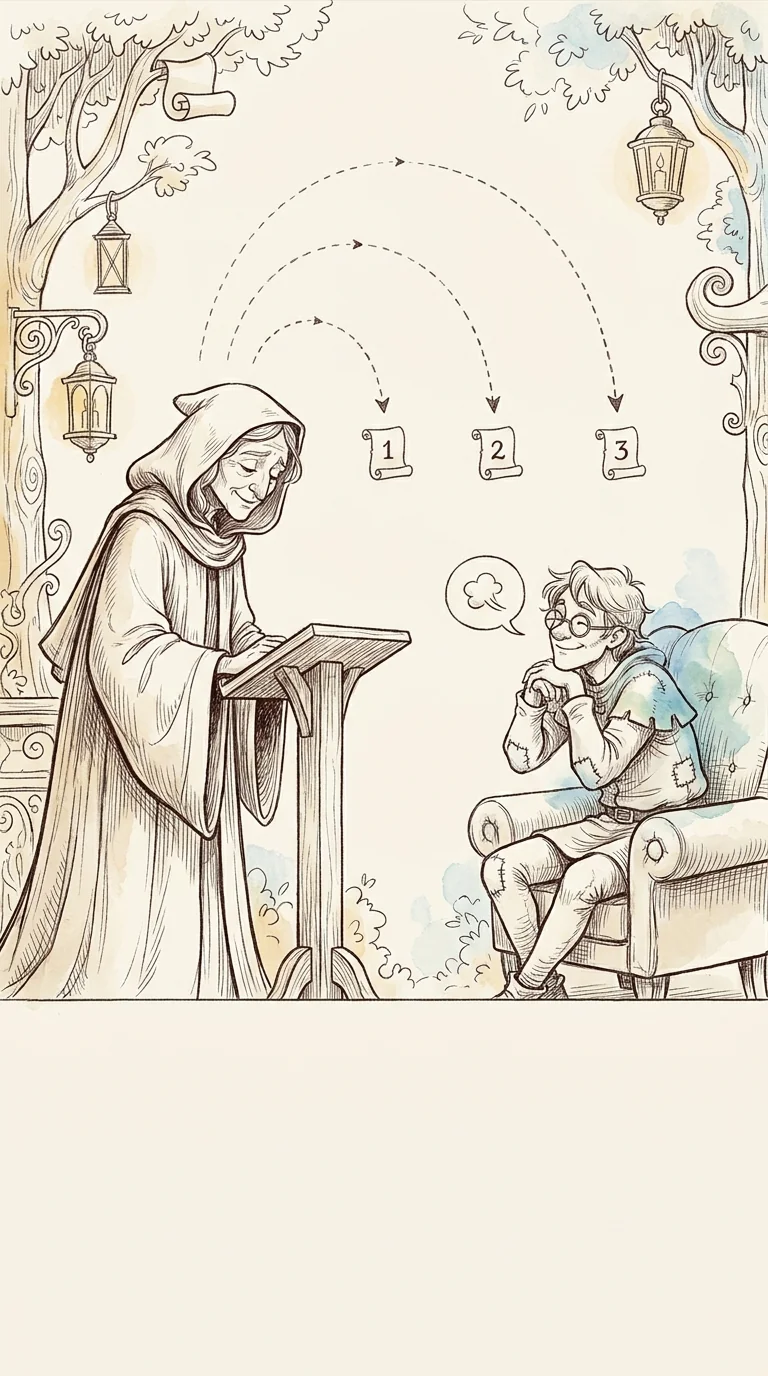
The triple slow nod is particularly powerful: three deliberate, unhurried nods after someone finishes a point. It signals that you absorbed what they said before responding — a rare and disarming experience for most people.

The triple slow nod is also a conversation tool: it invites elaboration without asking a question. People often don't share the most important thing until they feel safe enough to keep going — and this nod creates that space.

Nodding while talking is different. Nodding while you make your own points subconsciously encourages the listener to agree — a subtle rapport technique used by skilled negotiators.
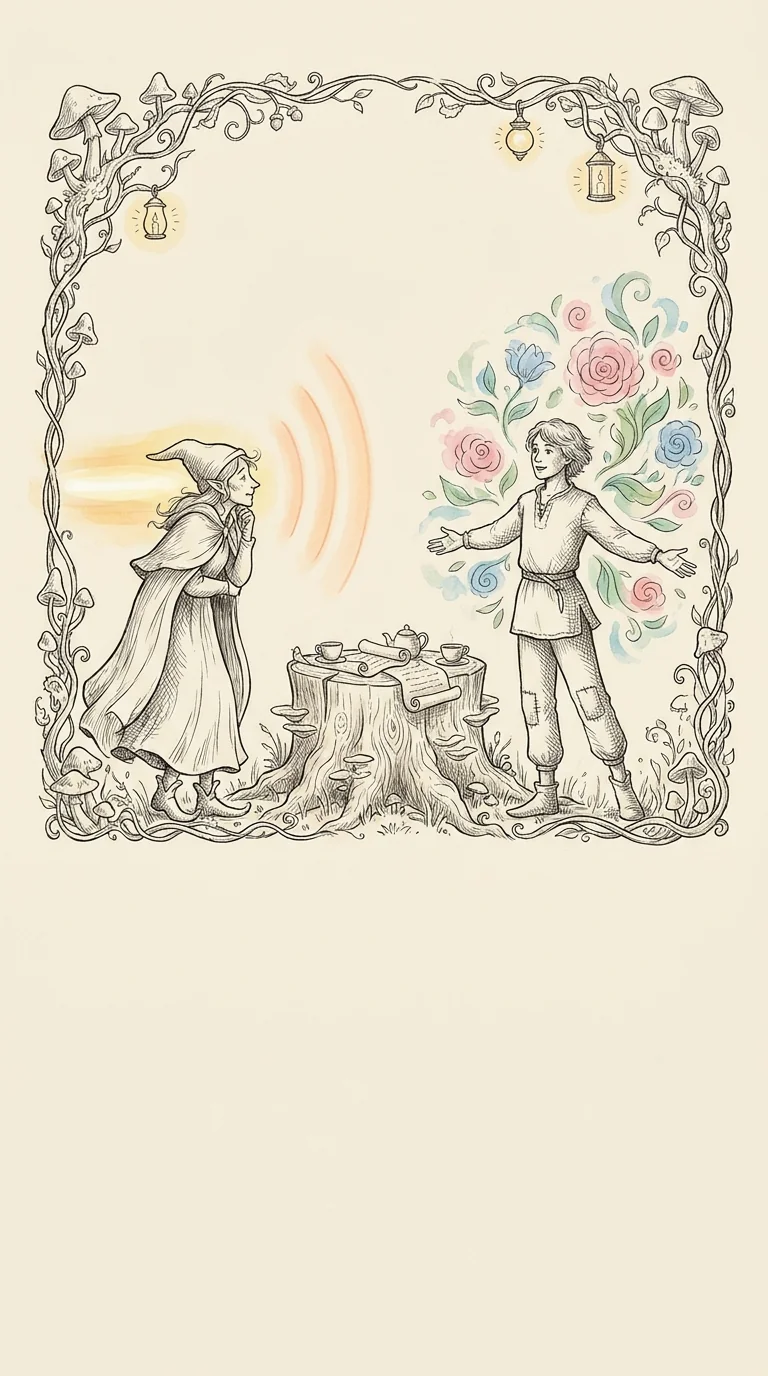
Combining the head tilt with the slow nod is the most powerful warmth signal in a listener's toolkit. One says 'I'm open.' The other says 'I want more.' Together, they tell the other person they are genuinely wanted in the conversation.
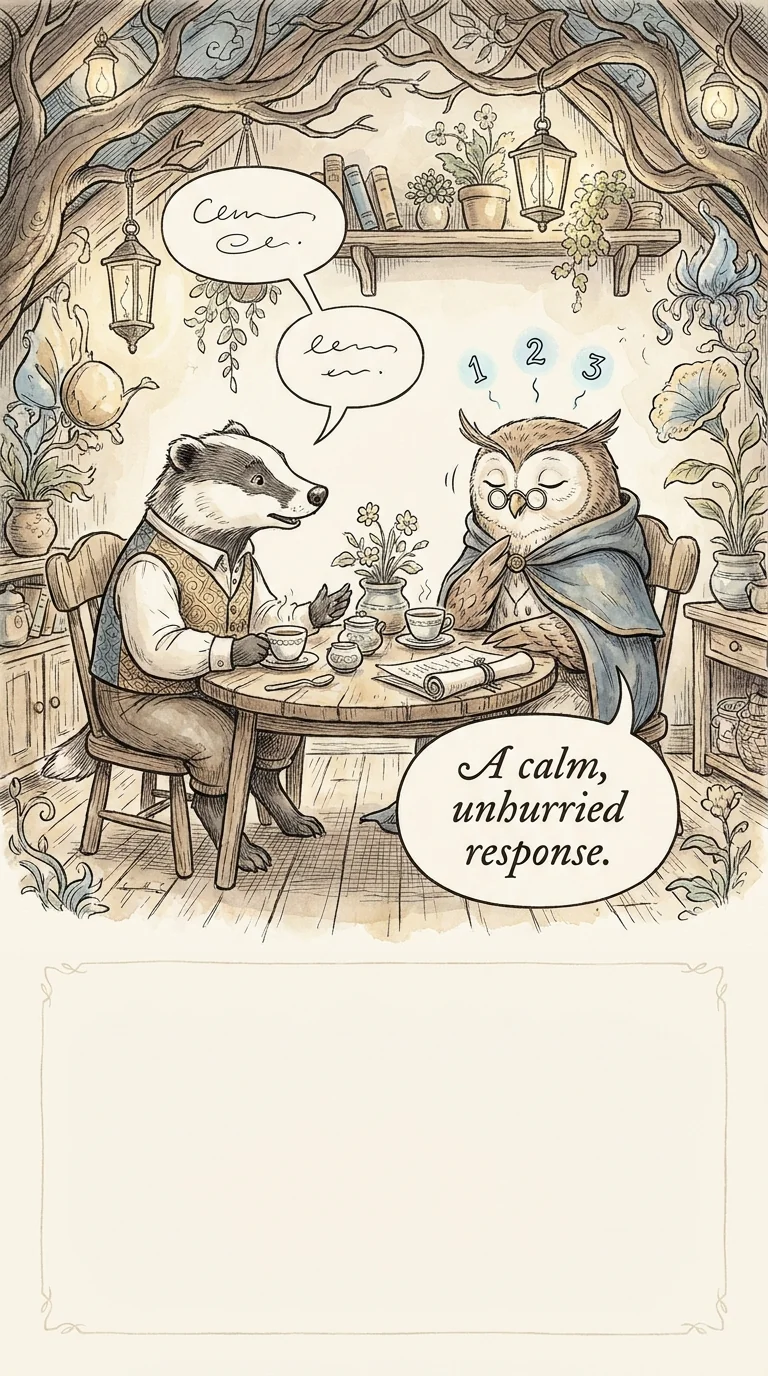
Today: use the triple slow nod in one conversation. Just once — after someone finishes making a point, before you respond. Count to three internally. Then speak. Notice the pause and what it creates.