The Triple Threat
People decide whether to trust you before you say a single word. In the first few seconds of any meeting, your body has already cast a vote.
Part 1: The Triple Threat
+5 XP on completion
People decide whether to trust you before you say a single word. In the first few seconds of any meeting, your body has already cast a vote.
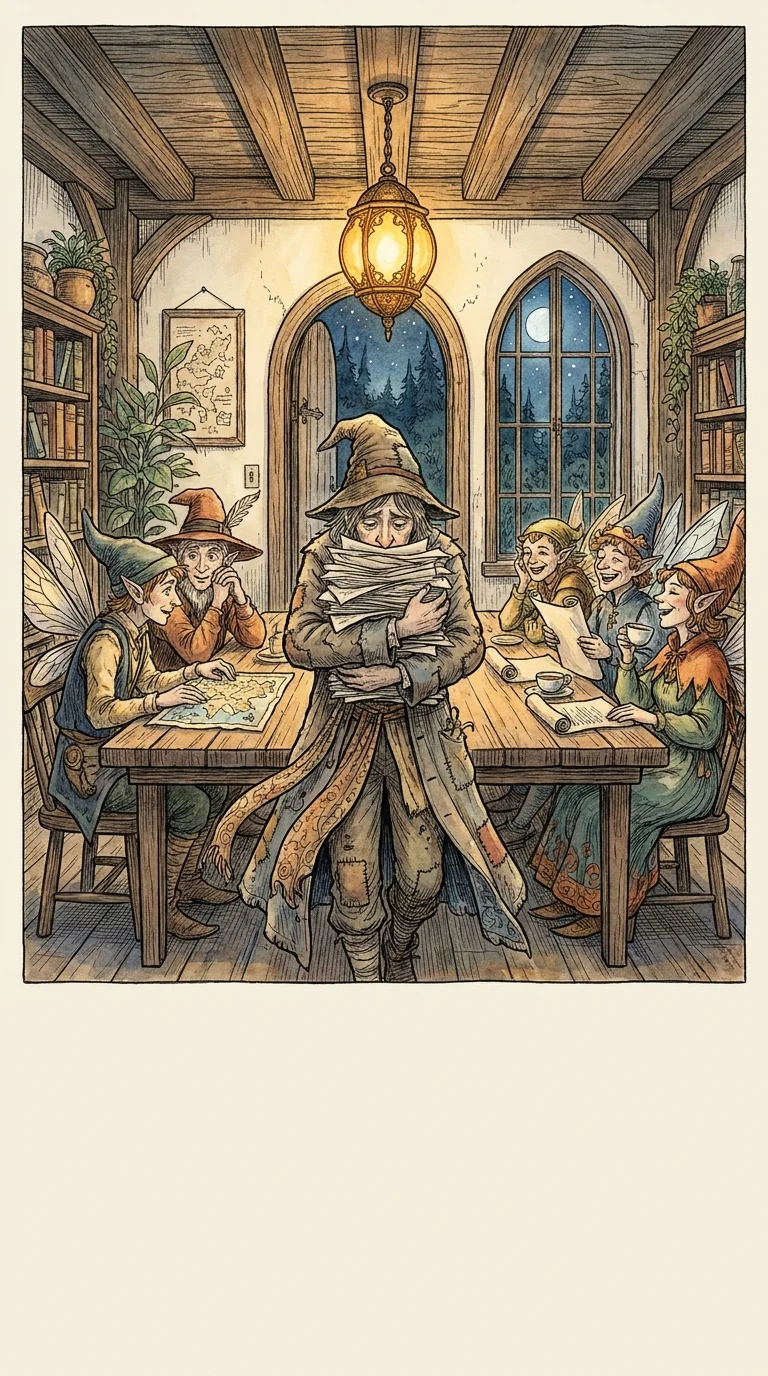
Maya walked into the conference room with her arms crossed and her notes clutched to her chest. She had great ideas. Nobody asked for them. She wondered why.
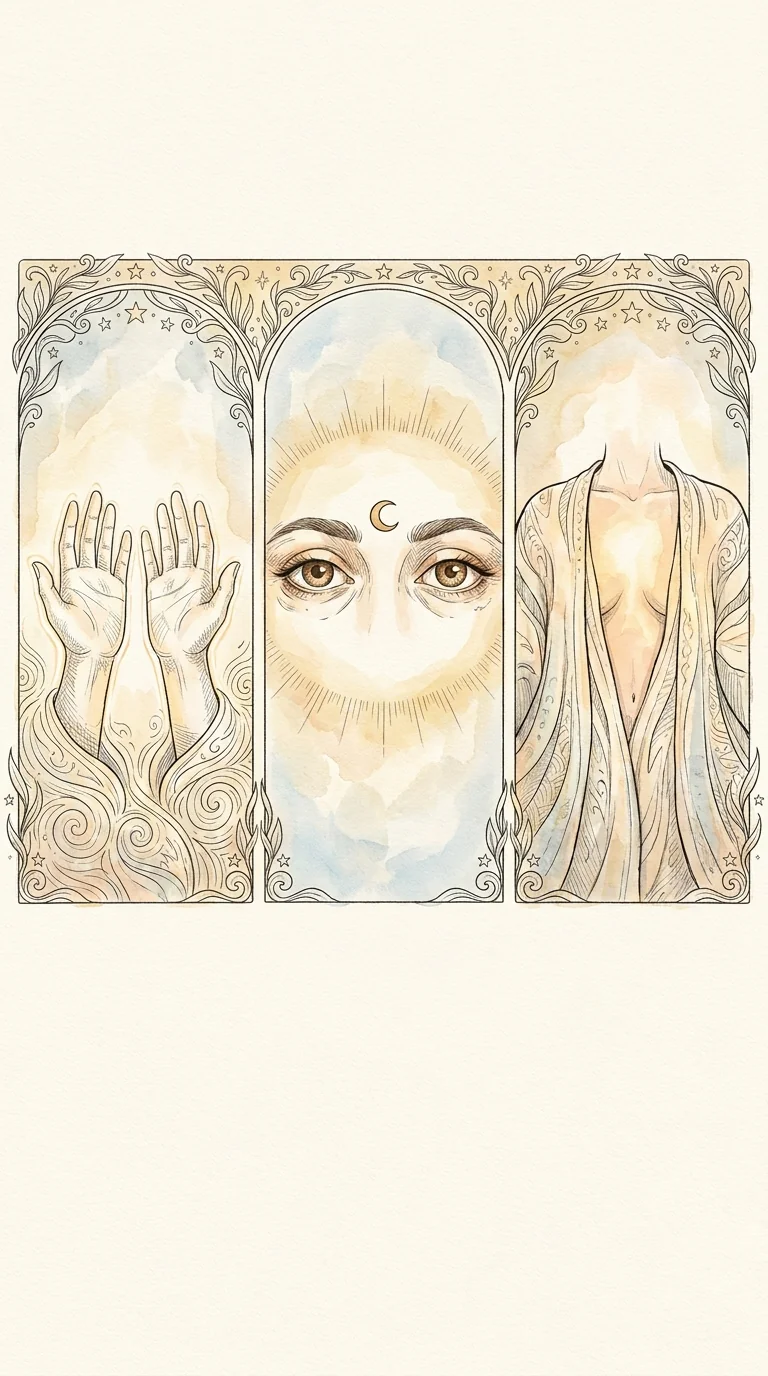
The Triple Threat is the simplest first-impression system ever discovered: show your hands, make eye contact, and open your posture. Do all three at once, in the first ten seconds.
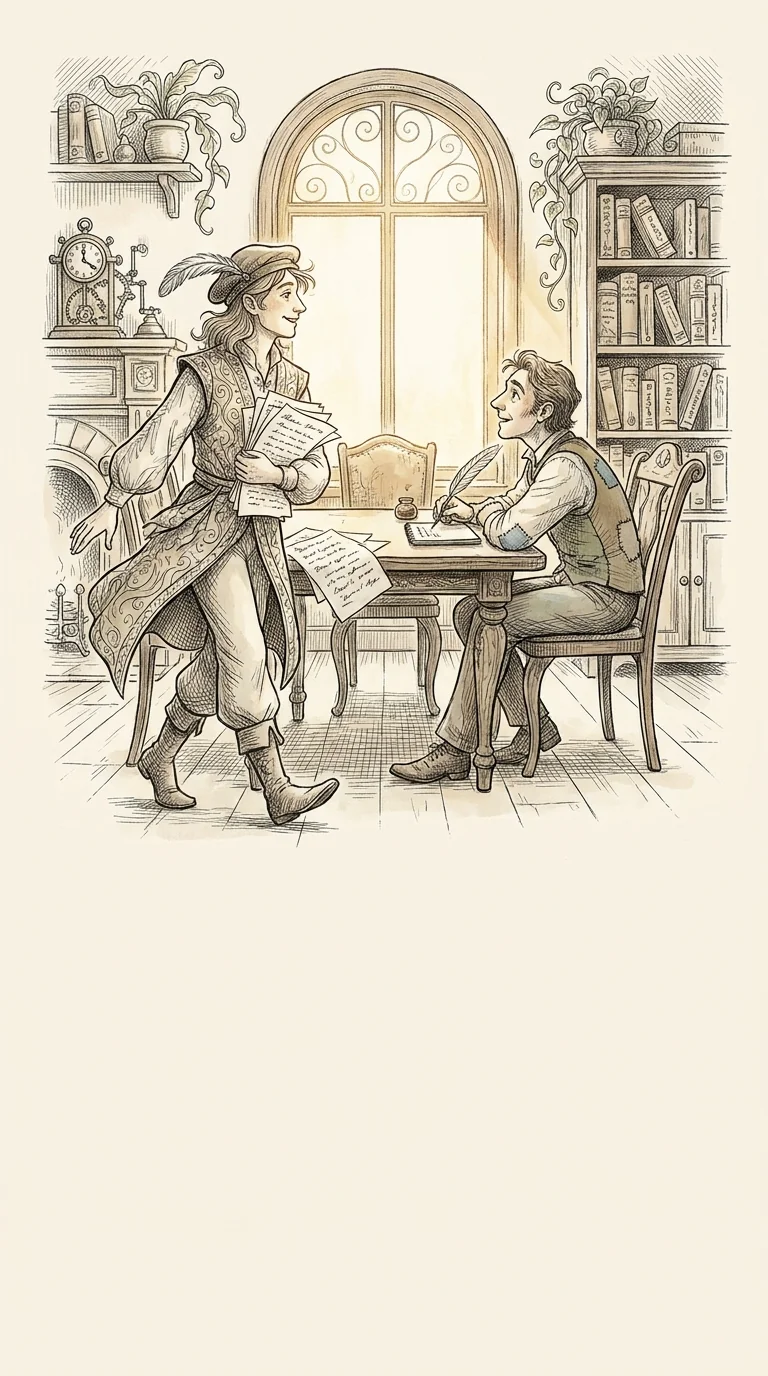
The next day, Maya tried it. She walked in, let her notes hang at her side, looked at each person as she entered, and stood tall. Two people smiled before she spoke. One asked what she was working on.
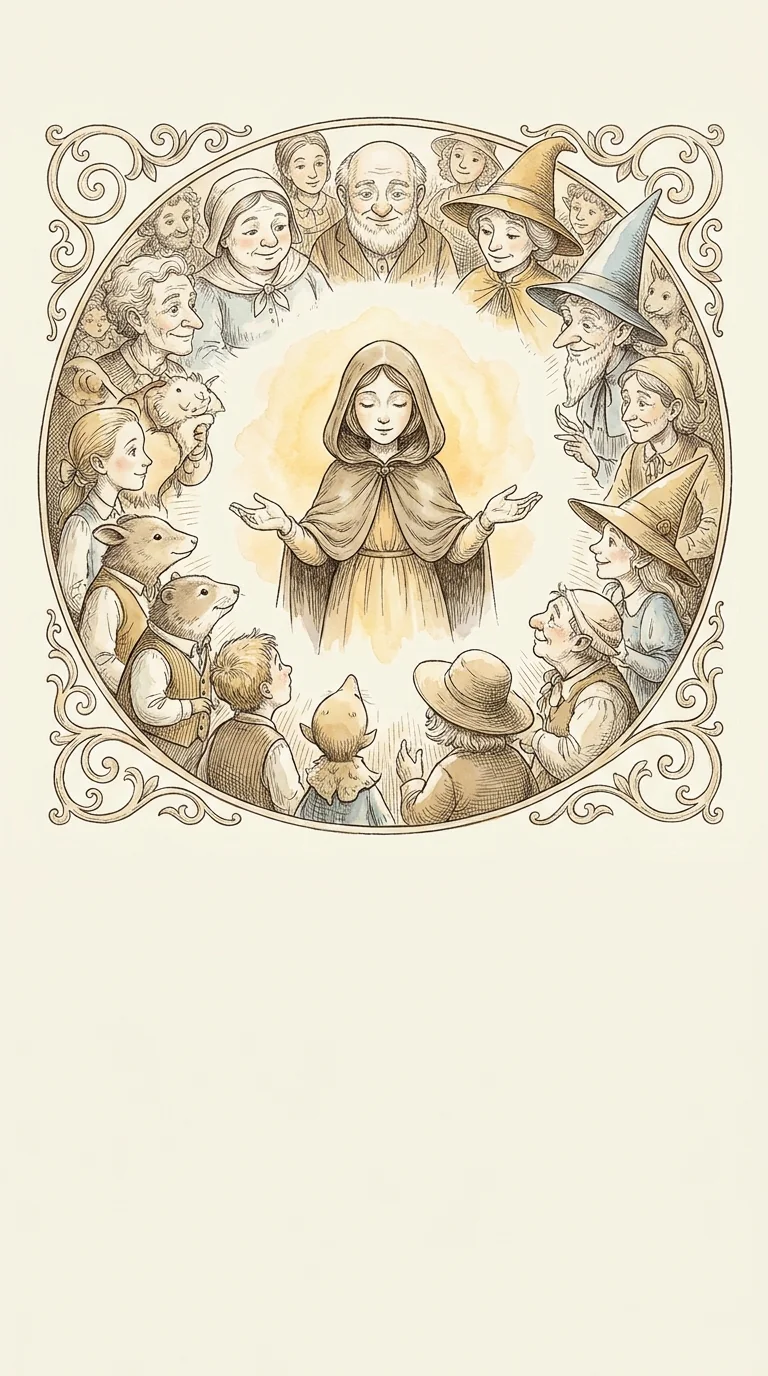
Hands visible means: nothing hidden. Eye contact means: I see you. Open posture means: I am not a threat. Together, they answer the oldest question any group asks about a newcomer — can we trust this person?
You don't need charisma as a personality trait. You need three physical moves, practiced until they're automatic. That's where this course starts.
Part 2: Your First Rep
+10 XP on completion
The Triple Threat only works when it's practiced, not just understood. Today you're going to do it once, for real, in an actual interaction.
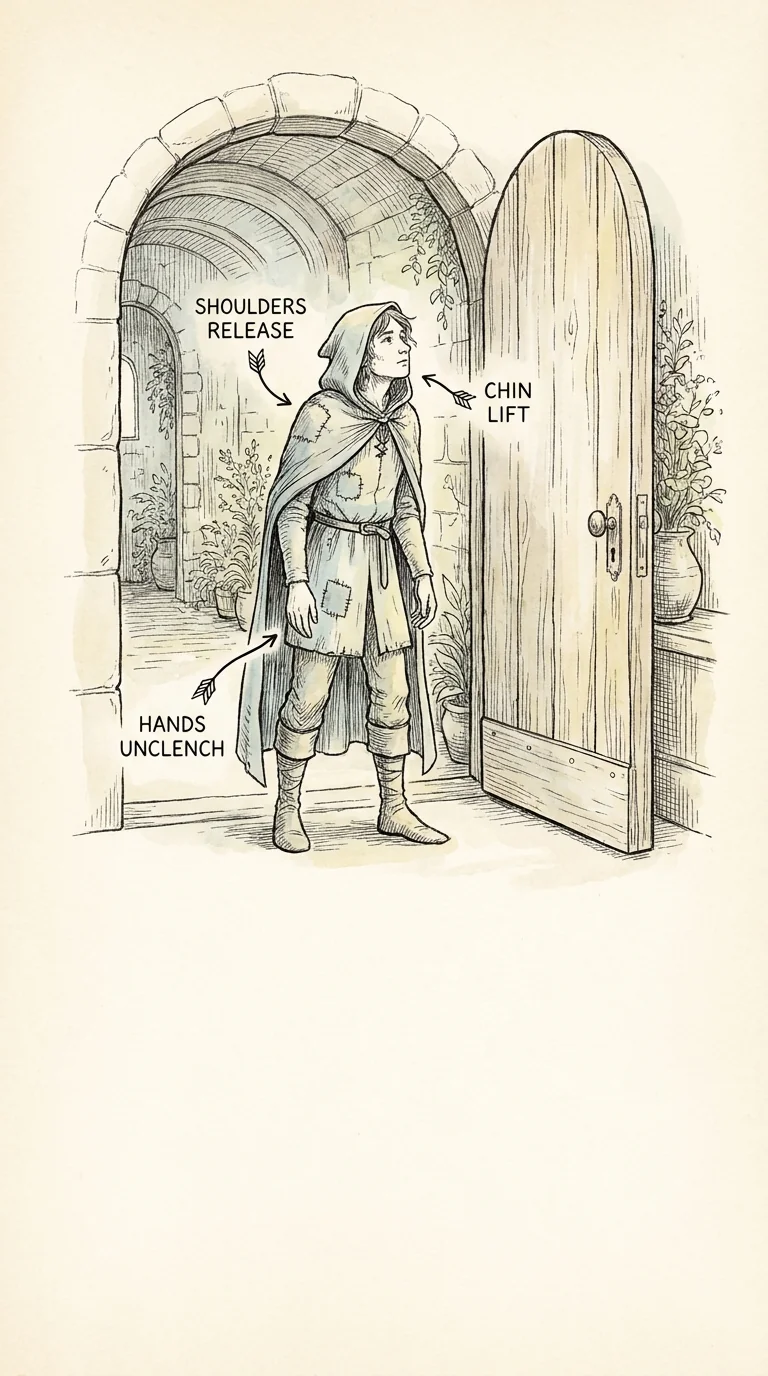
Before your next conversation — a meeting, a call, a coffee run — run this 10-second check: Drop your shoulders away from your ears. Let your hands hang visible. Look at the person's eye color when you first make contact.
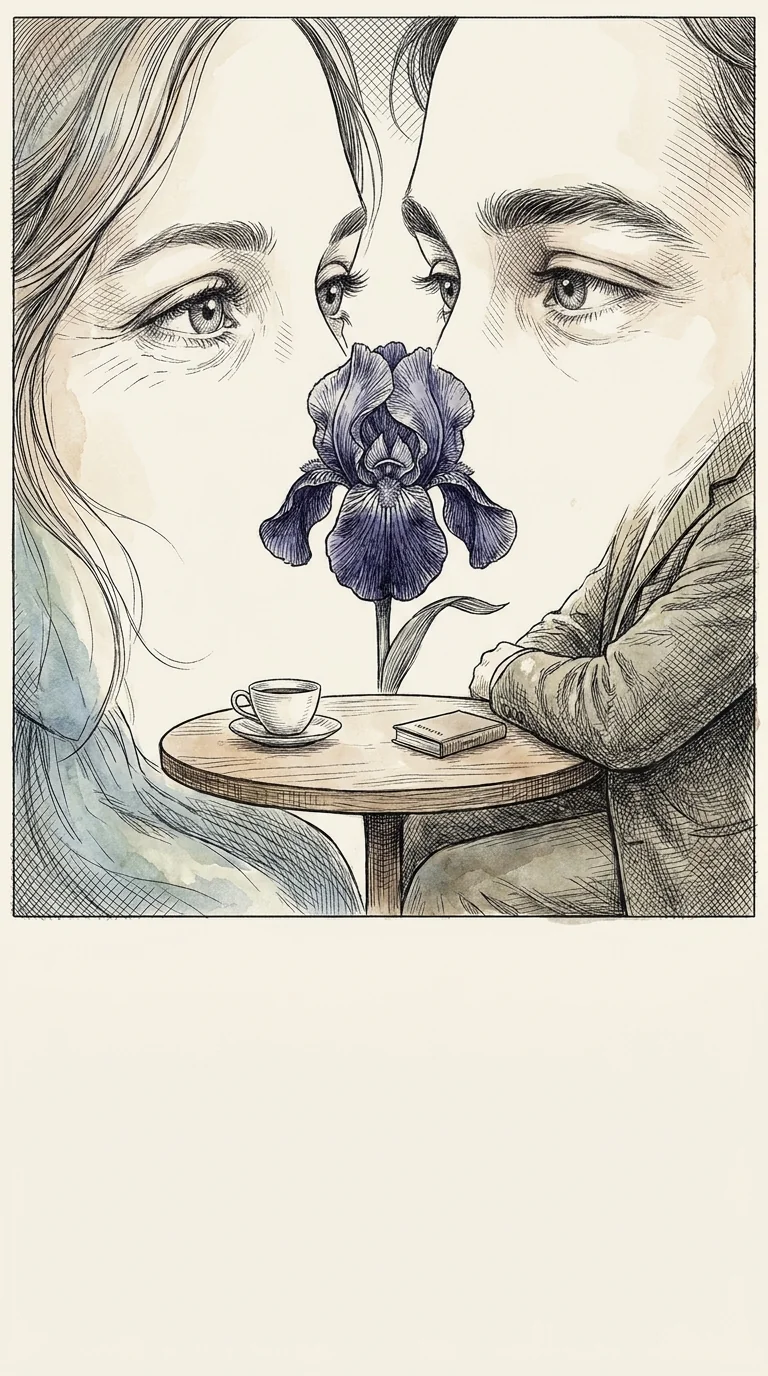
The eye-color trick is specific: try to notice the actual color of the other person's eyes. It forces the right duration of eye contact — not a stare, not a glance. Just connection.
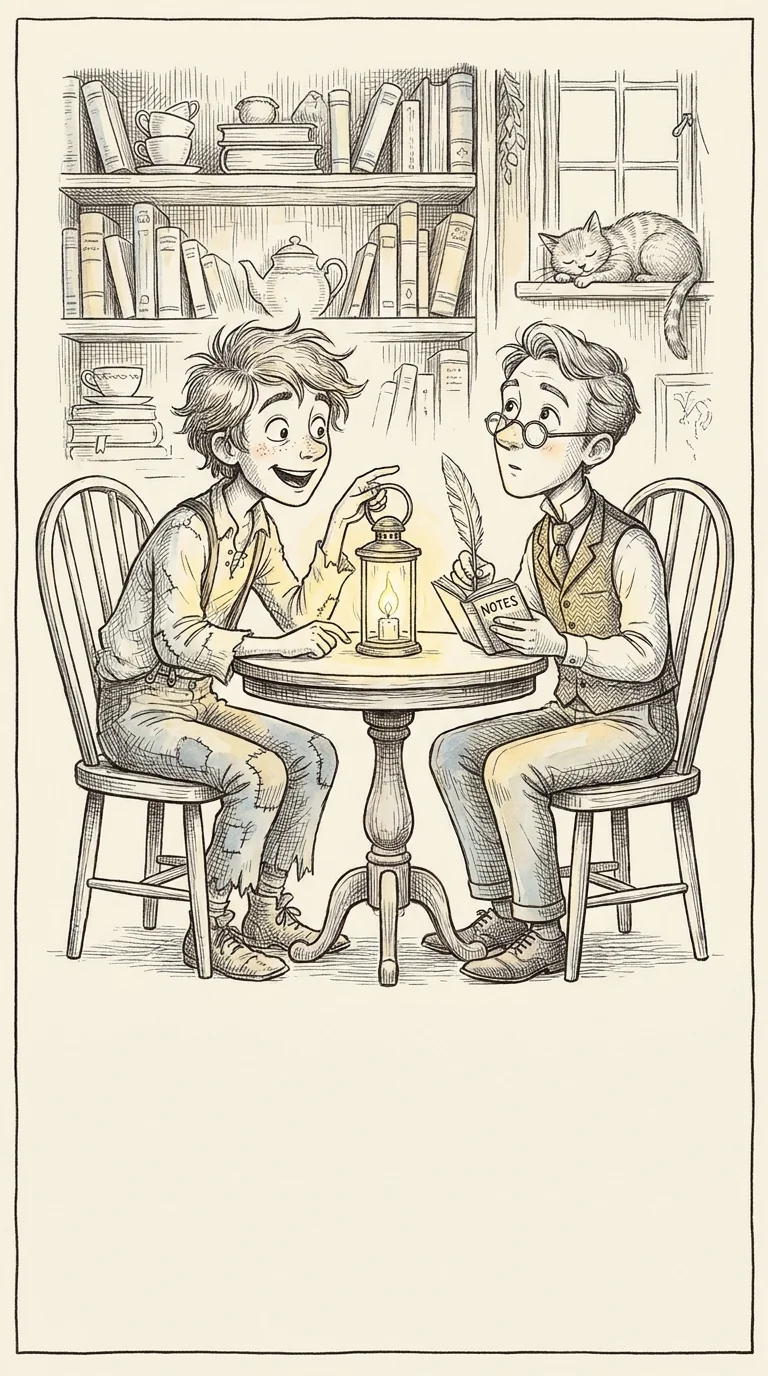
After it's done, notice one thing: did the other person's body language open up or stay closed? This is your feedback loop. You're not performing — you're observing the effect of your signal.
Don't try to do it perfectly. Do it noticeably — even to yourself. One rep of a real cue beats a hundred reps of imagining how you'd do it.
Every expert in every room got there by doing the basic move thousands of times. You just did it once. That's how it starts.