Hands Are Trust
For most of human history, showing your hands meant one thing: I'm not holding a weapon. That ancient signal is still running in every room you walk into.
Part 1: Hands Are Trust
+5 XP on completion
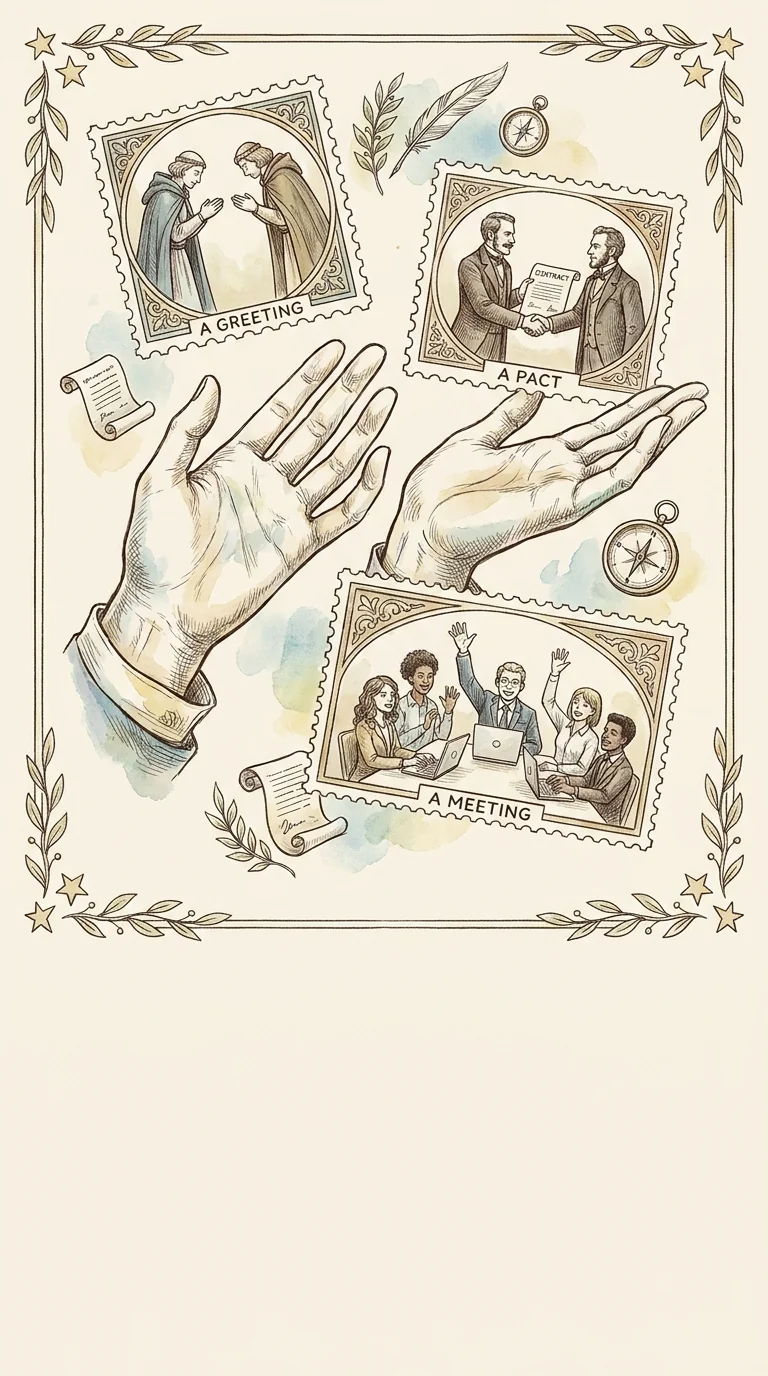
For most of human history, showing your hands meant one thing: I'm not holding a weapon. That ancient signal is still running in every room you walk into.
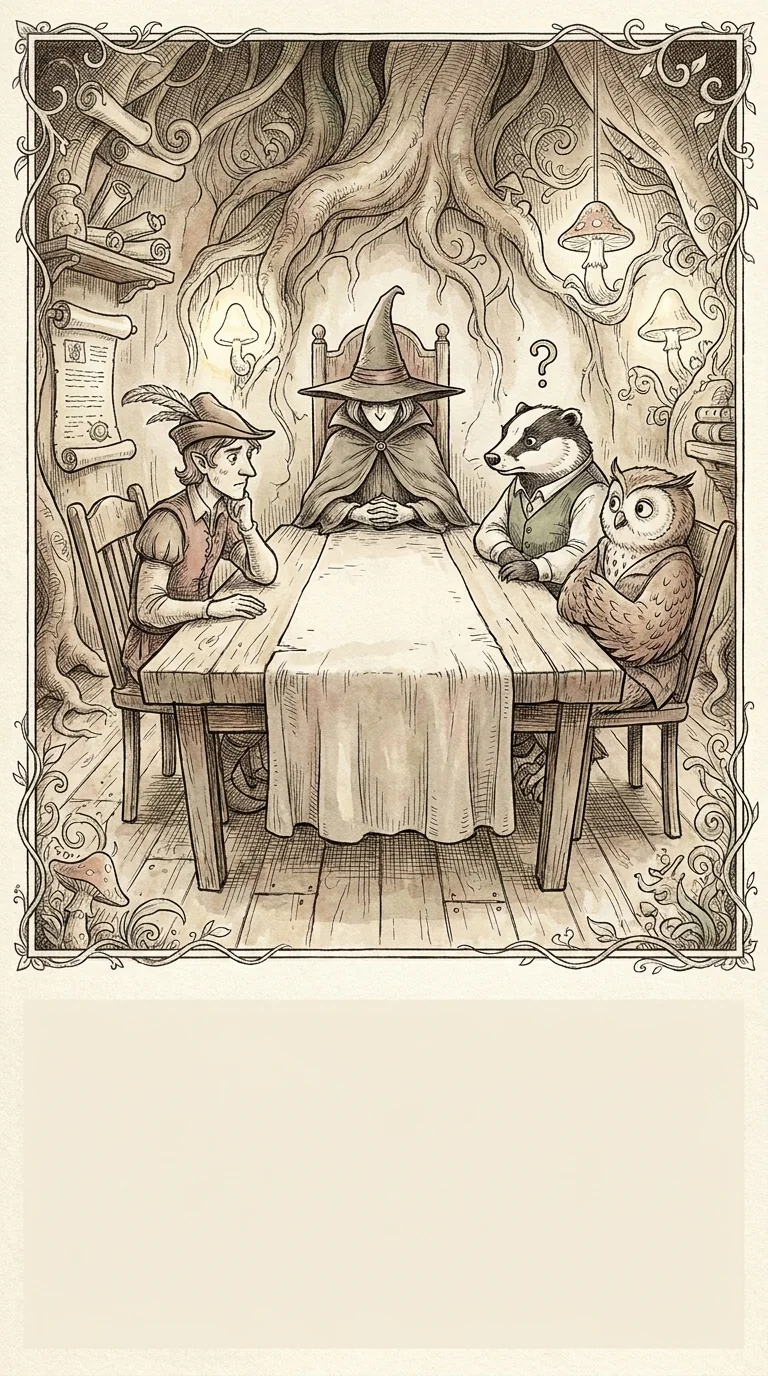
When you hide your hands — in your pockets, under the table, pressed behind your back — people feel it. They can't say why, but trust drops. Something feels off.
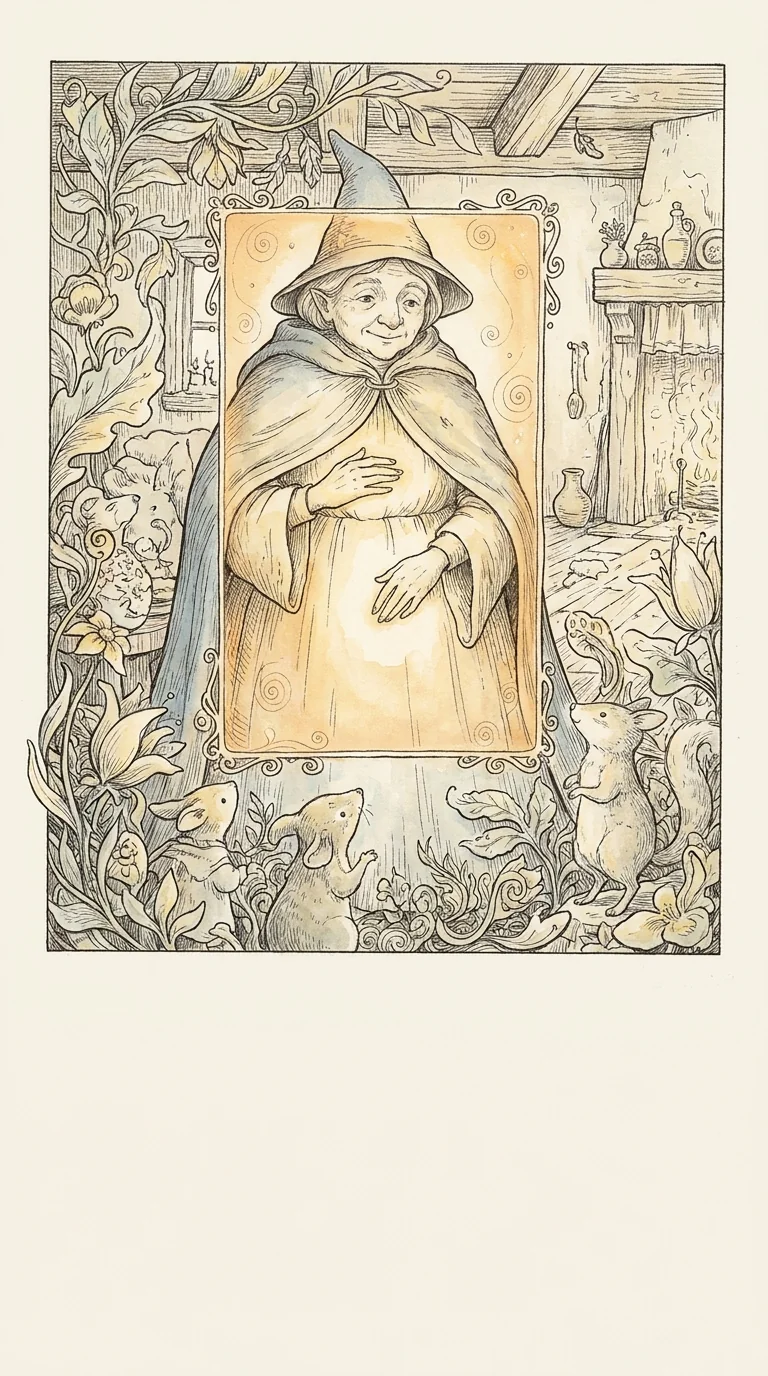
The fix is simple but easy to forget under pressure: keep your hands in what researchers call the 'strike zone' — chin to waist — where they're visible and can gesture naturally.
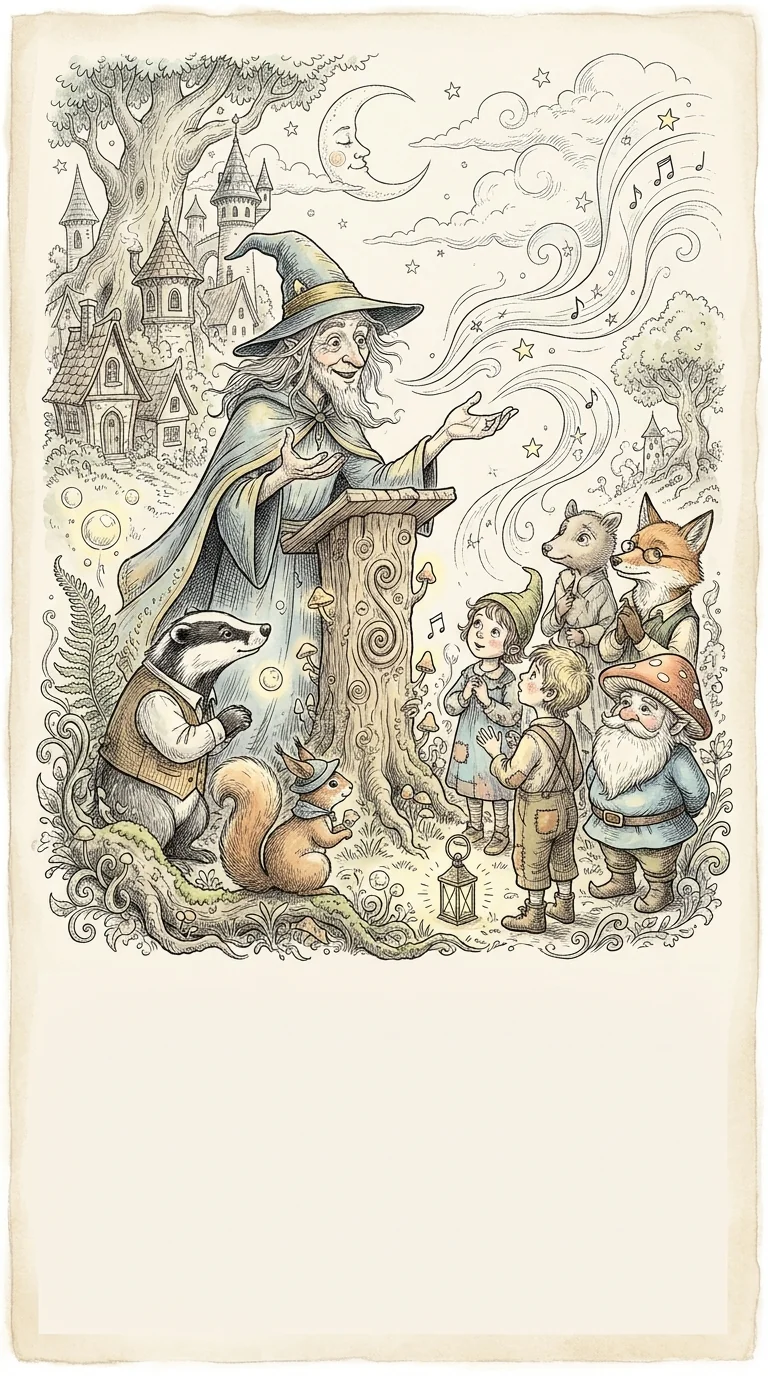
Open palms say: I'm sharing something, not taking something. Watch powerful communicators — they face their palms up or forward when making key points, never pointing a finger at the listener.
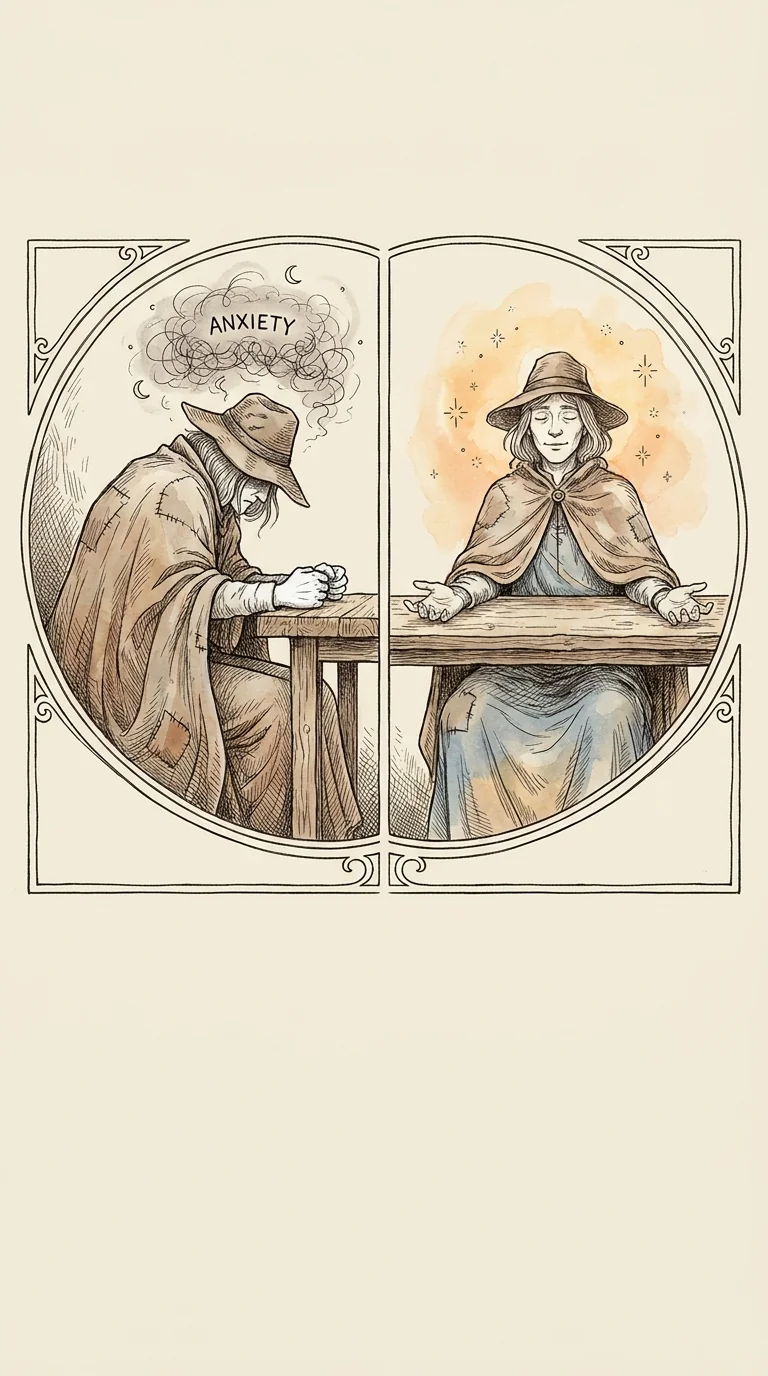
Fidgeting, face-touching, and white-knuckling signal anxiety even when you feel calm. The hands always tell the truth before the words catch up.
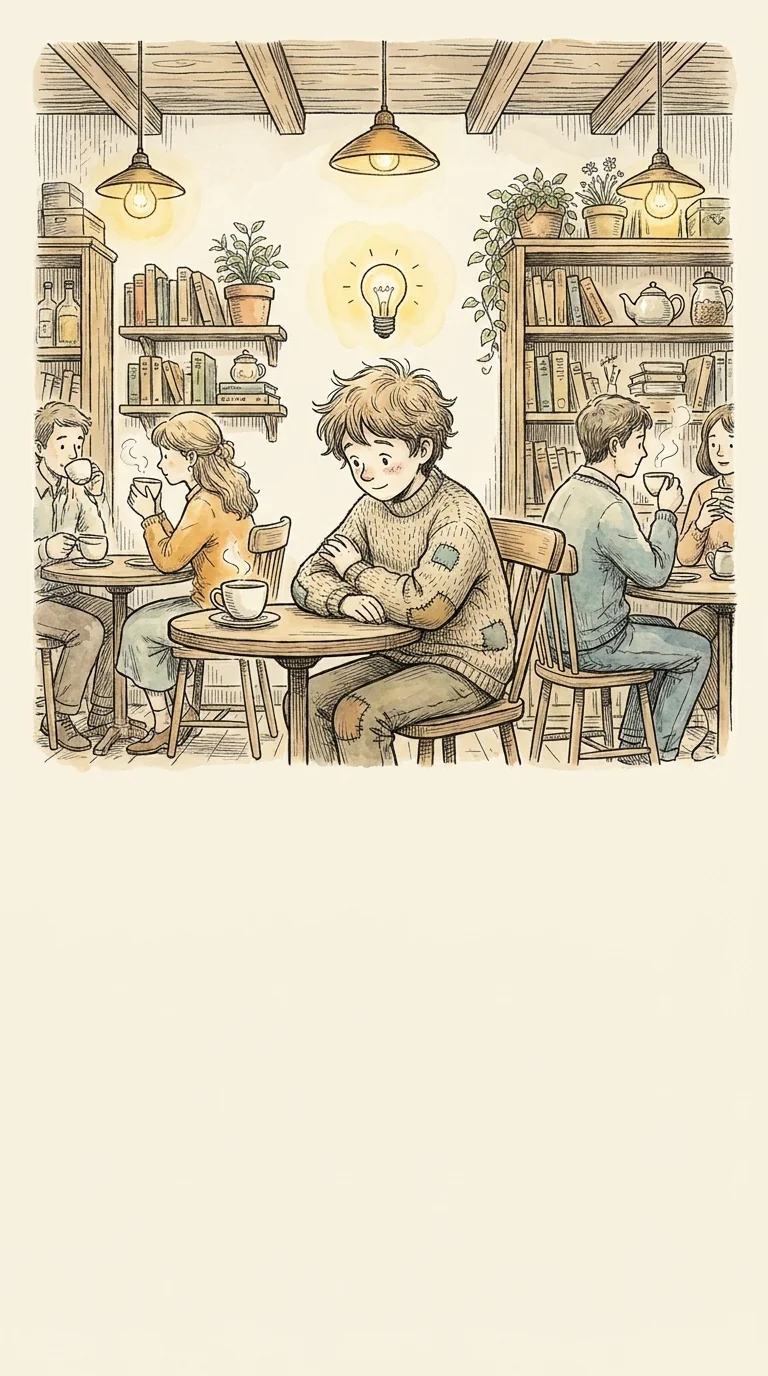
Today's mission: catch yourself hiding your hands once. Just notice it — in a meeting, on a call, at lunch. Awareness always comes before change.
Part 2: Gestures That Work
+10 XP on completion
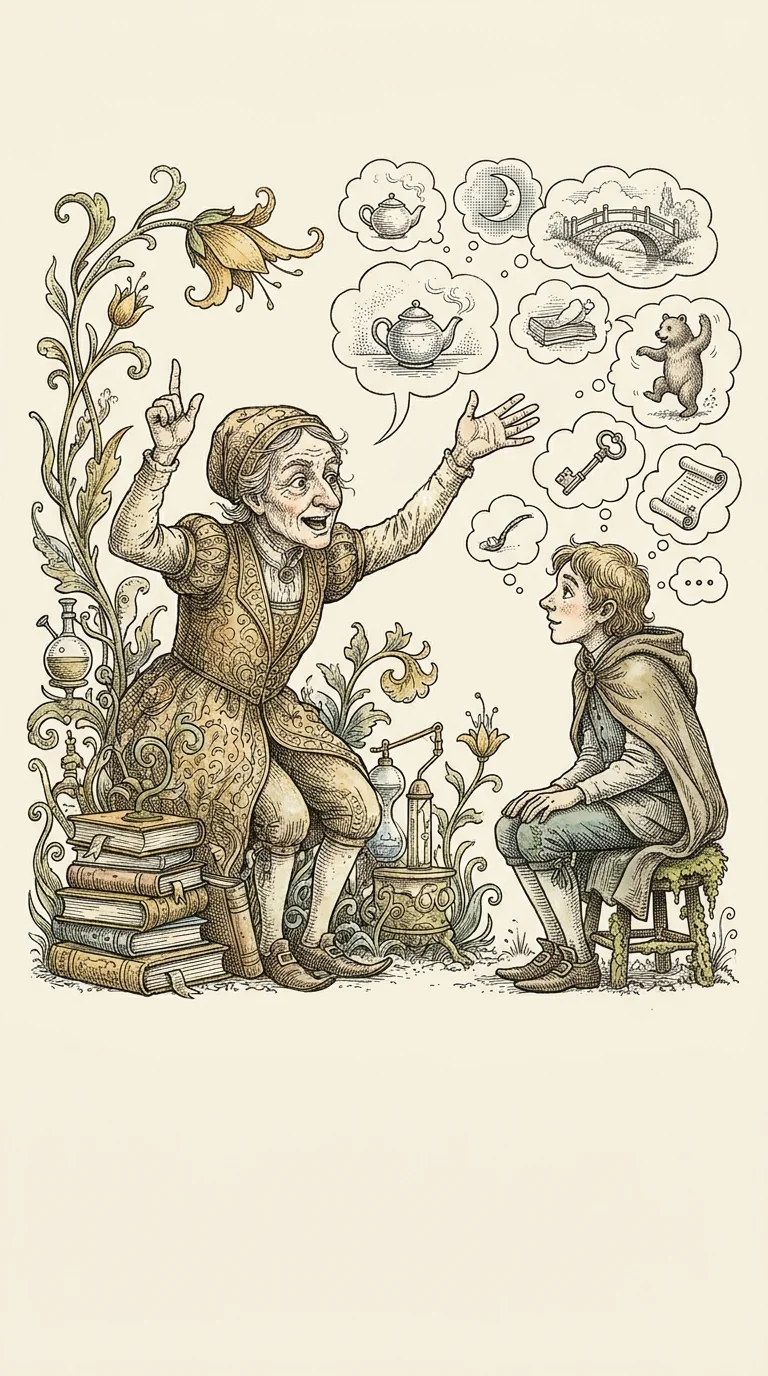
Gestures are not decoration. Research shows that when speakers use deliberate hand gestures, listeners remember more of what was said. Your hands are a second voice.
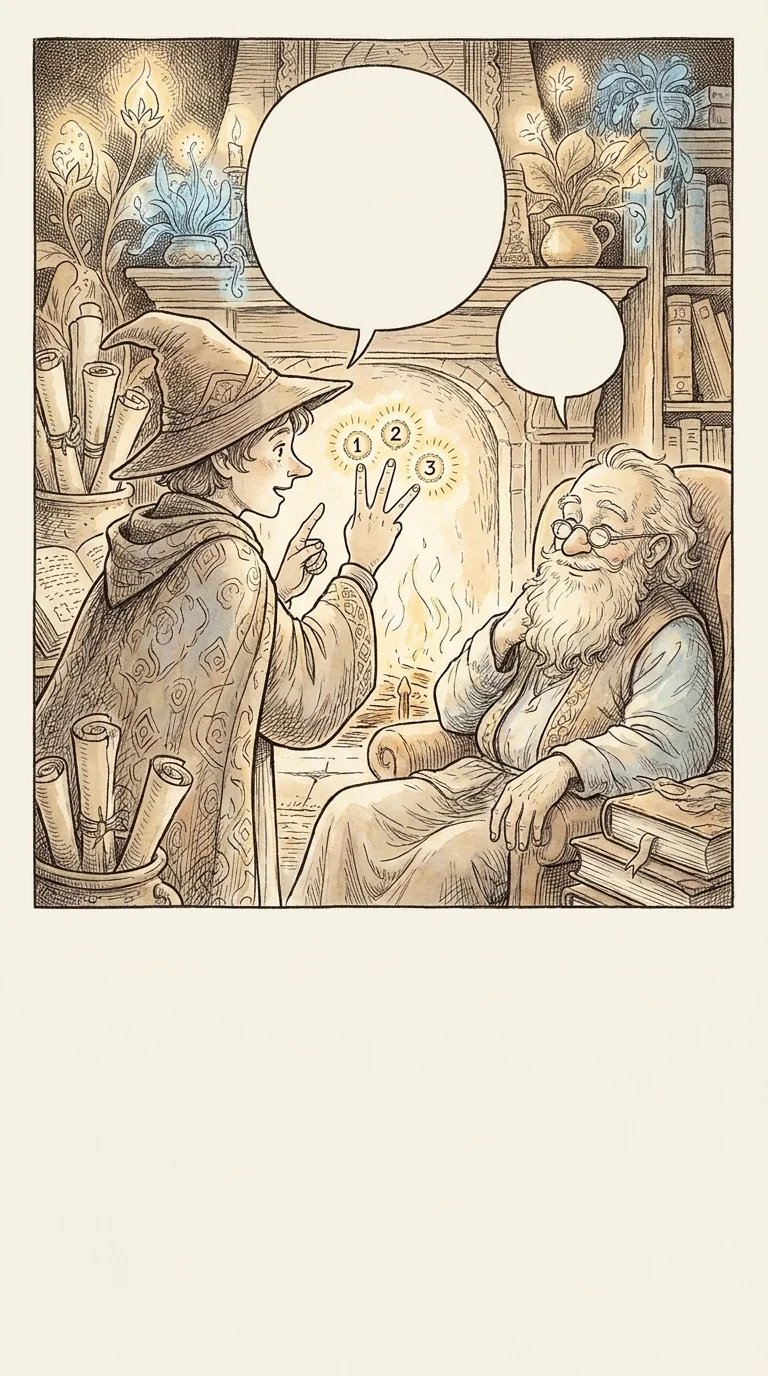
The most useful gesture you own is the numerical gesture. When you say 'there are three reasons,' show three fingers. It gives the listener's brain a structure to hang the words on.
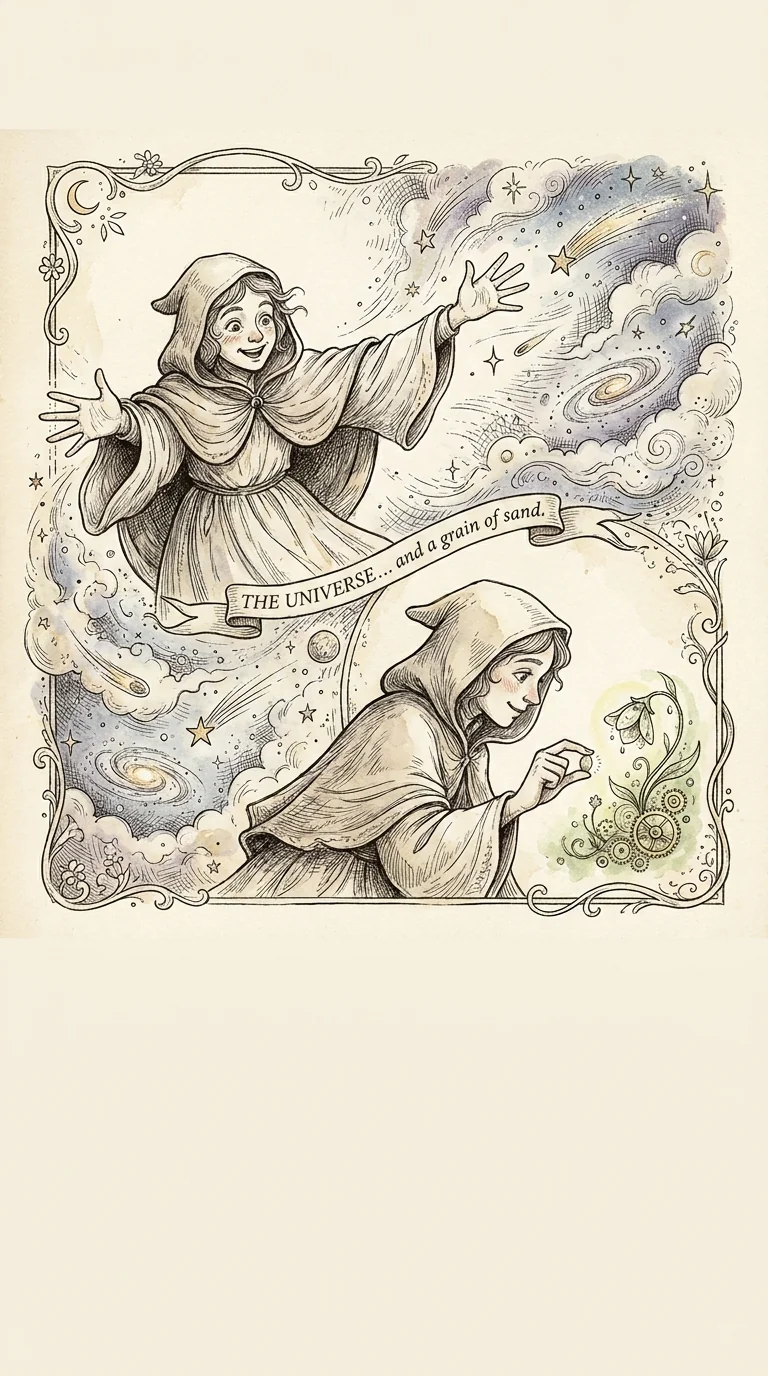
Use size gestures to make scale visible: hands wide apart for something large, close together for something small or precise. Your listener's brain processes the visual before the word arrives.
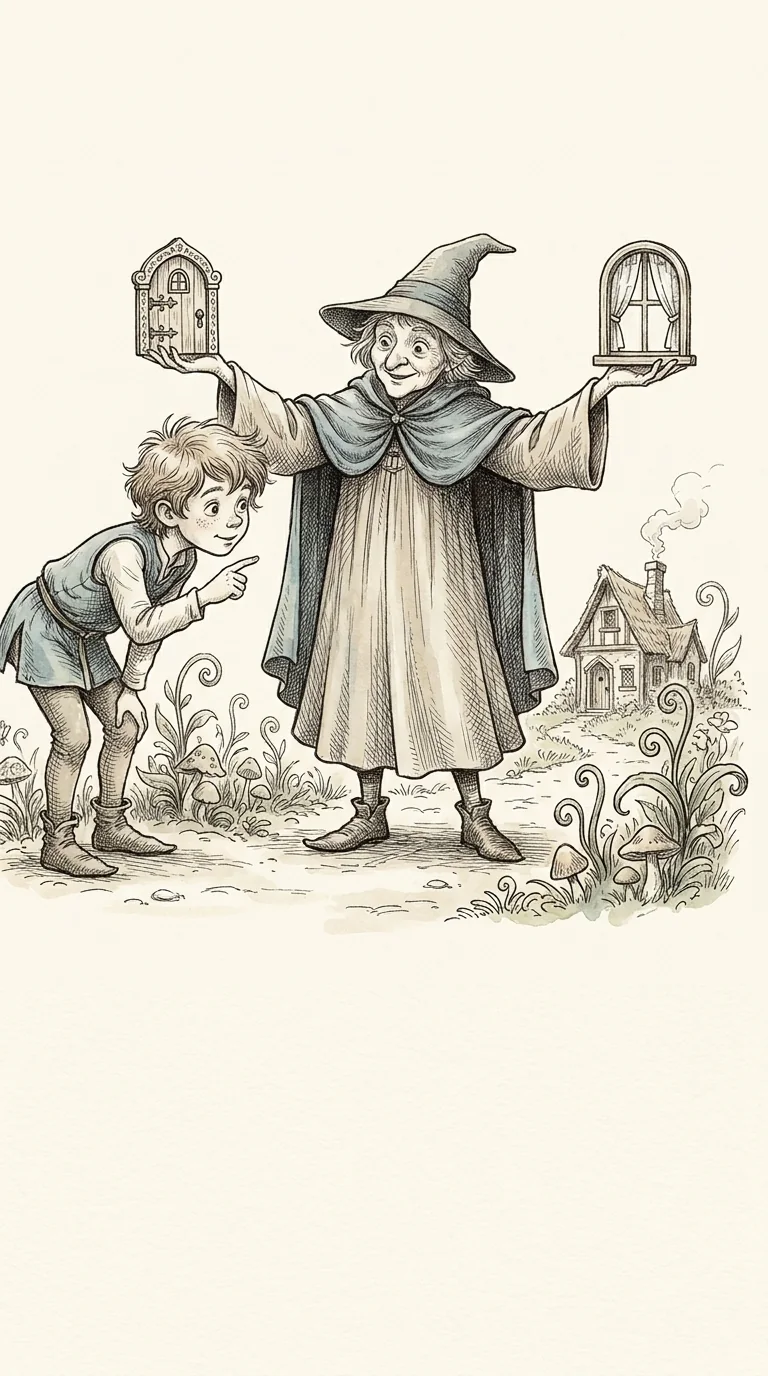
Use this-and-that gestures to separate options spatially. 'Option A' — gesture left. 'Option B' — gesture right. You've just made an abstract comparison visible in physical space.
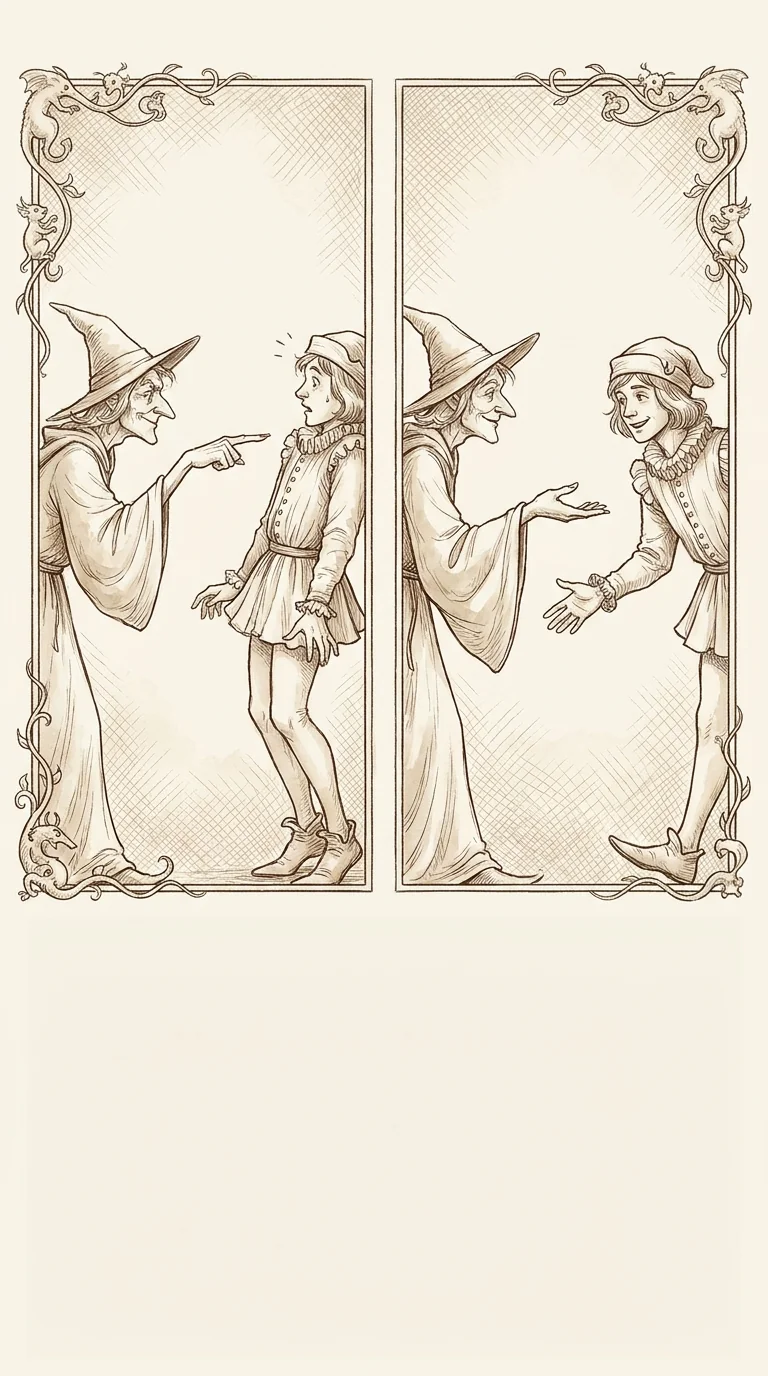
Avoid pointing at people — even when you mean to include them, a pointing finger reads as accusation. Use an open-palm point instead: gesture toward them with your whole hand, palm facing up.
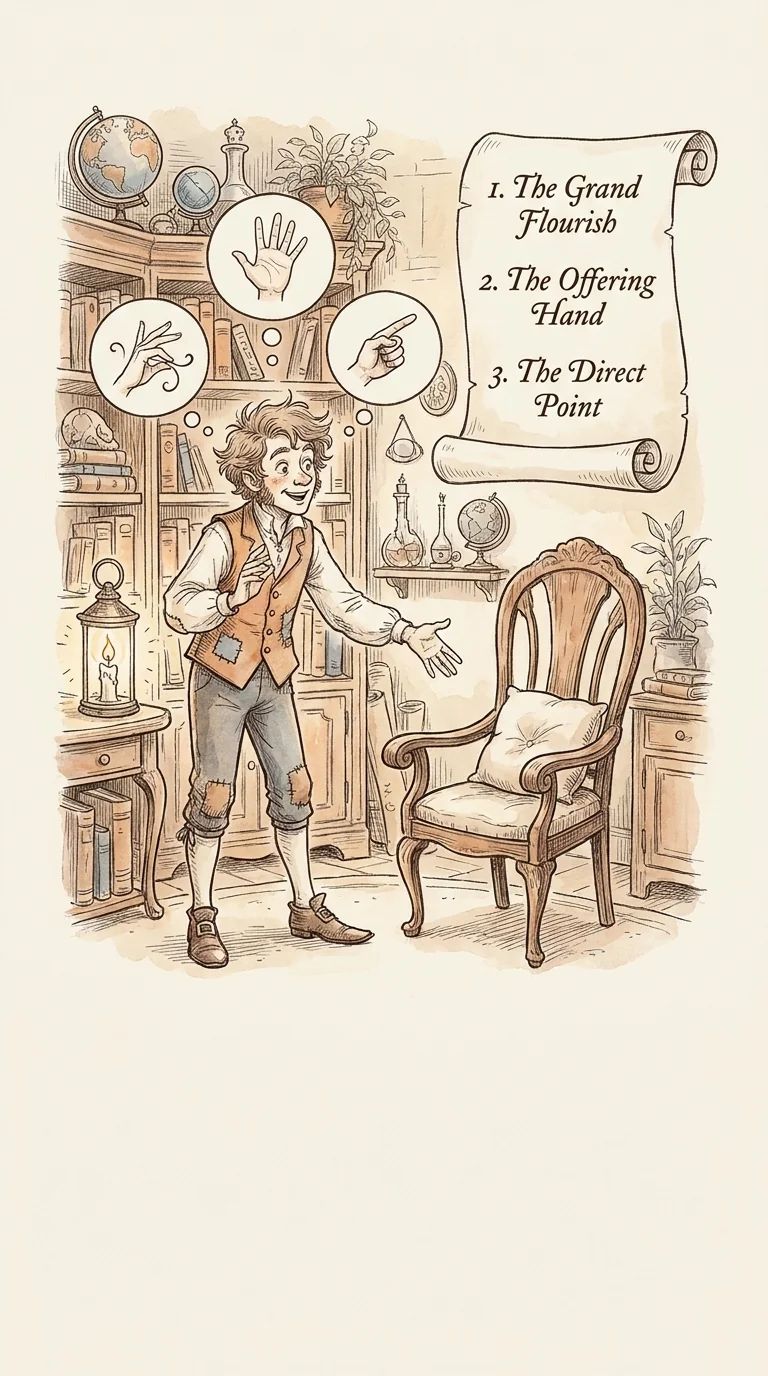
Today's drill: explain three things using gestures only — no explanation needed, just practice. Number them, size them, separate them. Your hands are learning a language.