Eye Contact — The Connection That Costs Nothing
Eye contact is one of the fastest ways to build trust with another person — and one of the easiest to get wrong in both directions. Too little reads as evasive. Too much reads as aggressive.
Part 1: Eye Contact — The Connection That Costs Nothing
+5 XP on completion
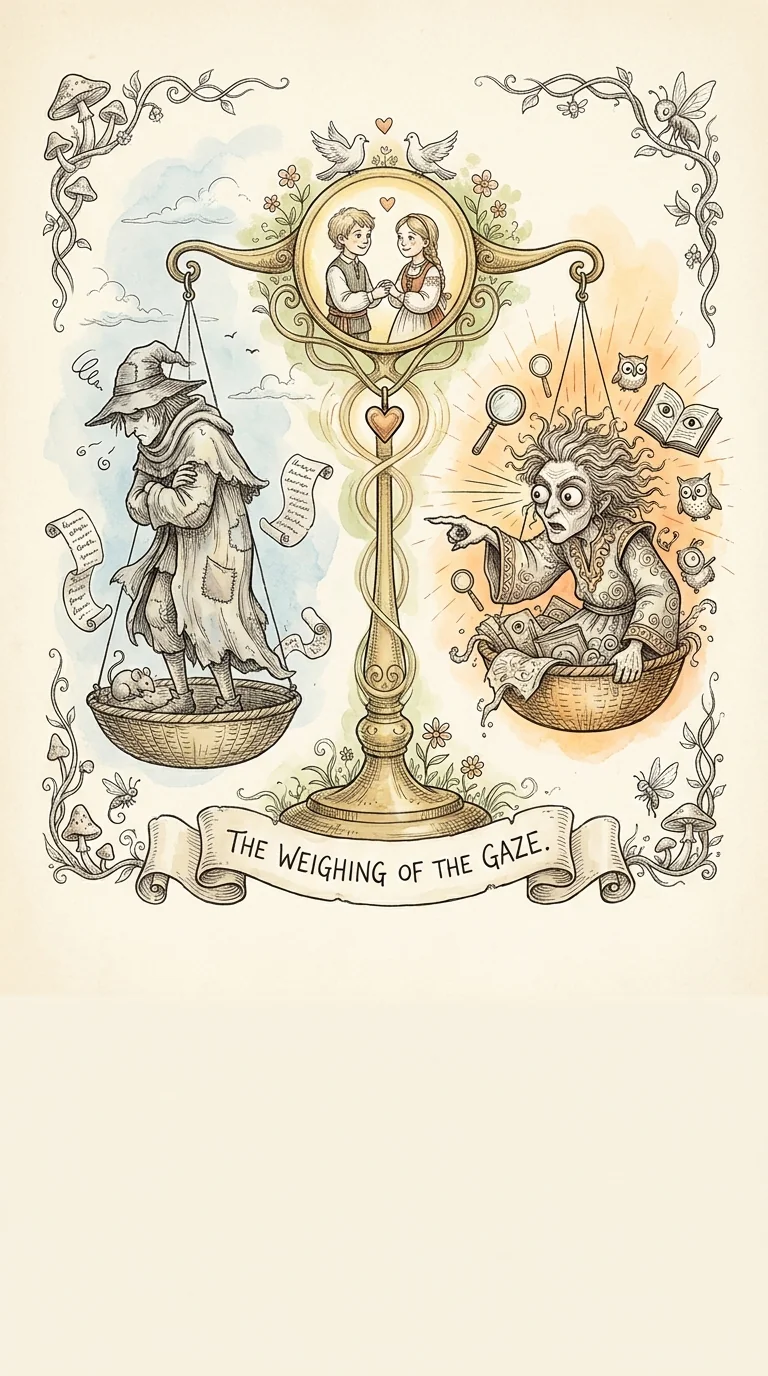
Eye contact is one of the fastest ways to build trust with another person — and one of the easiest to get wrong in both directions. Too little reads as evasive. Too much reads as aggressive.

Research suggests roughly 50% eye contact while speaking and 70% while listening. You don't need to count — just shift to more eye contact when the other person is talking, less when you're thinking.

Looking away while thinking is fine — that's how the brain retrieves information. The mistake is looking away at the end of a key sentence. That's where eye contact matters most.

The triangle method for natural eye contact: move your focus among the left eye, right eye, and mouth in a soft triangle. It reads as engaged presence without the intensity of a fixed stare.
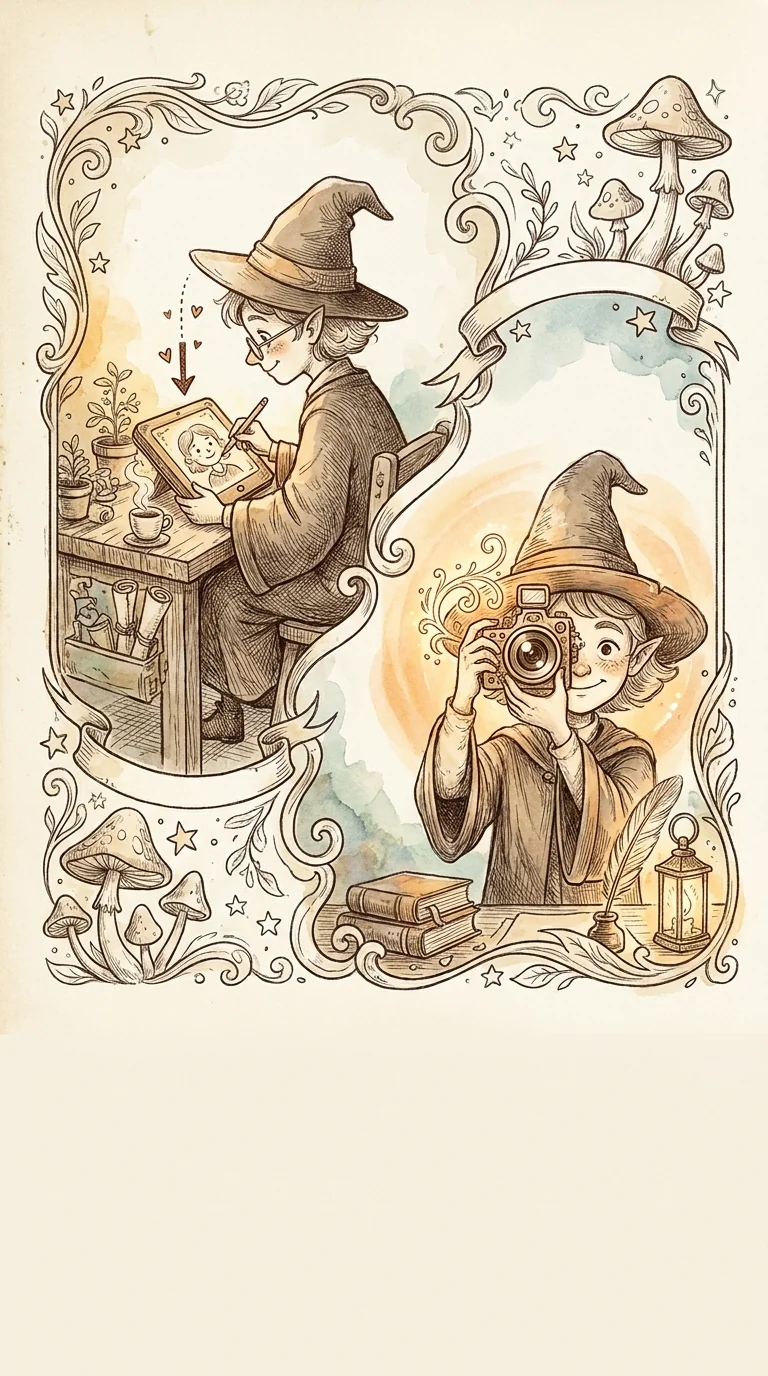
On video calls, the problem is the screen versus the camera. You look at the person's face — which is on your screen — but you appear to be looking down to them. Looking at the camera lens creates eye contact for the viewer.

Eye contact is not dominance and not submission — it's simply acknowledgment. It says: I see you. You exist. What you're saying matters. That's all. And it's enough.
Part 2: Eye Contact Under Pressure
+10 XP on completion

Eye contact is easy when you're comfortable. The test is whether it holds when you're nervous, disagreeing, delivering bad news, or asking for something important.
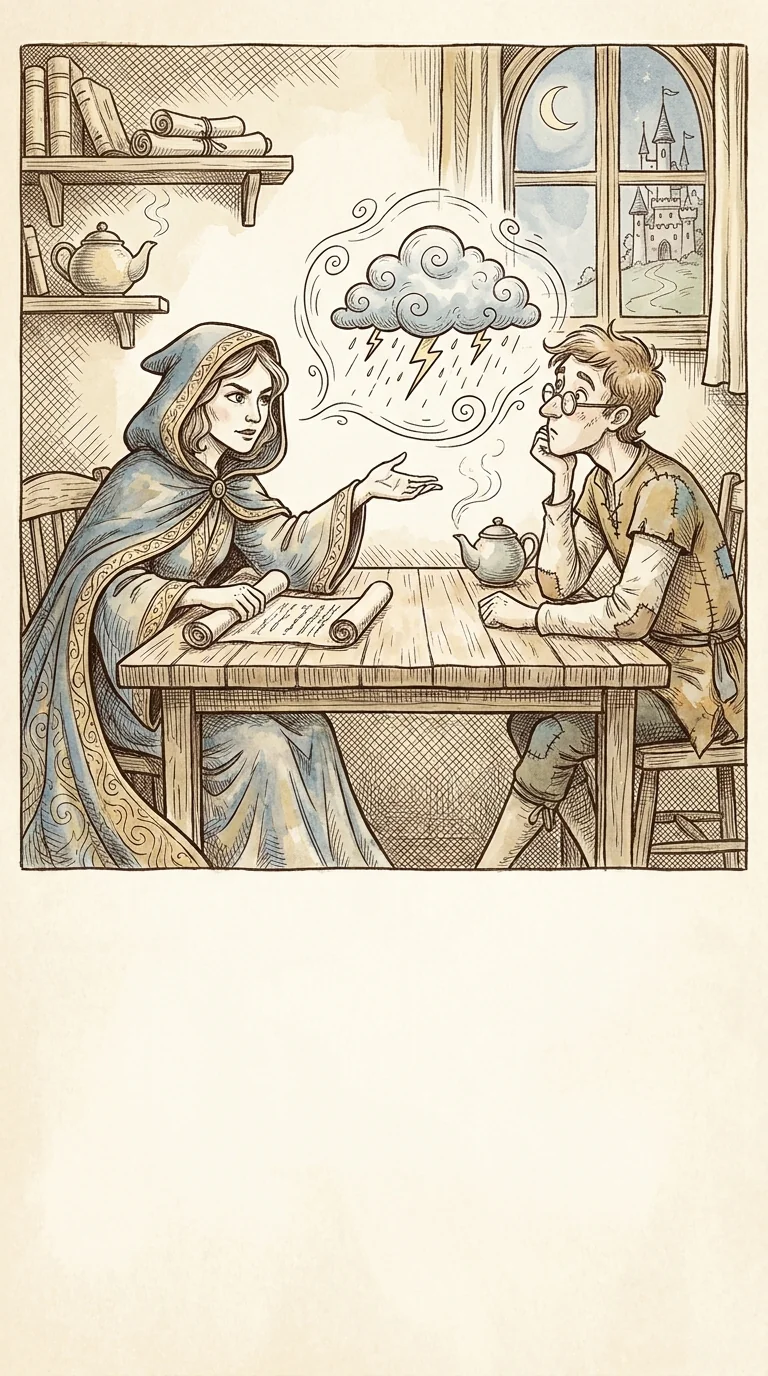
When you look away right before saying something difficult, you signal uncertainty even if your words are confident. Practice holding eye contact exactly when you most want to break it.

In a group, spread your eye contact deliberately — including the quieter people at the edges. The person you make feel seen becomes your ally before you've asked for anything.
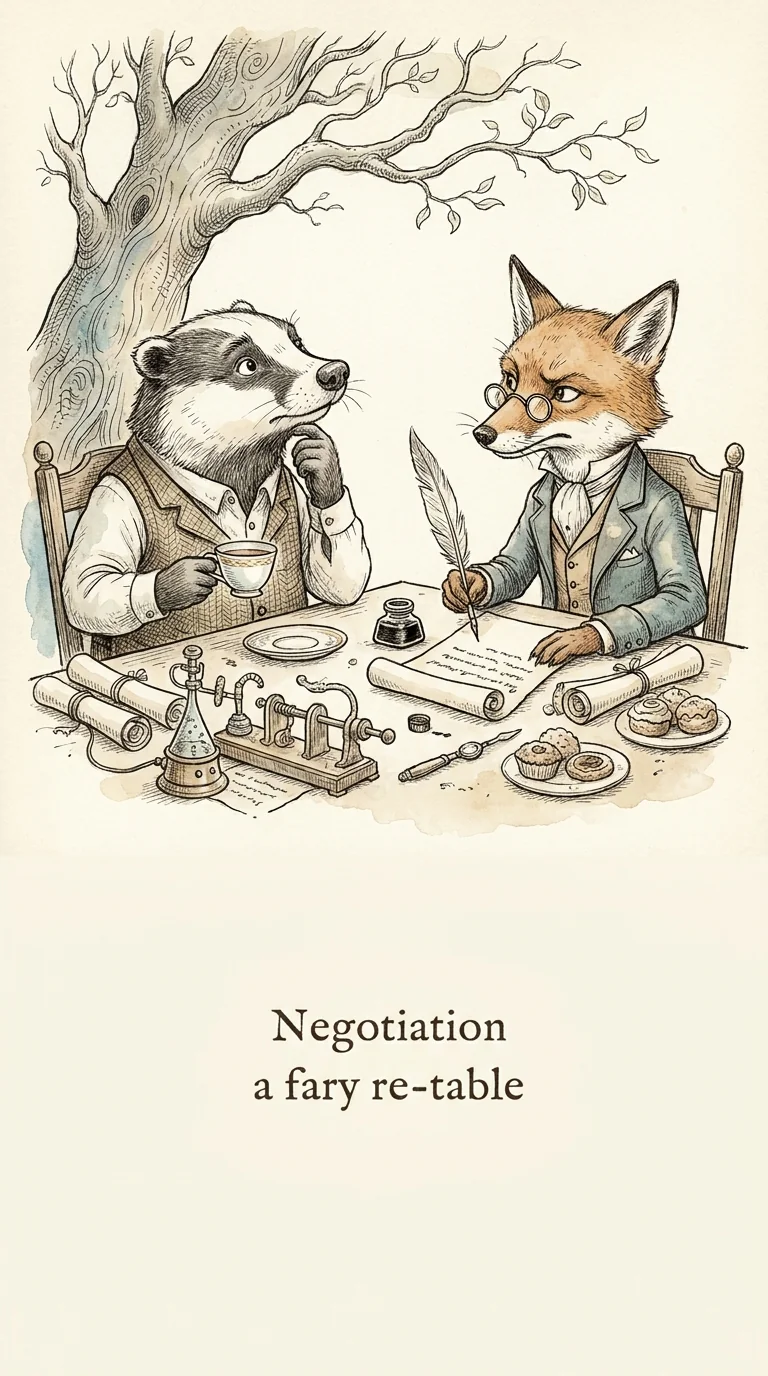
In negotiation, deliberate gaze aversion is a tool. If an offer doesn't land for you, let your eyes drift slightly — not in rejection, but in honest reflection. It signals the offer hasn't closed.
Cultural note: eye contact norms vary. In some contexts sustained eye contact signals respect; in others it signals aggression. Read the room, adjust as needed — the goal is connection, not a rule.

Today's rep: in your next conversation, make deliberate eye contact at the end of one important sentence. Not the whole conversation — just that one moment. Notice what happens in the other person.