The Gesture Box
You've seen gesturers who look frantic — arms wide, elbows flying, energy spraying in every direction. And you've seen the ones who look captivating. The difference is the box.
Part 1: The Gesture Box
+5 XP on completion
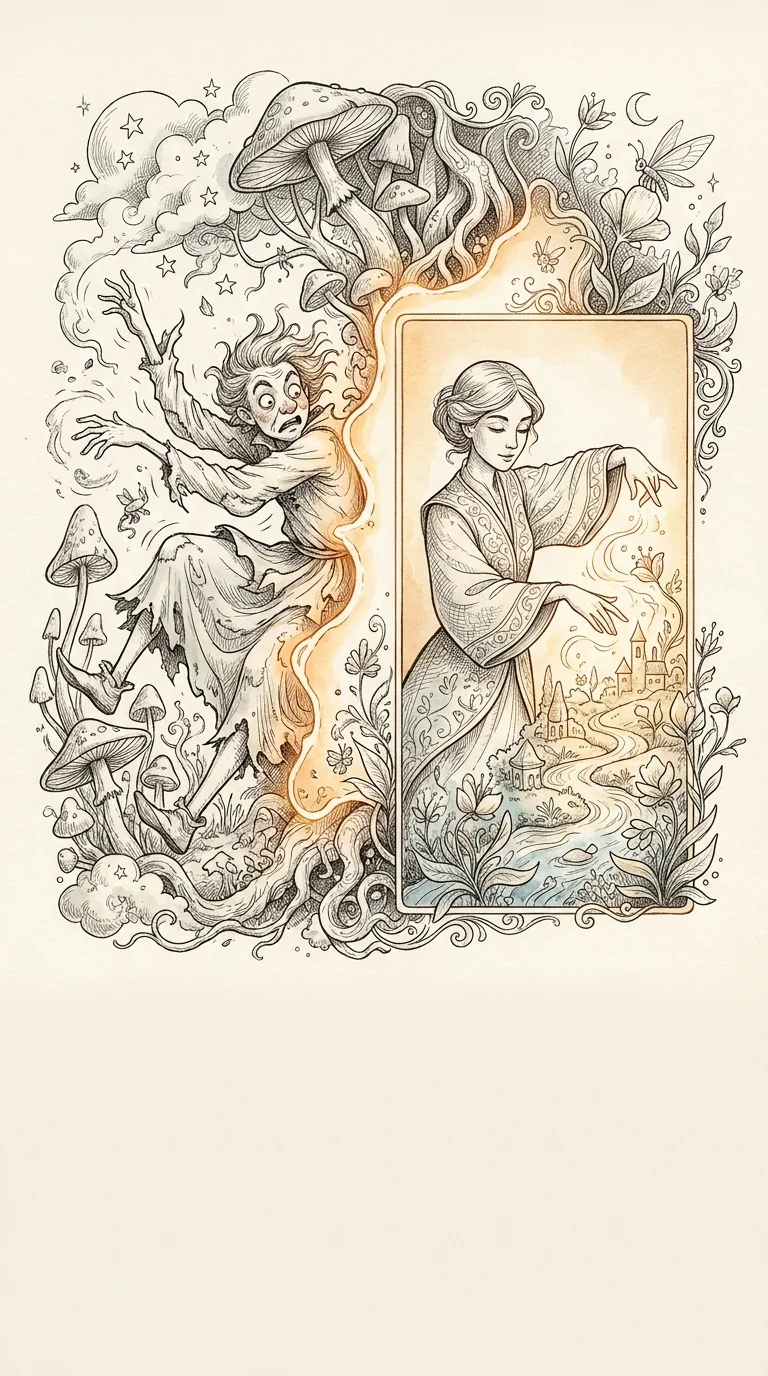
You've seen gesturers who look frantic — arms wide, elbows flying, energy spraying in every direction. And you've seen the ones who look captivating. The difference is the box.
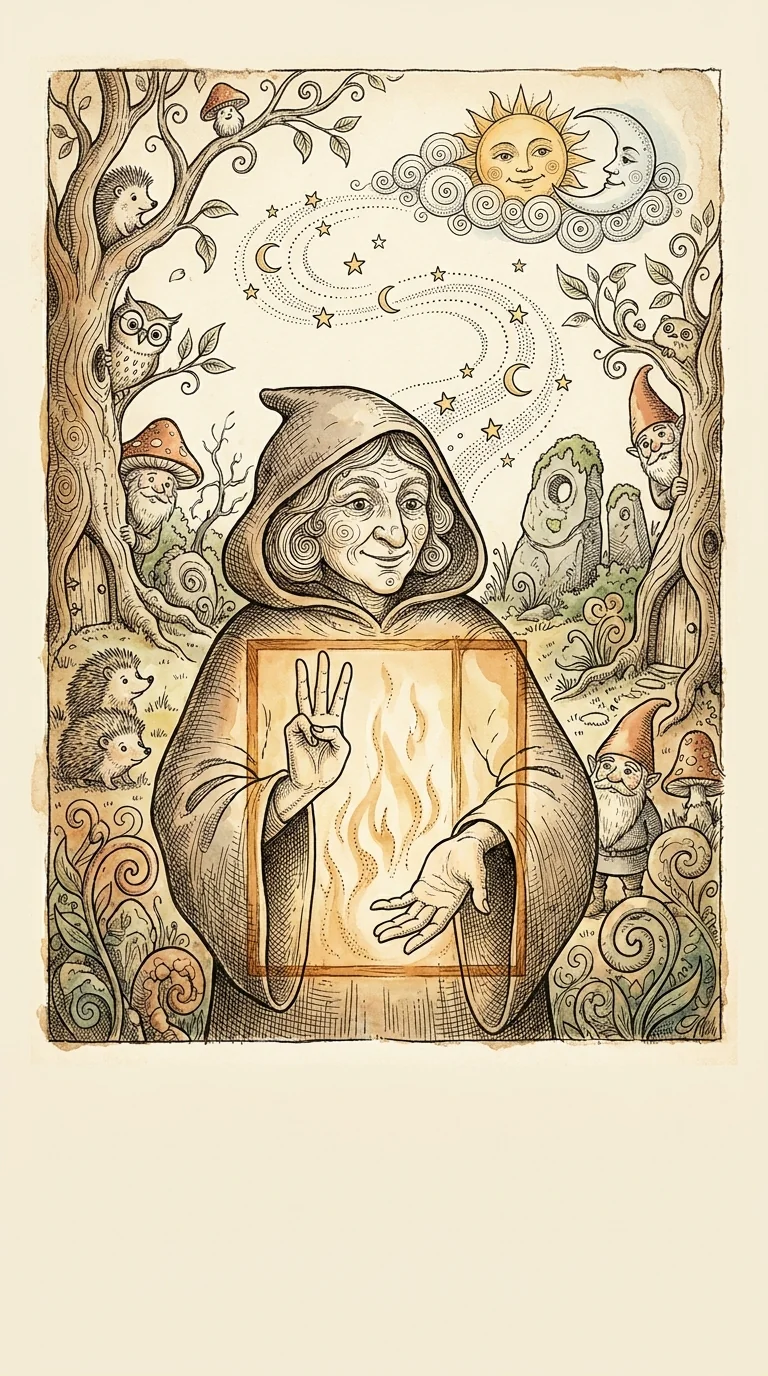
The gesture box runs from your chin to your waist and spans just wider than your shoulders. Everything inside this zone reads as engaging. Everything outside reads as either anxious or theatrical.
Gestures that stay in the box serve the listener. They reduce cognitive load — your hands visualize what your words are saying, so the brain doesn't have to work as hard to track the meaning.
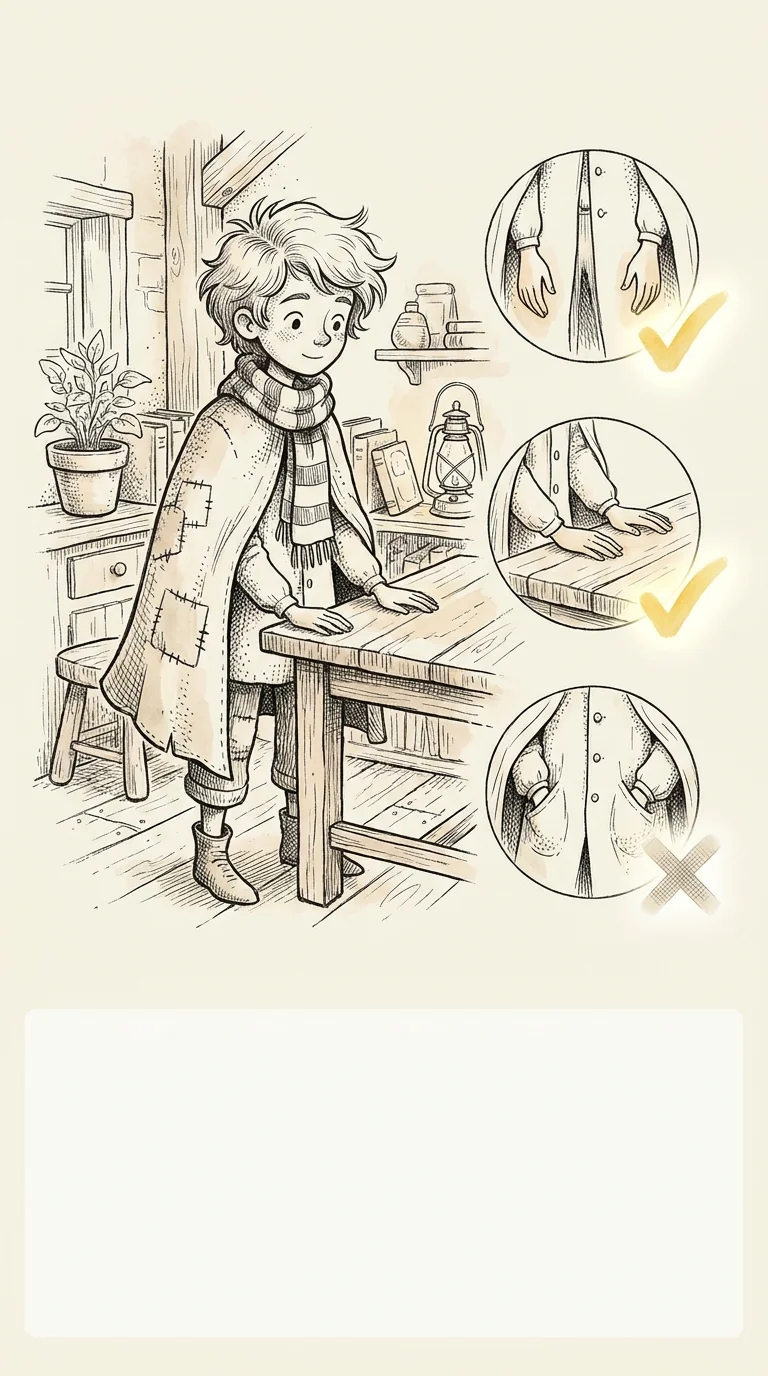
Hands at rest belong in one of two places: loose at your sides, or lightly resting on a surface in front of you. Not in your pockets. Not clasped behind your back. Not interlaced on your lap.
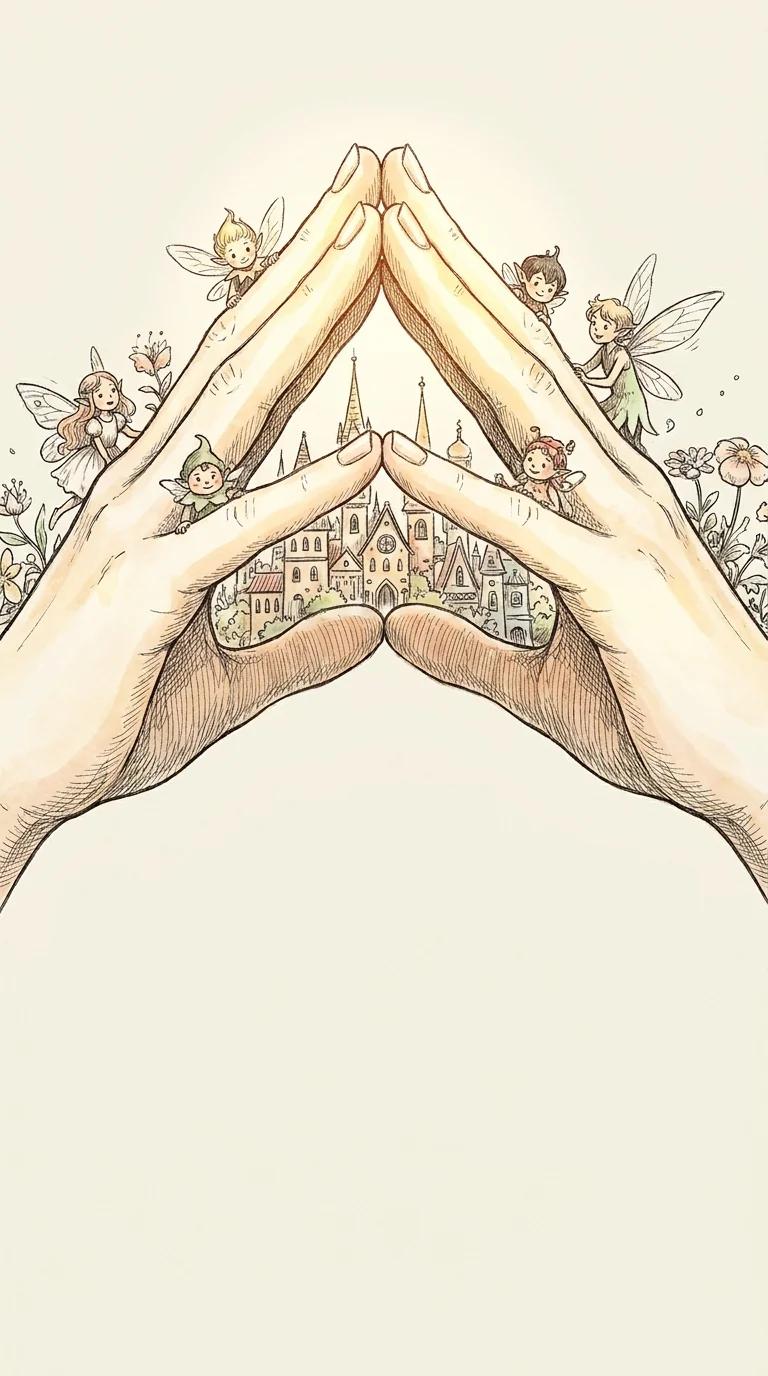
The steeple — fingertips touching lightly, fingers spread — belongs in the box and signals deep thought. Leaders and experts use it when listening carefully or considering a response. It reads as measured, not closed.
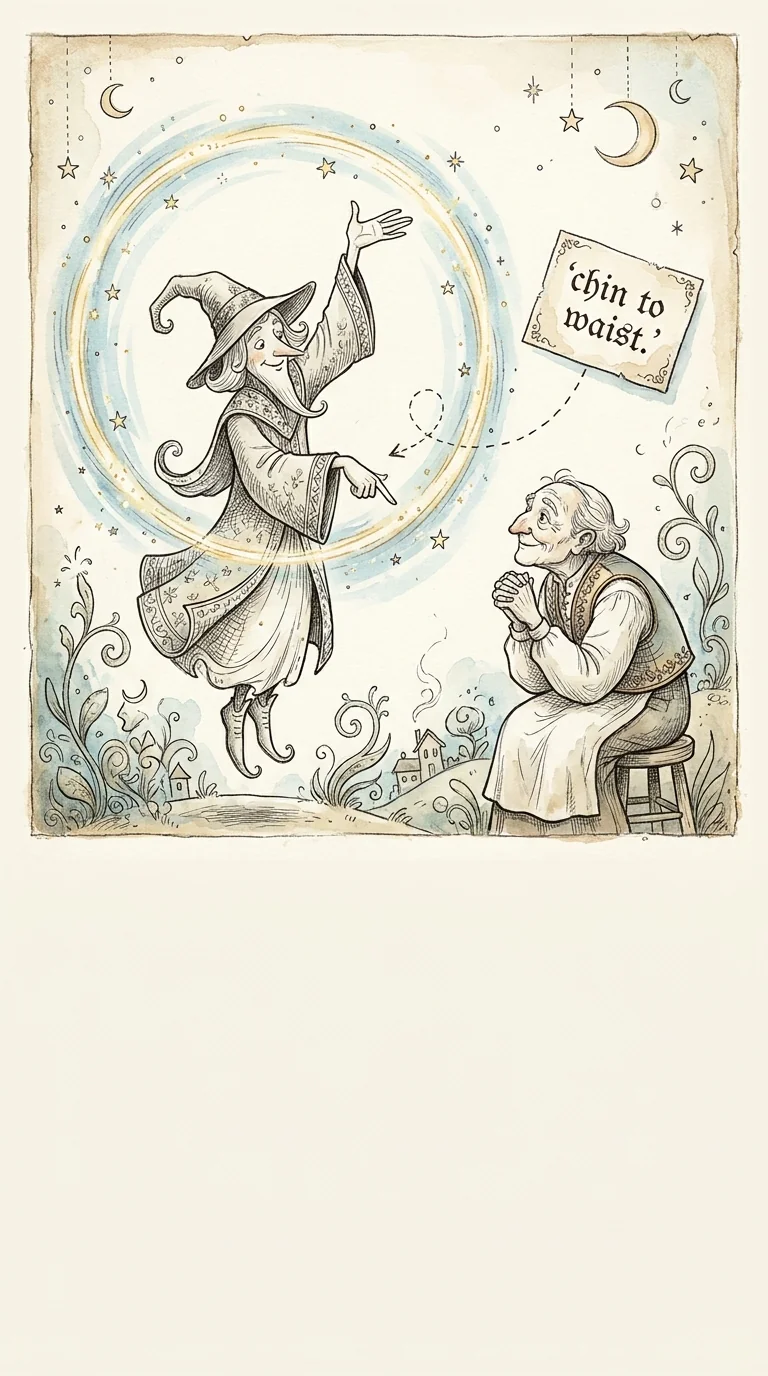
Today: have one conversation where you deliberately keep your gestures inside the box. You don't need to monitor every move — just reset once if you notice your arms escaping.
Part 2: The Handshake Protocol
+10 XP on completion
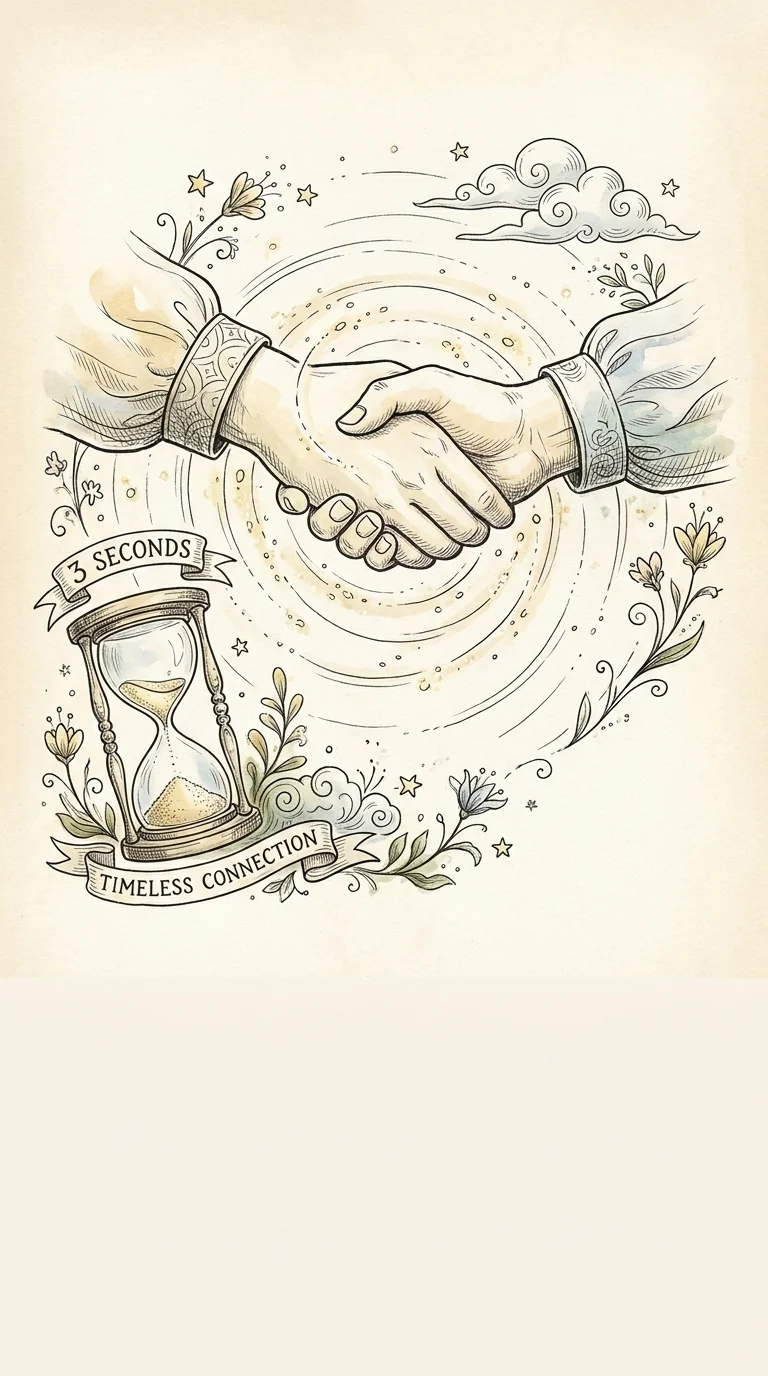
The handshake is the fastest physical trust transaction there is. It's also one of the most commonly fumbled. Three seconds of intention can set the entire tone of what follows.
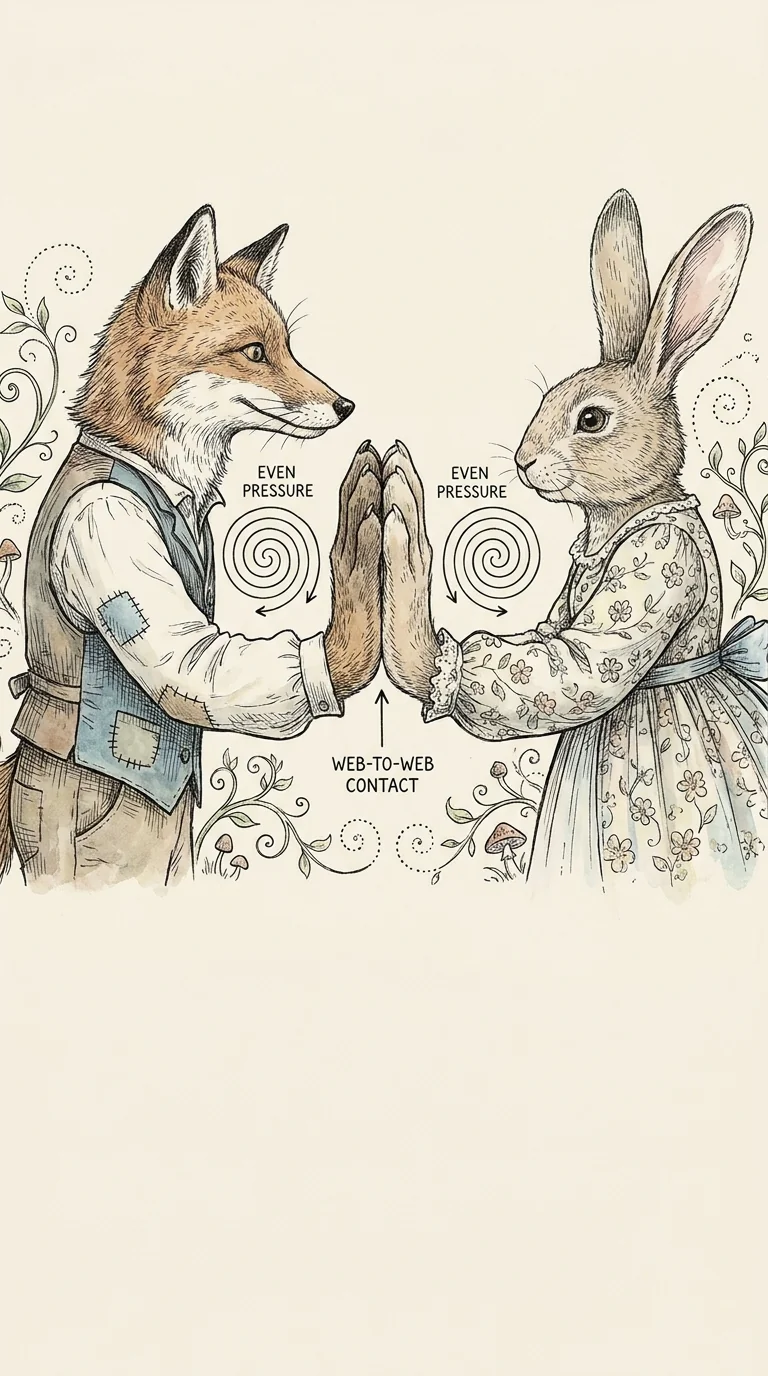
Palm-to-palm, thumbs toward the sky. The web between your thumb and forefinger meets theirs. The clasp is firm but not a grip test. One pump for someone you know; three for a first meeting.
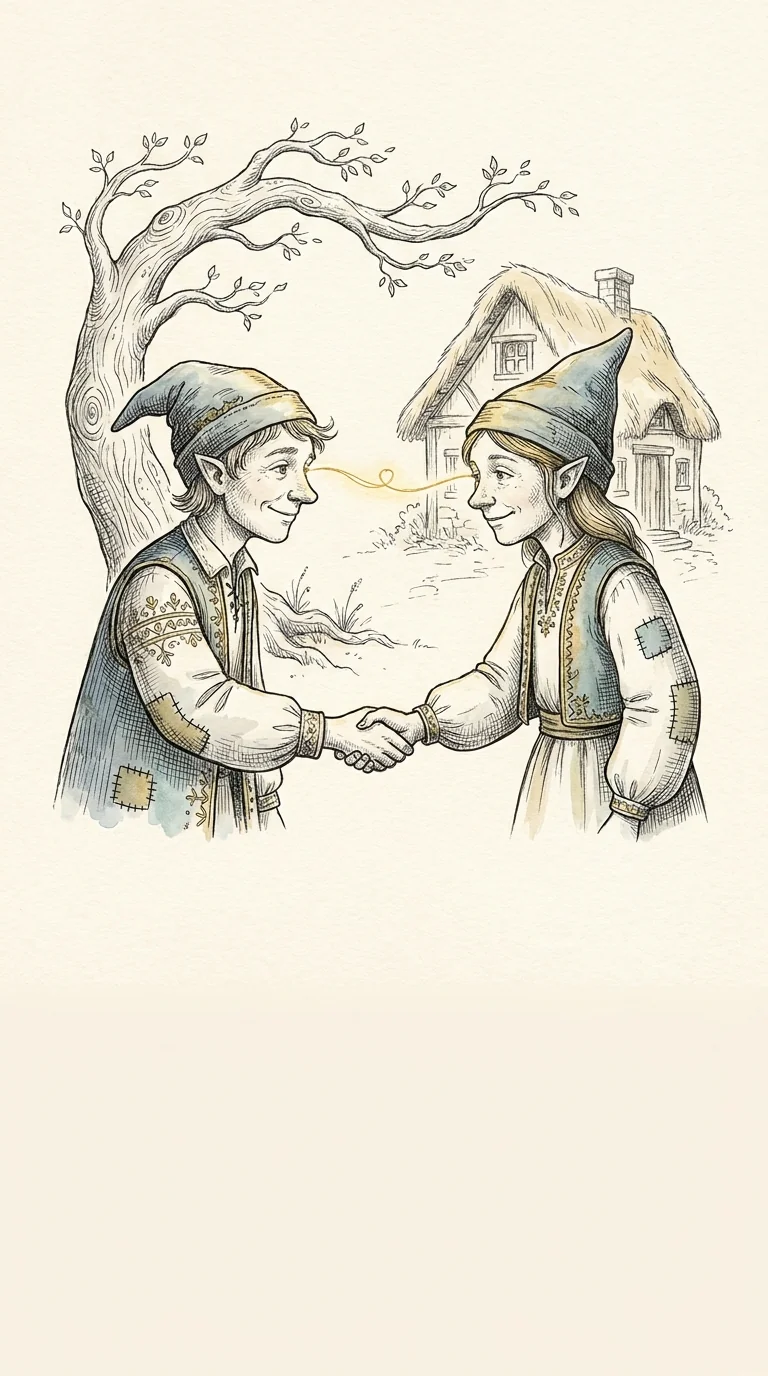
Maintain eye contact through the handshake. The moment you look away is the moment the connection breaks. Release cleanly — no lingering — and then continue with both eyes still forward.
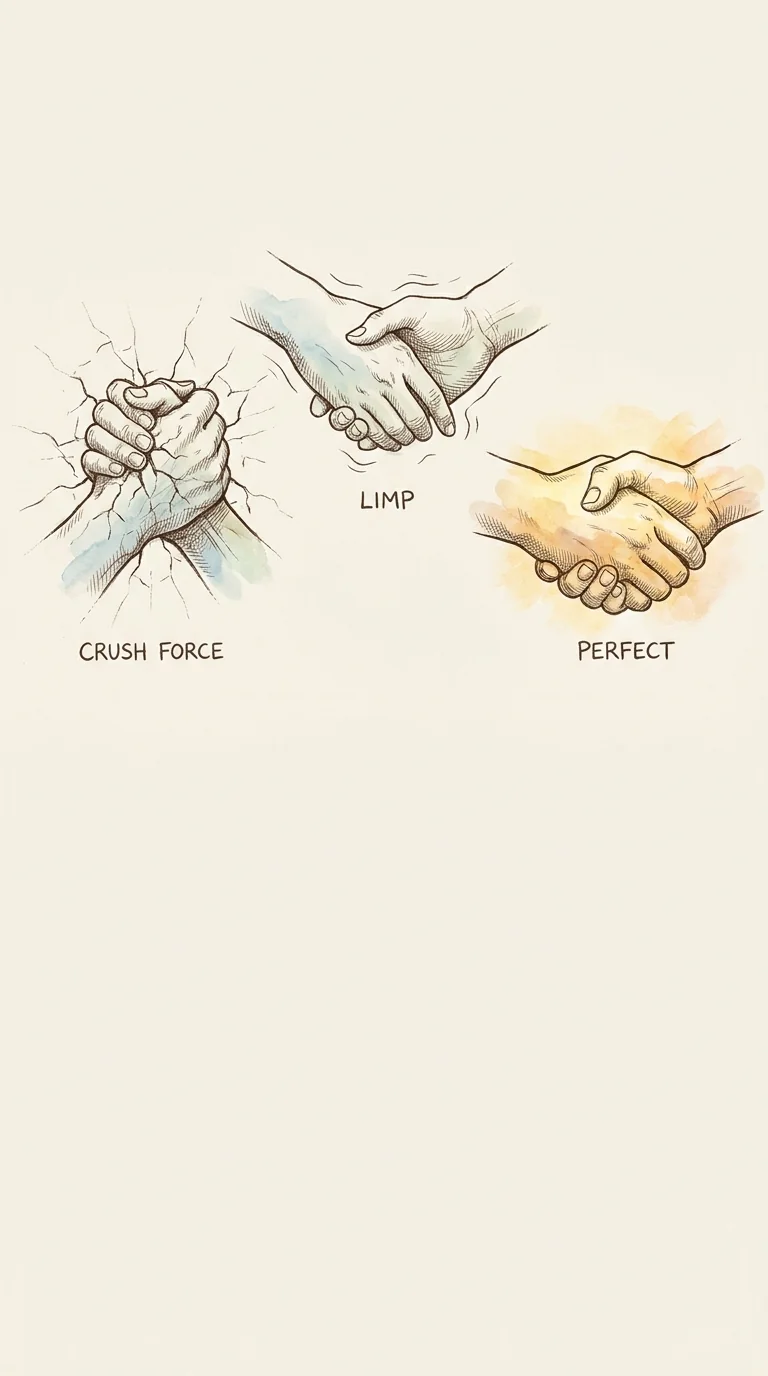
A crushing grip signals insecurity, not strength. A limp grip signals disengagement. The goal is matched pressure — a conversation, not a competition.
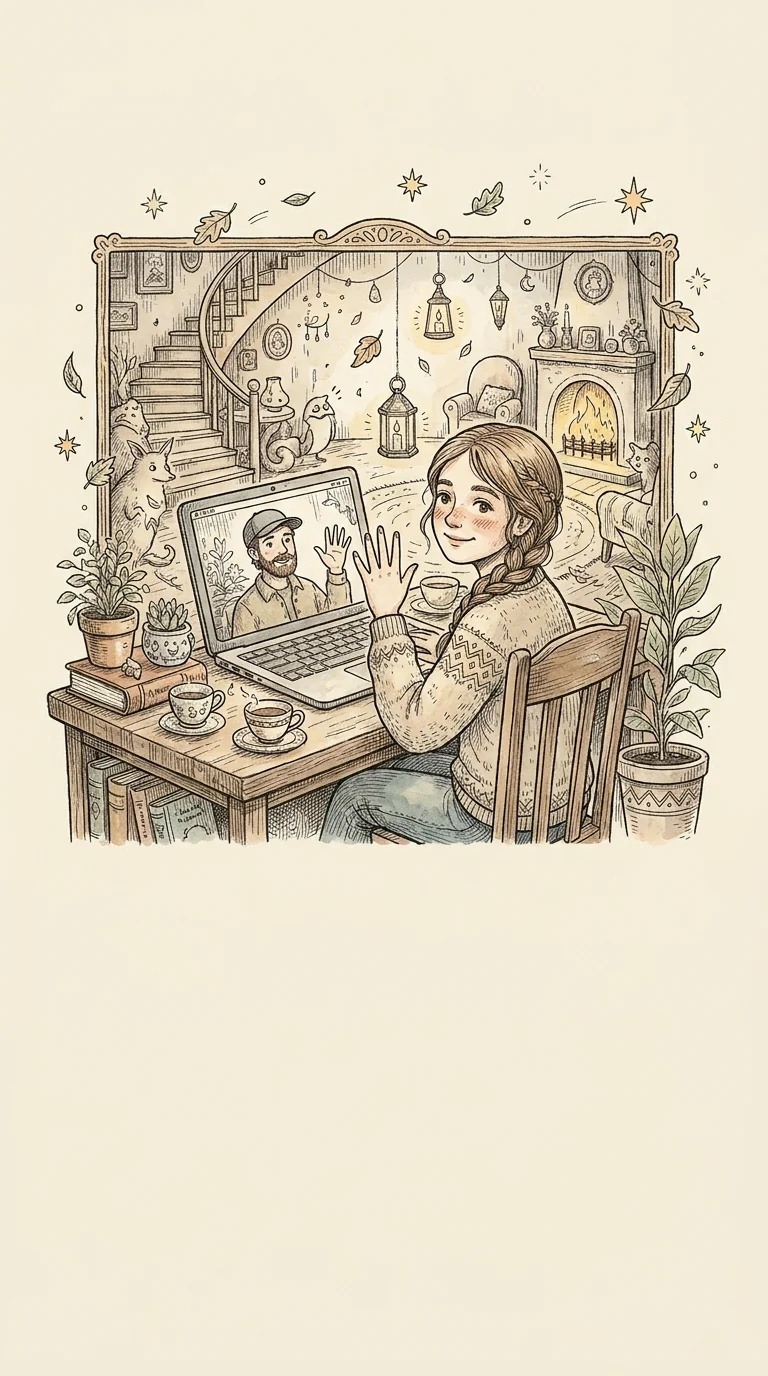
Remote greeting: the handshake equivalent on video is a visible wave with your full open hand, followed by sustained eye contact and a warm acknowledgment. The open palm does the same work as the physical clasp.
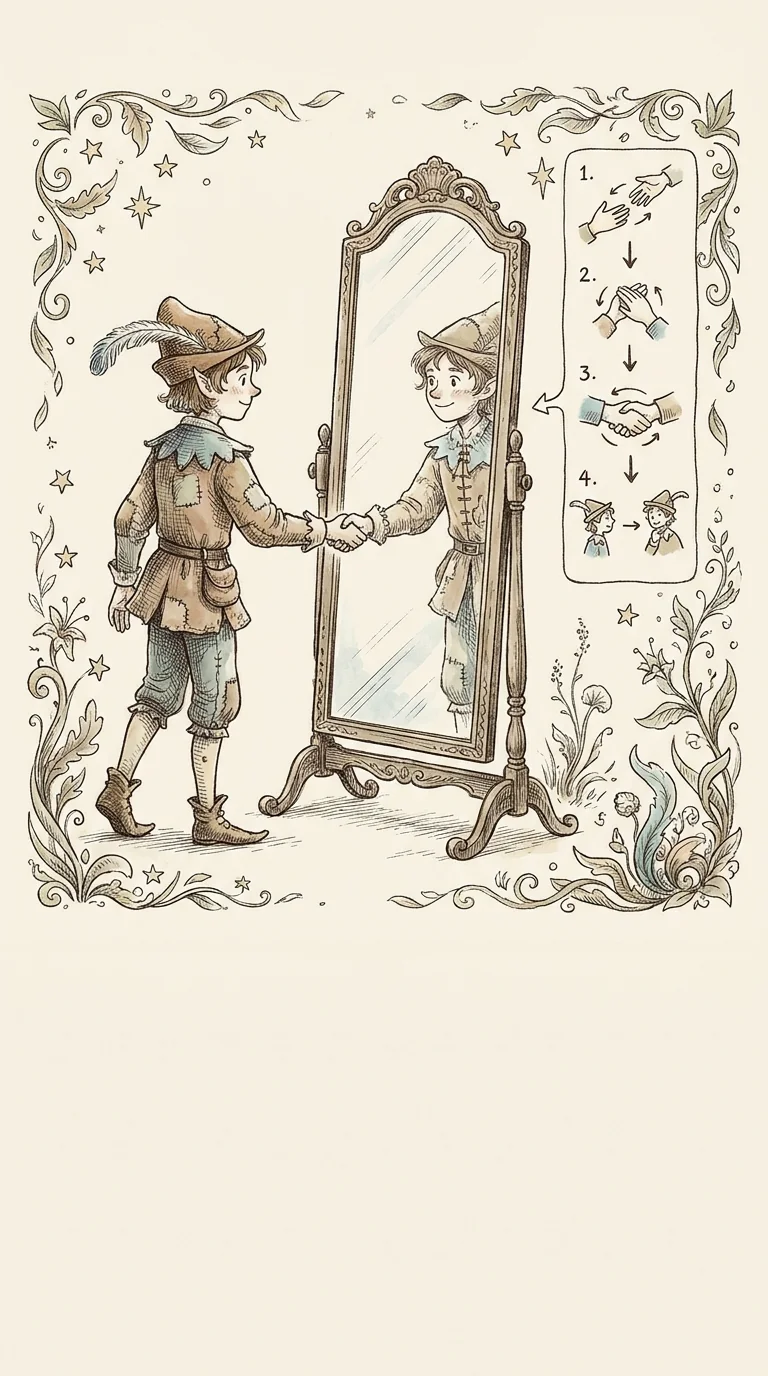
Today's drill: practice the handshake in the mirror — palm-to-palm alignment, firm but not crushing, three pumps, clean release. Then use an intentional greeting in your very next real-world interaction.