Danger Cues — What Leaks Through
You can choose your words carefully. You cannot choose your leakage. Crossed arms, fidgeting, rocking, face-touching — these signals escape before the conscious mind can stop them.
Part 1: Danger Cues — What Leaks Through
+5 XP on completion
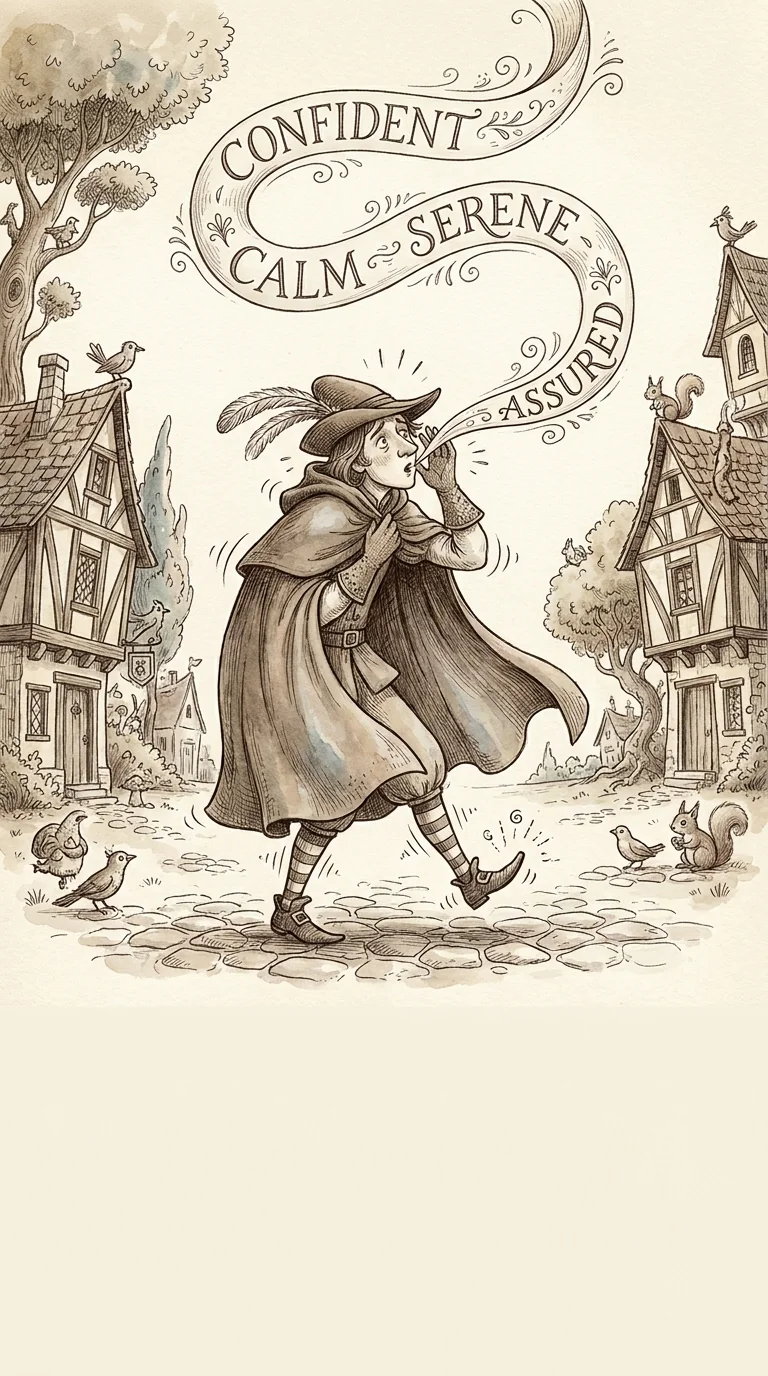
You can choose your words carefully. You cannot choose your leakage. Crossed arms, fidgeting, rocking, face-touching — these signals escape before the conscious mind can stop them.
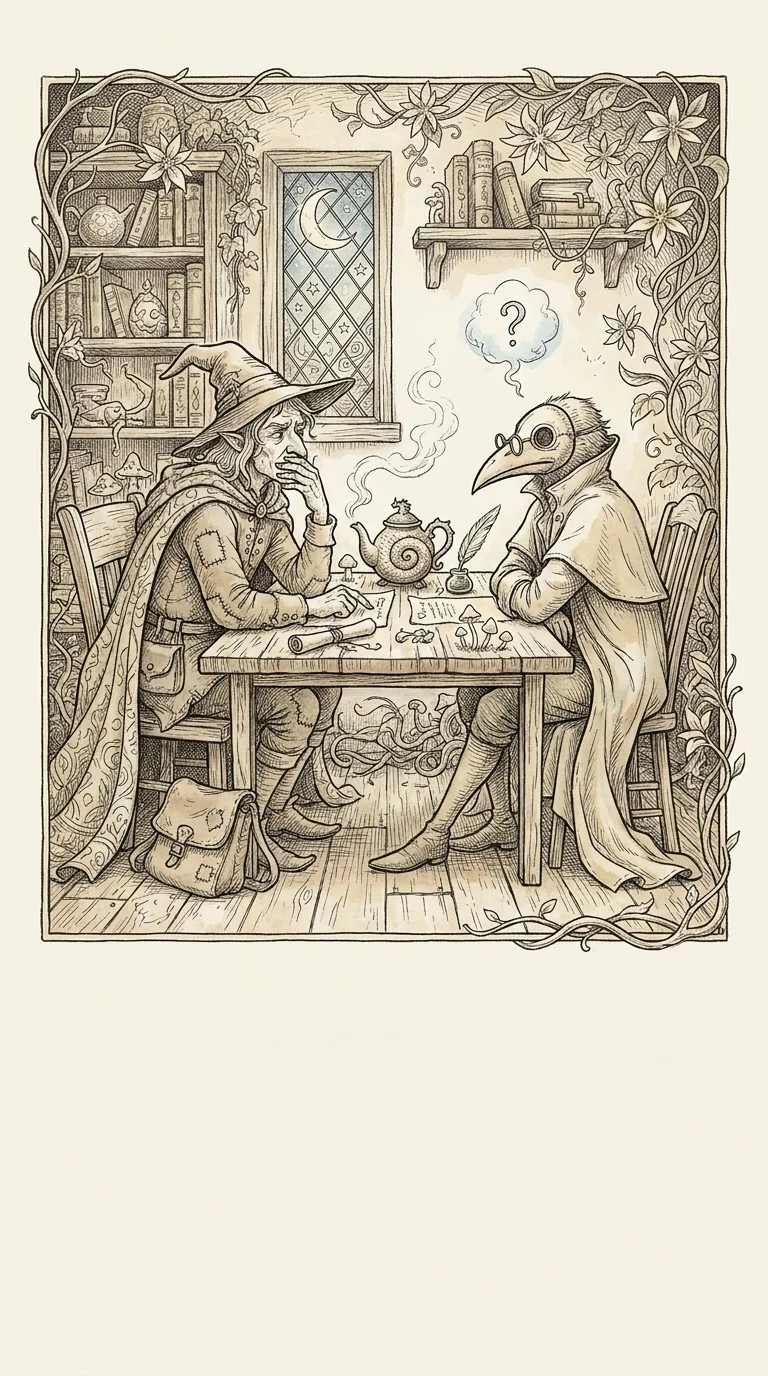
Face-touching — rubbing the nose, covering the mouth, touching the ear — is the most universal anxiety signal. It happens when the brain is managing conflict between what we feel and what we're saying.
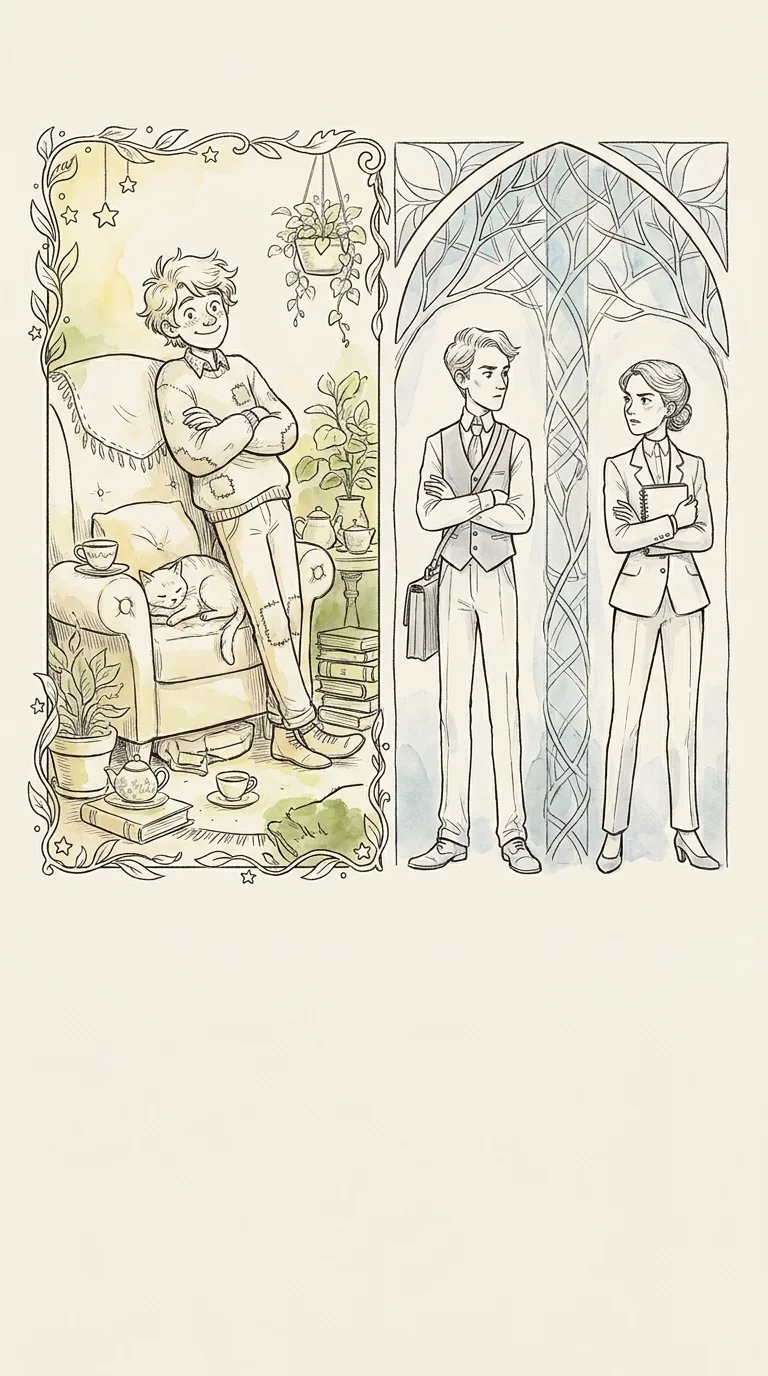
Crossed arms are misread constantly. Sometimes it's cold; sometimes it's thinking. But in a new relationship or high-stakes moment, the other person can't know that — so it reads as closed and guarded.

Rocking and swaying are nervous energy without an outlet. Planting your feet removes the outlet's need — the body settles because there's nowhere to go. Stability signals stability.
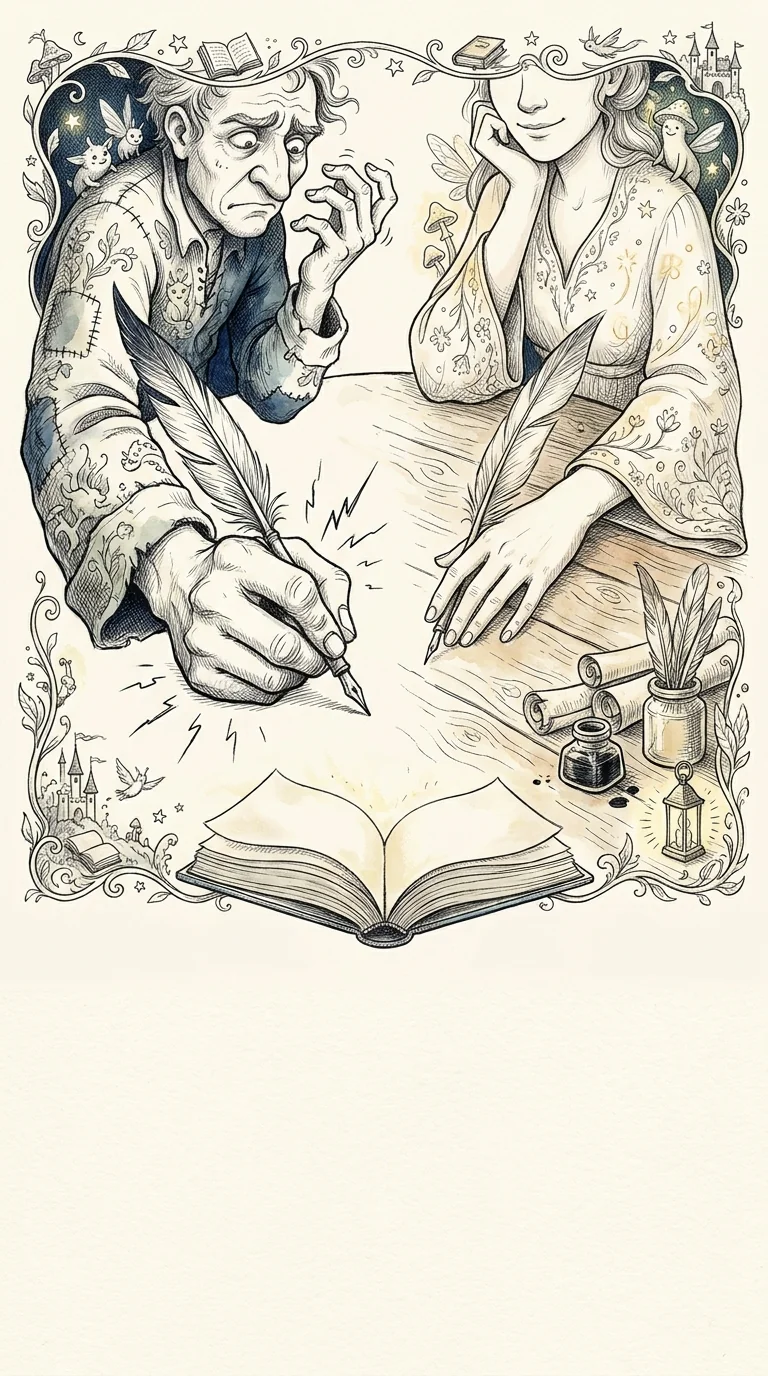
White-knuckling — gripping a pen, a glass, a folder — amplifies tension into the room. It's visible before people can name it. The replacement: let the object rest; don't grip it.
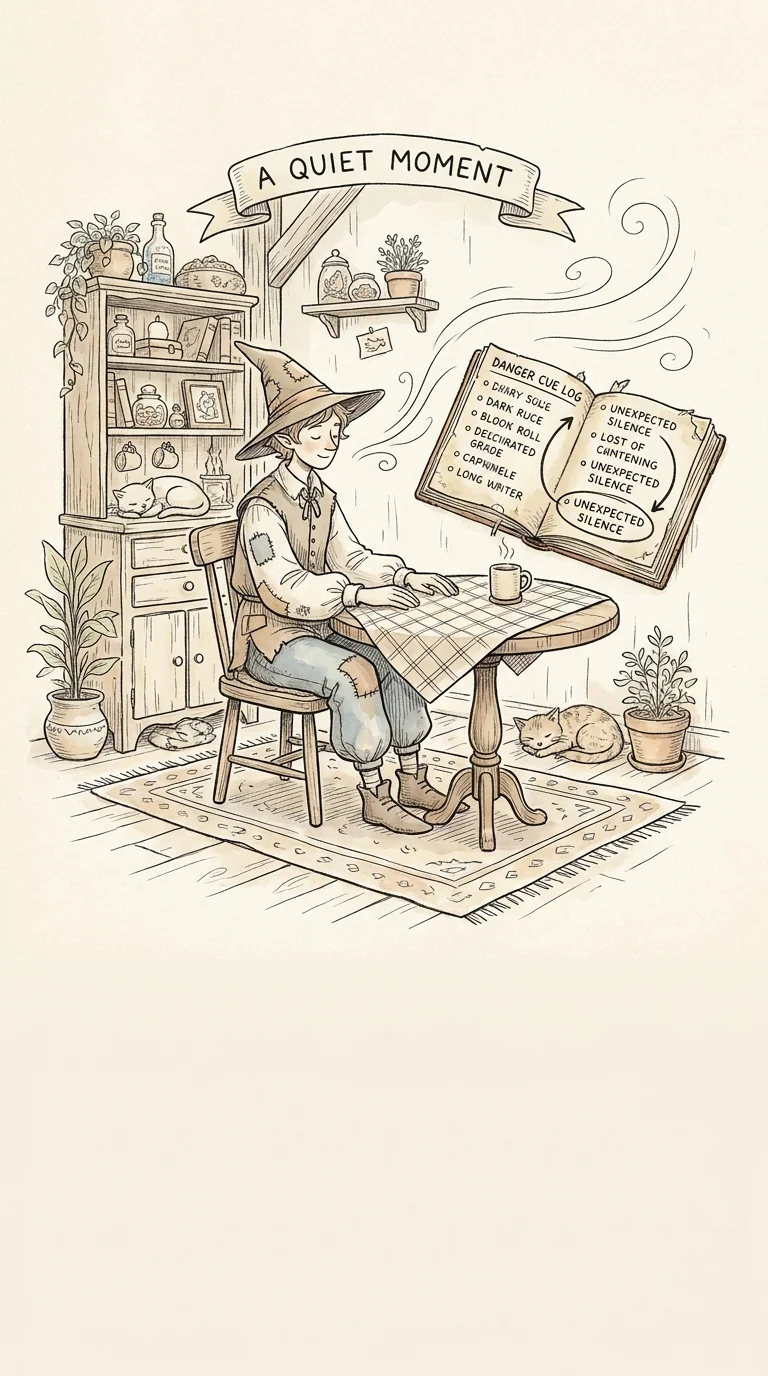
You don't need to eliminate every nervous tick — that's not the goal. The goal is to catch the biggest one, the one that's doing the most damage, and replace it with stillness.
Part 2: Video-Call Presence
+10 XP on completion
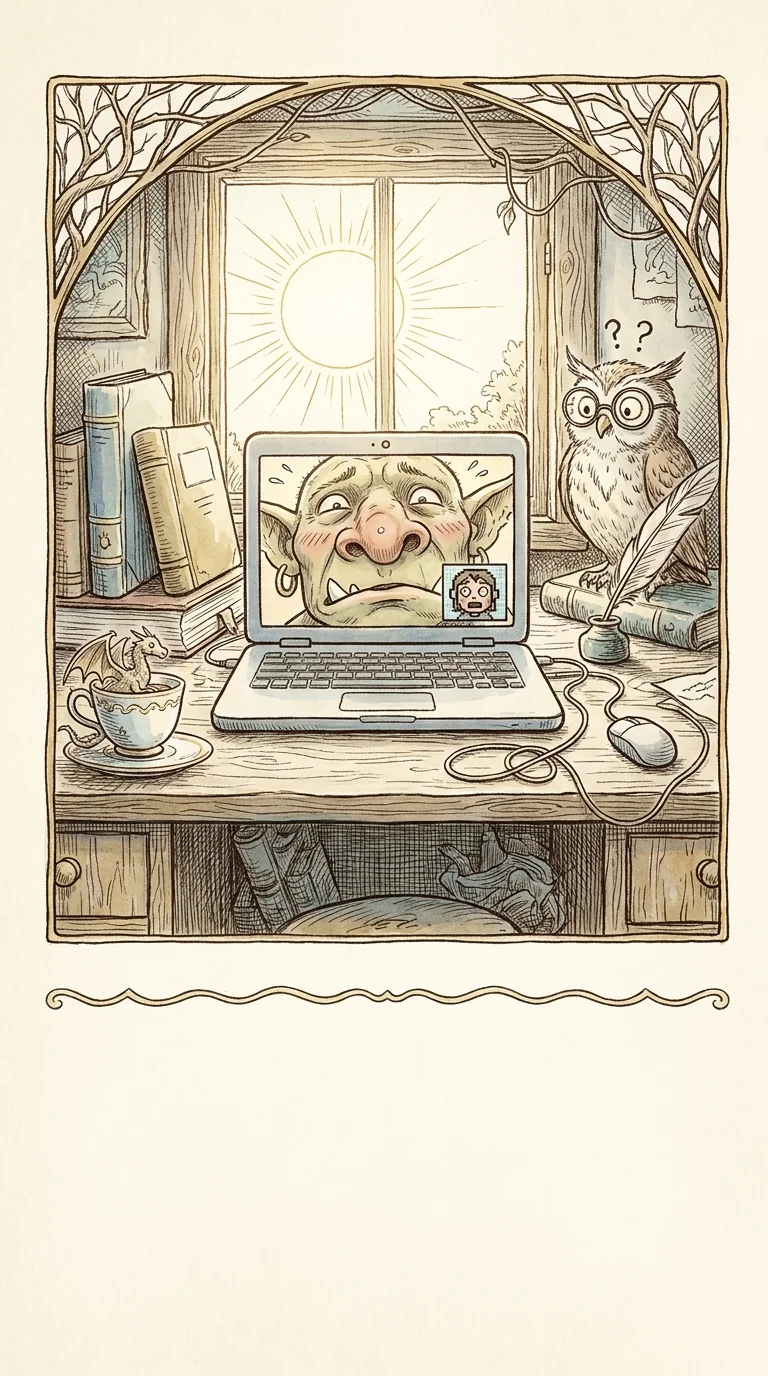
The video call is now where most first impressions happen. And most people treat it as an afterthought — terrible lighting, camera pointed at the ceiling, face filling 20% of the screen.
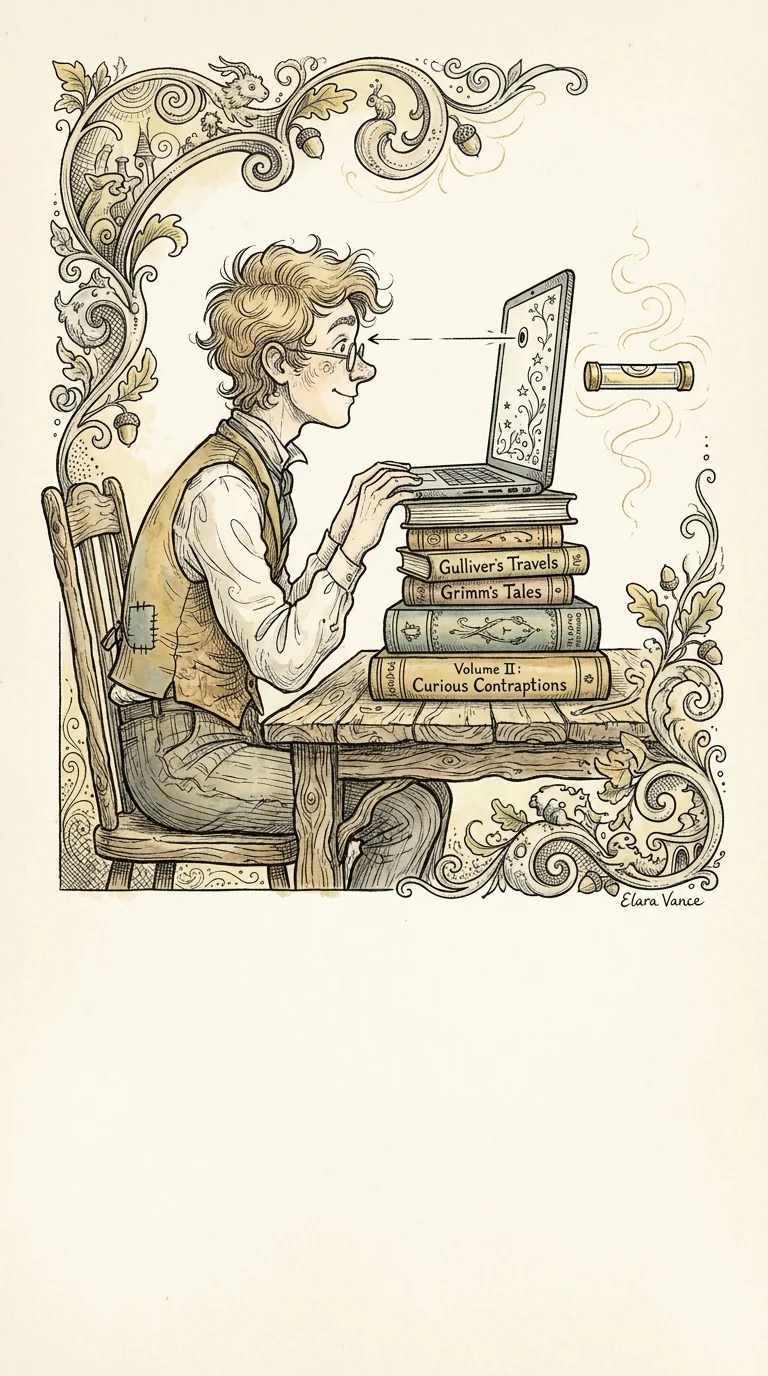
Camera at eye level is the single most important setup fix. Anything lower than eye level makes you appear to loom. Anything higher makes you appear small. Eye level says: we're equals in this conversation.
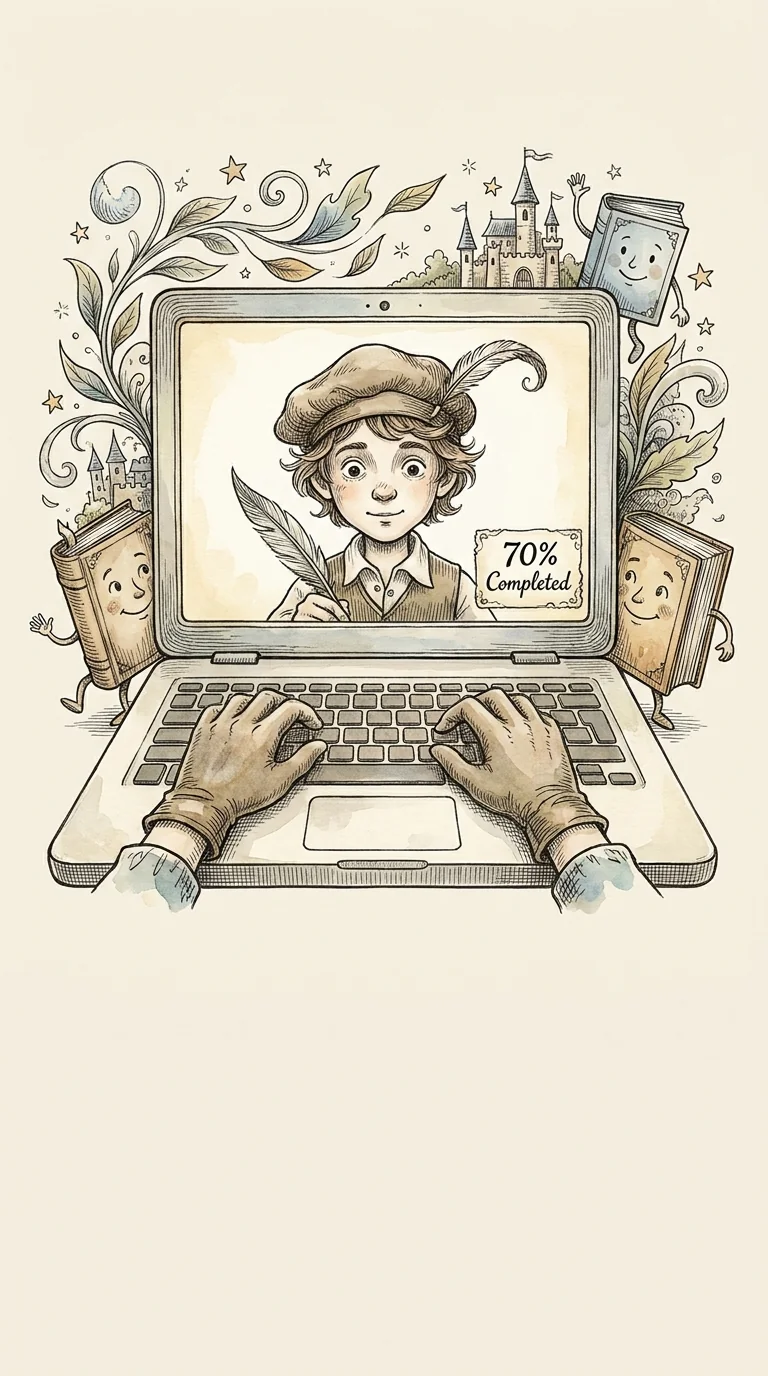
Fill about 70% of the screen: head and upper torso visible, hands in the strike zone. Too close is intense; too far is distant. The sweet spot lets the other person read your face and your hands simultaneously.
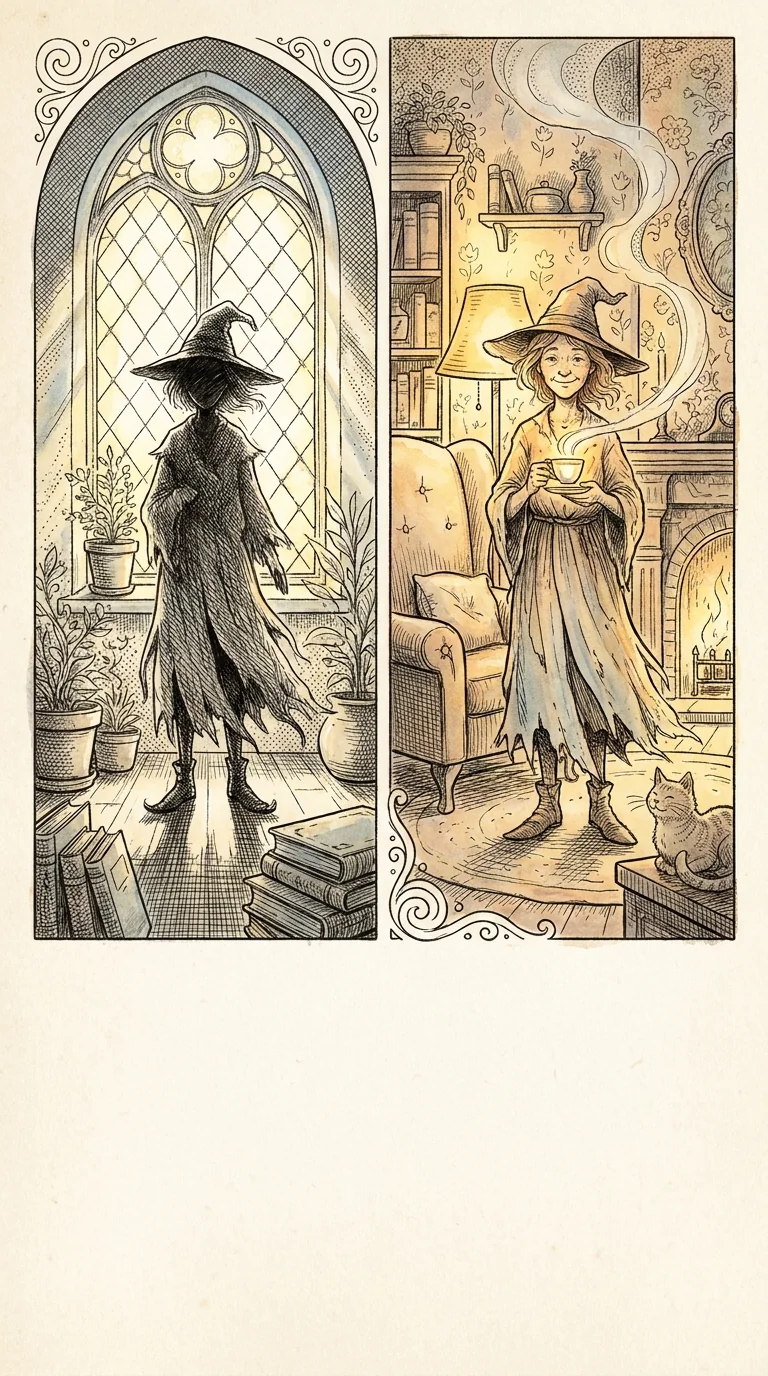
Lighting from the front, not behind. A window behind you makes you a silhouette. A lamp or ring light in front of you makes you readable. Readable means trusted.
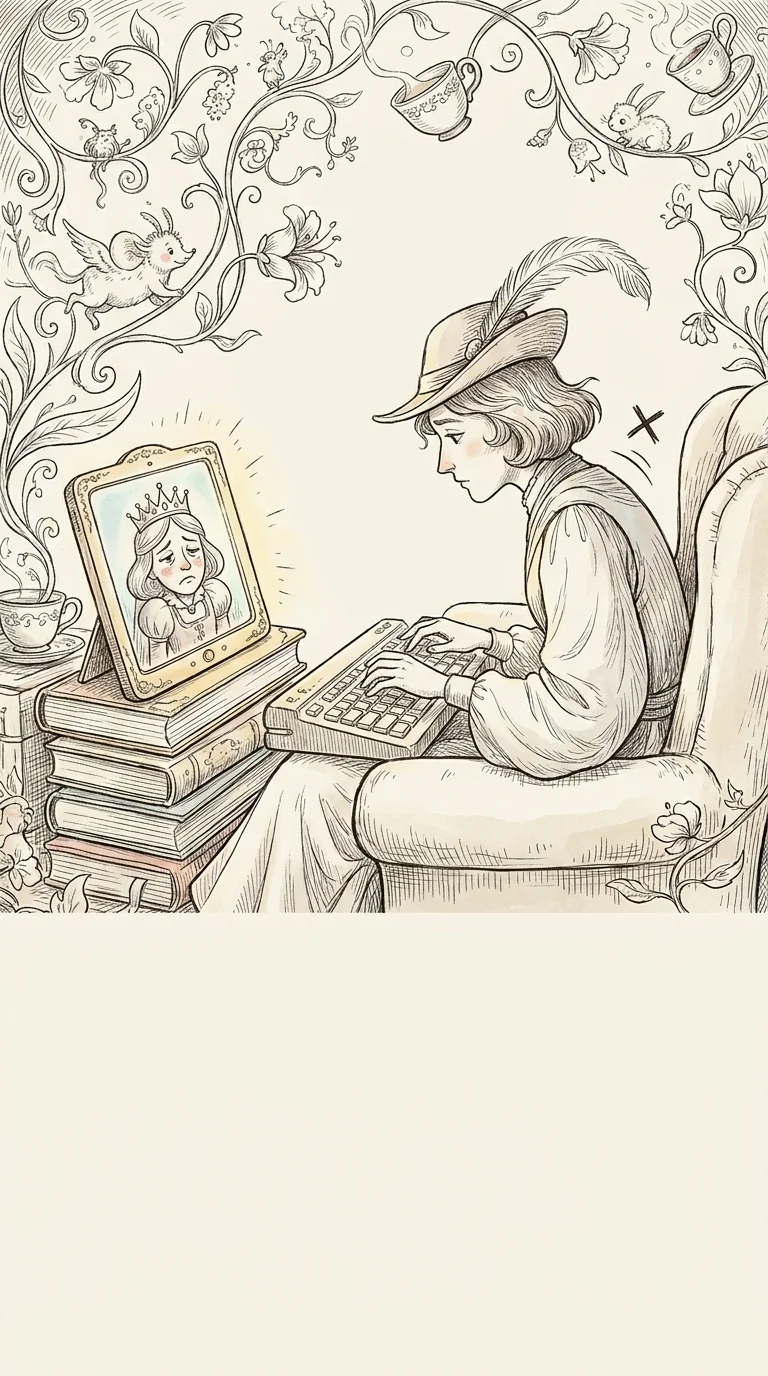
Don't type with your body turned away from the camera. Your back or profile signals disconnection more loudly than anything you could say. If you must type, acknowledge it: 'Let me just note this down.'
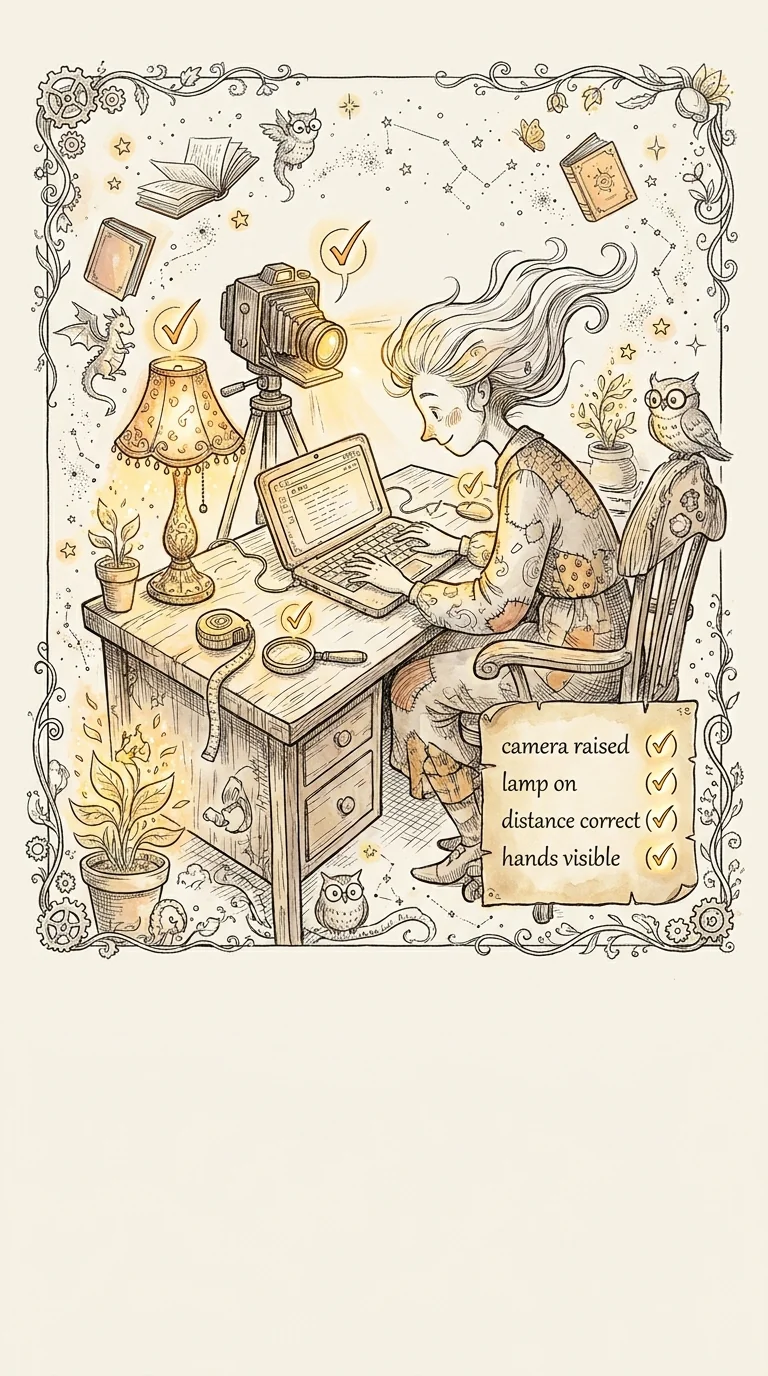
Before your next video call: camera at eye level, front light on, 18 inches back, hands in the strike zone. That's the whole checklist. Run it once before you join. It takes 45 seconds.