Personal Memory — The Warmth Multiplier
Remembering what someone told you — their kid's name, their big project, the trip they mentioned in passing — is one of the most powerful warmth moves in human interaction. It says: you mattered enough for me to hold
Part 1: Personal Memory — The Warmth Multiplier
+5 XP on completion

Remembering what someone told you — their kid's name, their big project, the trip they mentioned in passing — is one of the most powerful warmth moves in human interaction. It says: you mattered enough for me to hold on to you.

Most people don't forget because they don't care — they forget because they never wrote it down. Personal memory is a skill, not a gift. The system matters more than the memory.

A simple system: after any meaningful conversation, note three things about the person — something personal they mentioned, something they care about, something coming up for them. Review before the next time you meet.
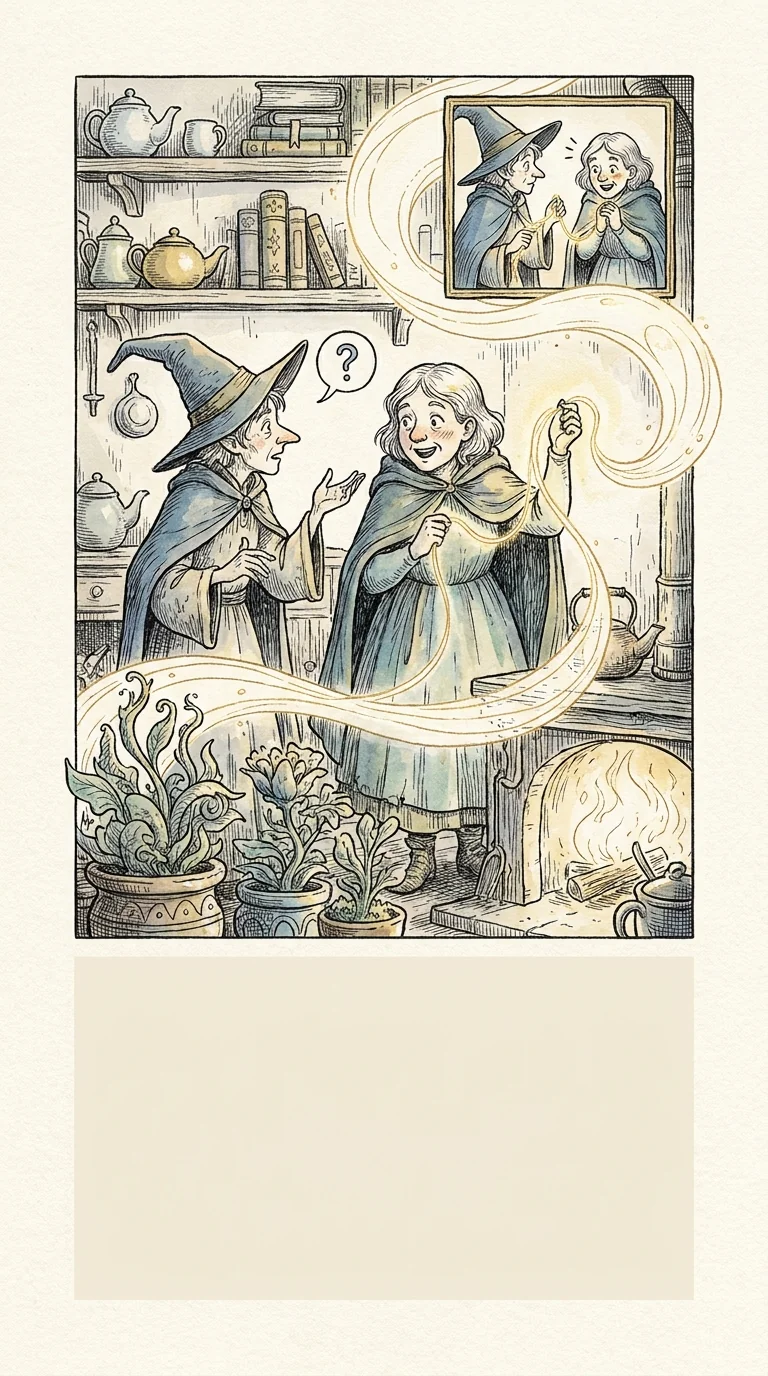
The most powerful use of personal memory is the callback: 'Last time you mentioned you were working on that presentation — how did it go?' You've made them feel not just remembered, but cared about. Those are different things.

One important caution: don't use personal details to create a performance of warmth. If you remember something and immediately use it to get something — a sale, a favor — it backfires. The warmth must be genuine or it reads as manipulation.

Today: pick three people in your life and write one personal detail about each one you could ask about next time you see them. This takes four minutes. The impact lasts years.
Part 2: Conversation Starters That Create Energy
+10 XP on completion
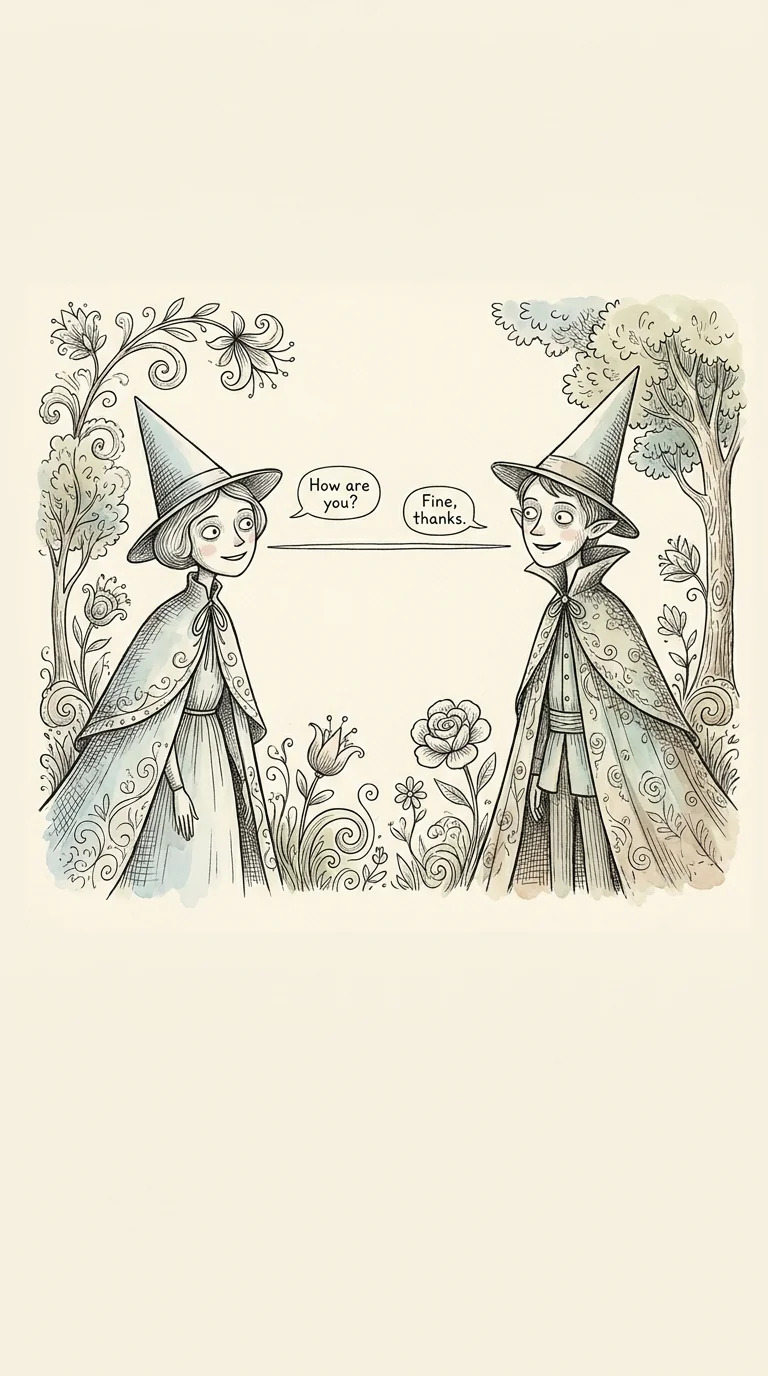
Most conversation openers are autopilot questions — 'How are you?', 'Busy lately?', 'Any big plans this weekend?' They get autopilot answers. And the conversation flatlines before it starts.

Dopamine starters are questions that create a small burst of positive recall in the other person's mind. They invite a story, a feeling, or a highlight — and that energy carries into the rest of the conversation.
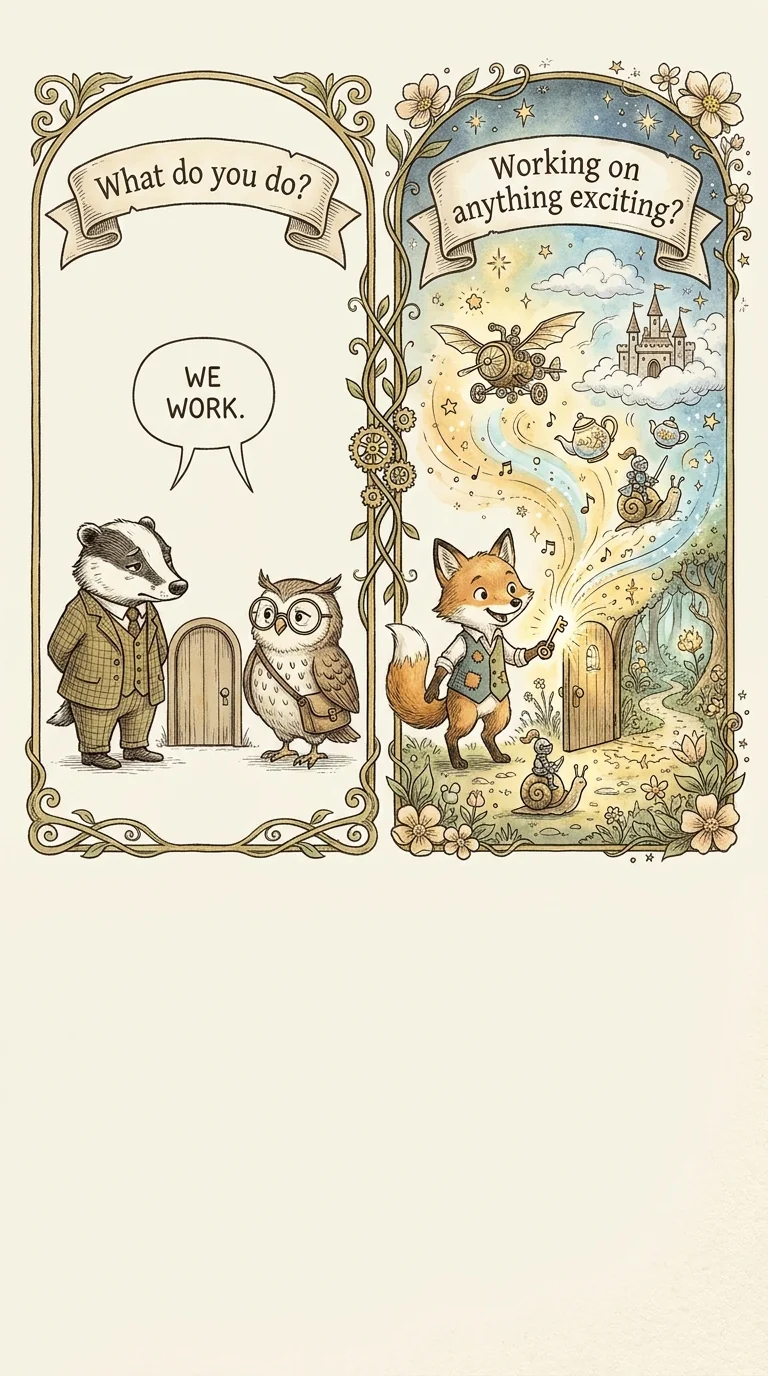
Replace 'What do you do?' with 'Working on anything exciting lately?' The first gets a job title and a stop. The second gets a story — and a window into what the person actually cares about.

Thread Theory: conversations have threads — topics that emerge naturally. When someone mentions something with energy — their voice speeds up, they lean in, their face changes — that's a thread worth pulling. Follow it with 'why' or 'tell me more.'

'Teach me' is the most disarming phrase in any conversation. It acknowledges that the other person knows something you don't — and invites them to be the expert. People always lean forward when they get to teach something they love.

Today: replace one autopilot opener with a dopamine starter in your next real conversation. 'What was the highlight of your day so far?' takes the same time to ask as 'How are you?' — but opens something completely different.