Appropriate Touch — Reading the Range
Touch is the most powerful warmth channel available — and the most dangerous to get wrong. A tap on the arm at the right moment bonds people faster than an hour of conversation. The same tap at the wrong moment breaks
Part 1: Appropriate Touch — Reading the Range
+5 XP on completion
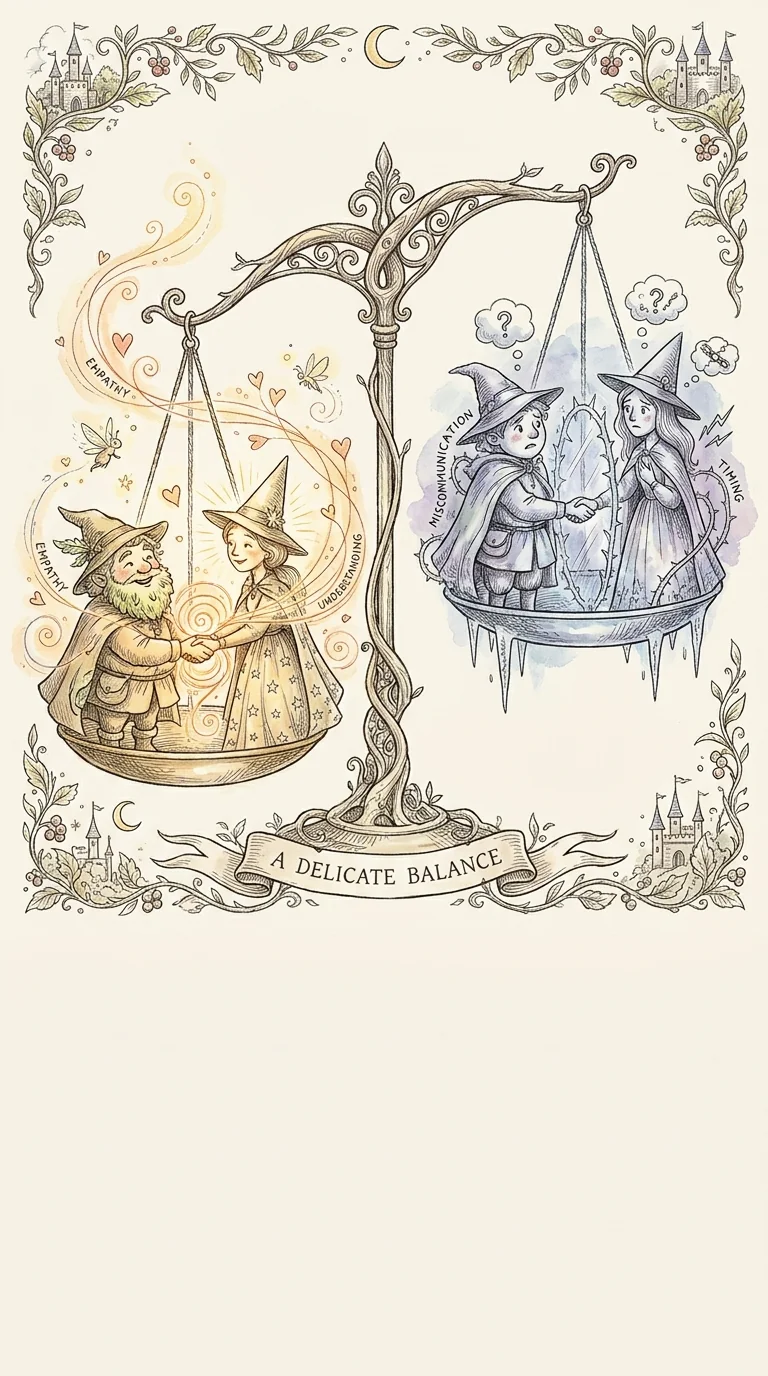
Touch is the most powerful warmth channel available — and the most dangerous to get wrong. A tap on the arm at the right moment bonds people faster than an hour of conversation. The same tap at the wrong moment breaks trust entirely.

There's a spectrum of professional touch. The handshake is baseline — expected, universal, neutral. The arm touch is warmer — a brief contact on the forearm or upper arm. Both are within professional norms in most Western contexts.
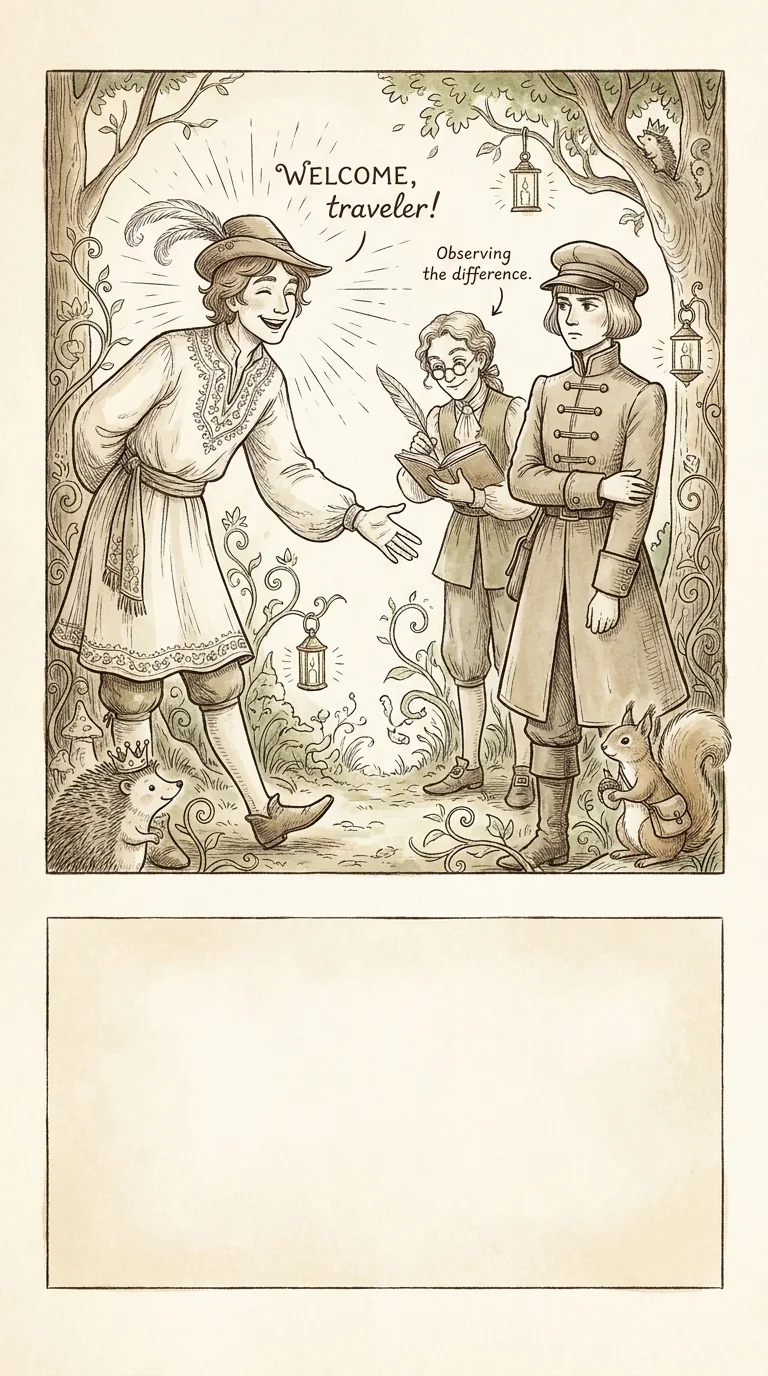
The rule for professional touch: brief, appropriate to the relationship, and only initiated if you're confident the other person will welcome it. When in doubt, read their body language after a handshake — did they lean in or lean back?
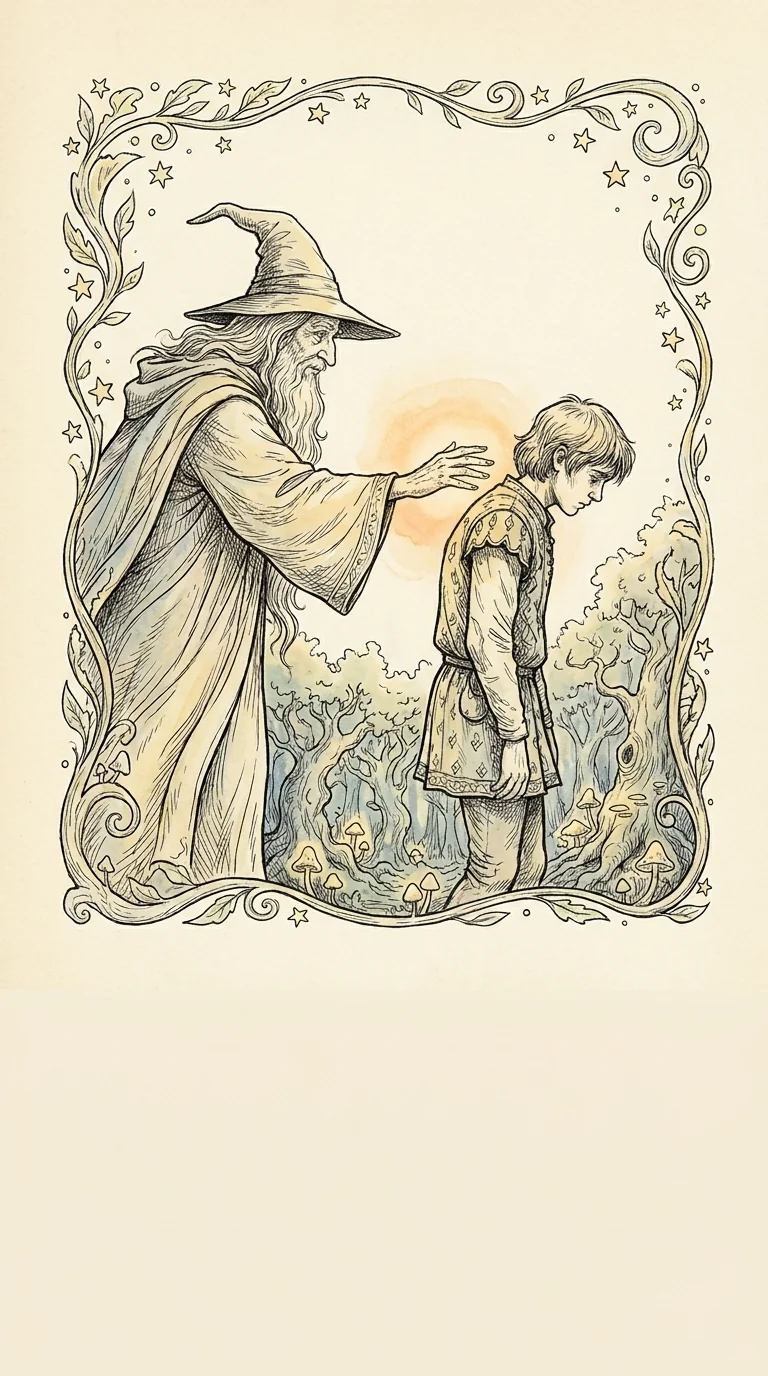
The hover touch — hand moving toward but not quite making contact — is surprisingly effective in emotional moments: a near-touch on the shoulder when offering condolences or support. It signals care without forcing contact.
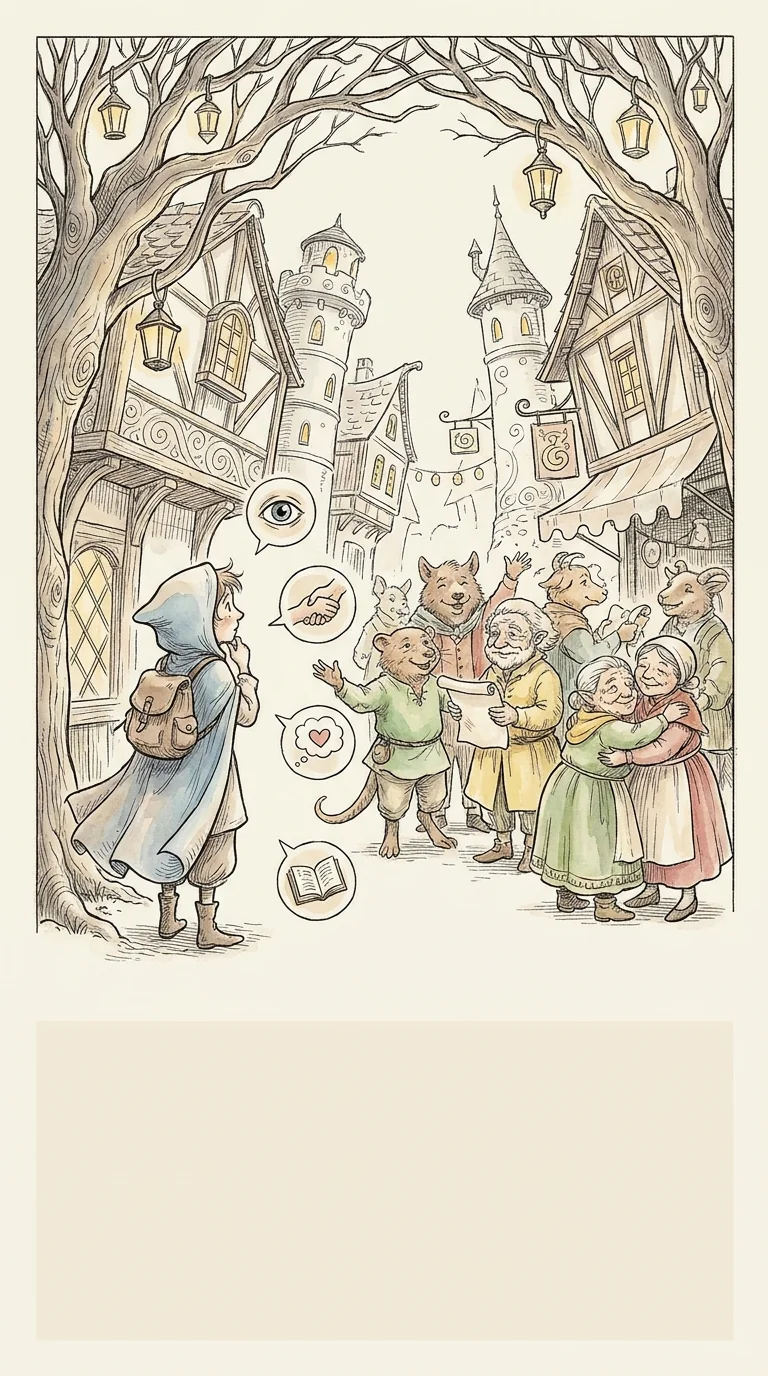
Cultural context always matters. What reads as warm connection in one culture reads as an invasion in another. The rule is simple: observe how others in that context touch each other before initiating.
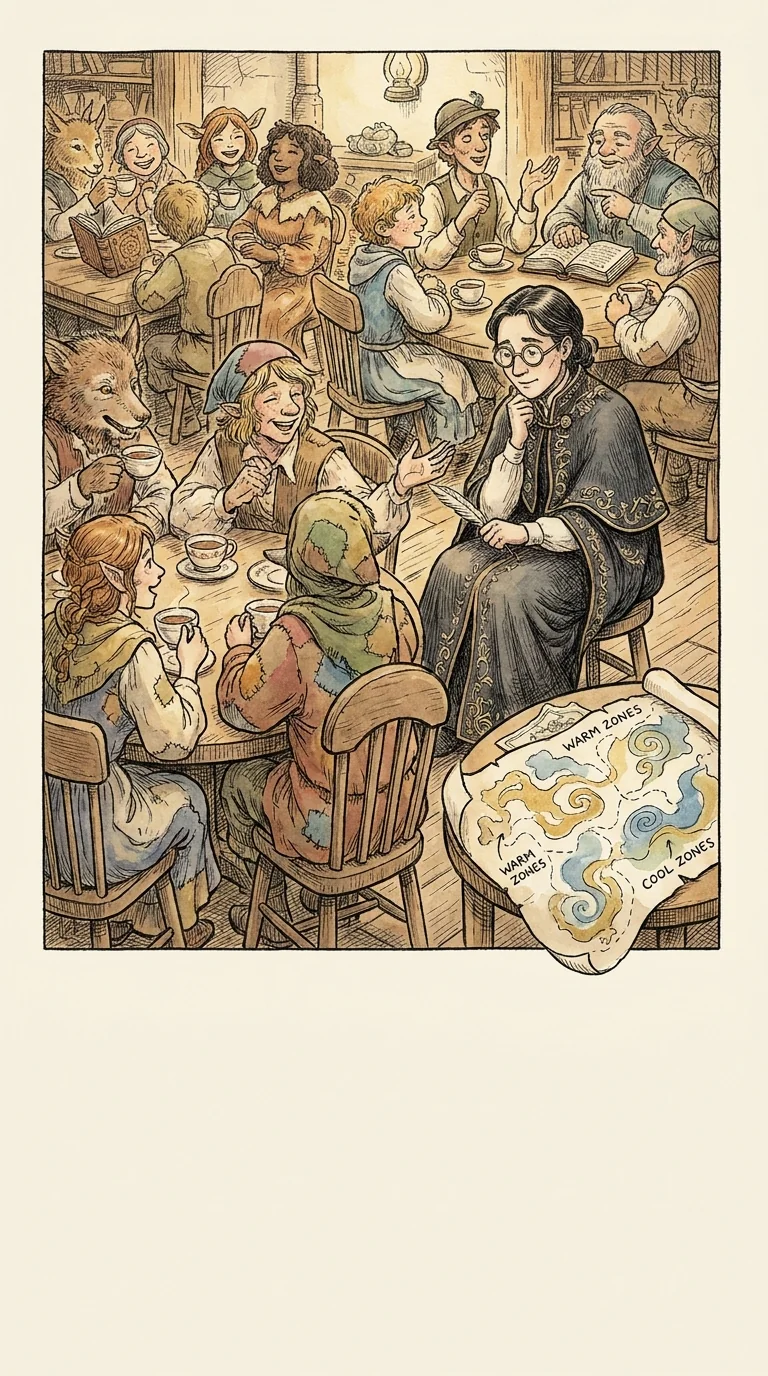
Today's awareness exercise: notice touch in your interactions — where it happens, who initiates, how it's received. You're not doing anything yet; you're building the map of touch norms in your own environment.
Part 2: Space and Seating — The Room as Signal
+10 XP on completion
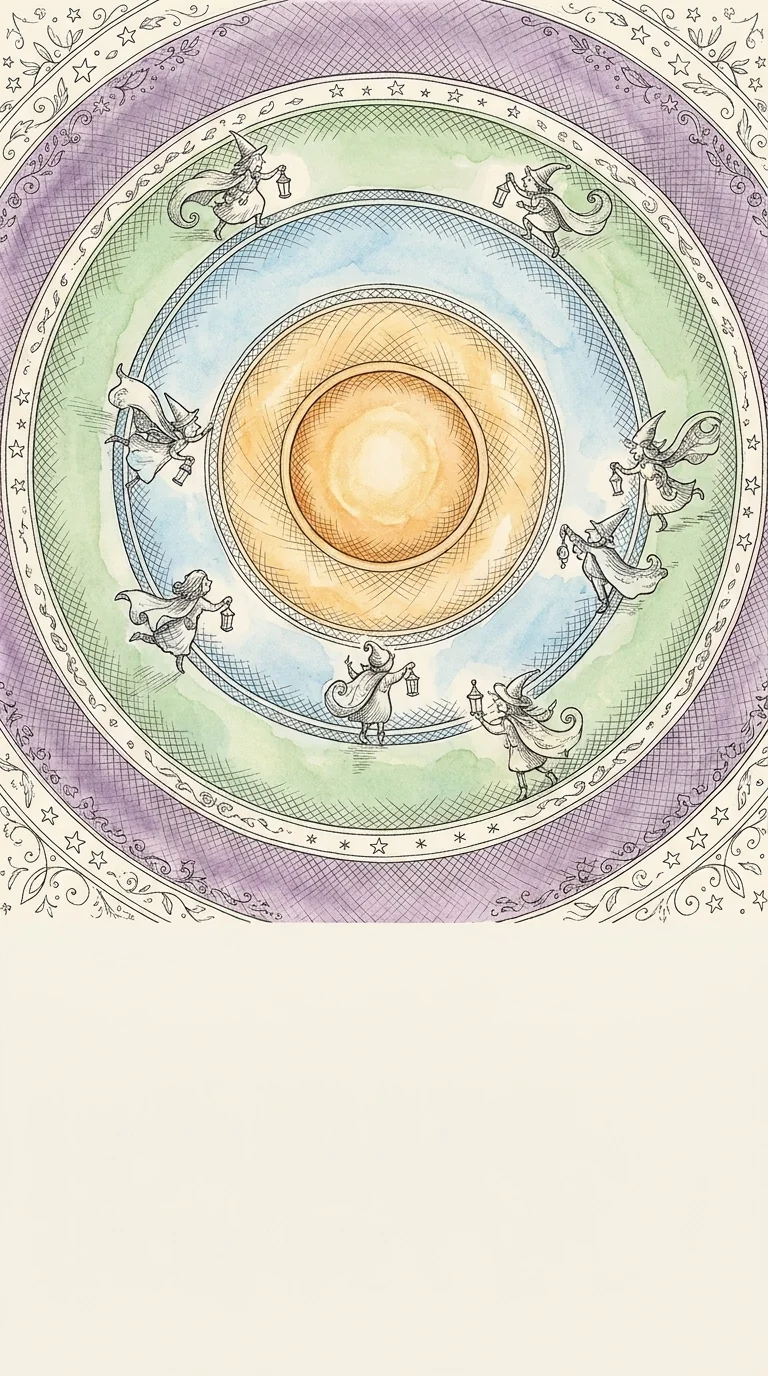
Every room is a map of social distance. The physical space between people carries meaning — and the person who understands that map can work it deliberately, not just inhabit it by accident.
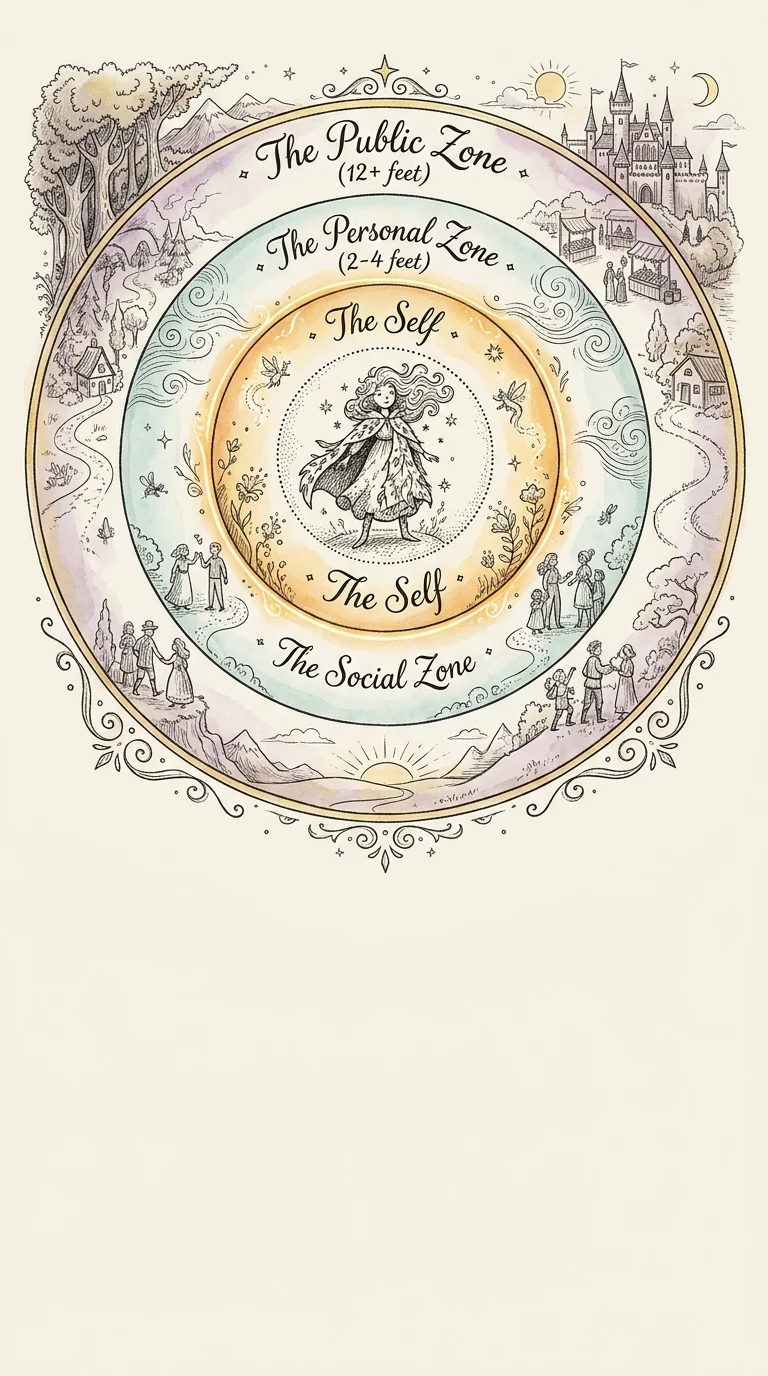
Four zones: public (7+ feet), social (4-7 feet), personal (2-4 feet), intimate (under 18 inches). Most business conversation belongs in the personal zone. Jumping too quickly to the intimate zone signals poor boundaries — regardless of intent.
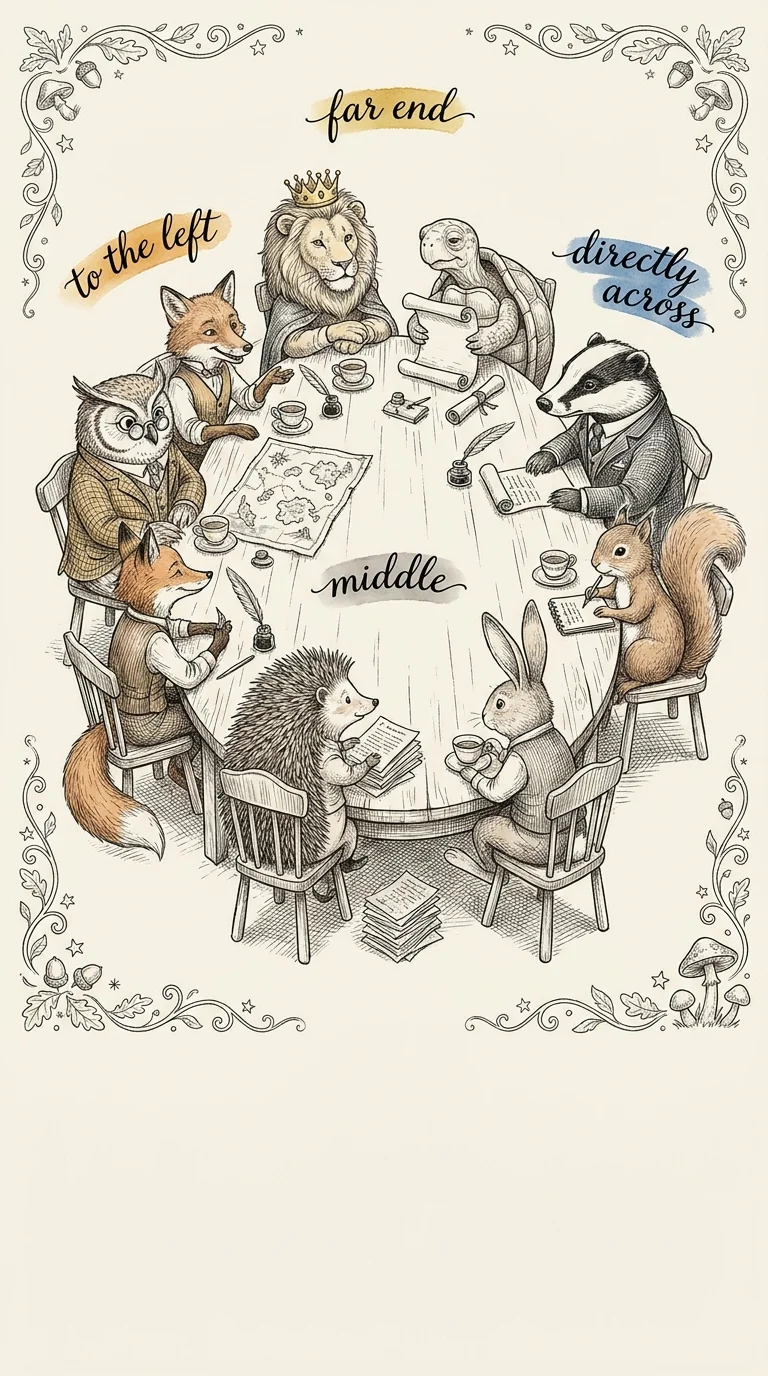
Meeting seat strategy: sitting to the left of the decision-maker is a classic flanking influence position — you're in their peripheral vision and close without being directly across. Directly across is the challenge seat — high visibility, higher scrutiny.
The farthest visible seat from the door — where you can see everyone entering — is traditionally the highest-status seat. Not always appropriate to take in someone else's domain, but worth knowing in neutral spaces.
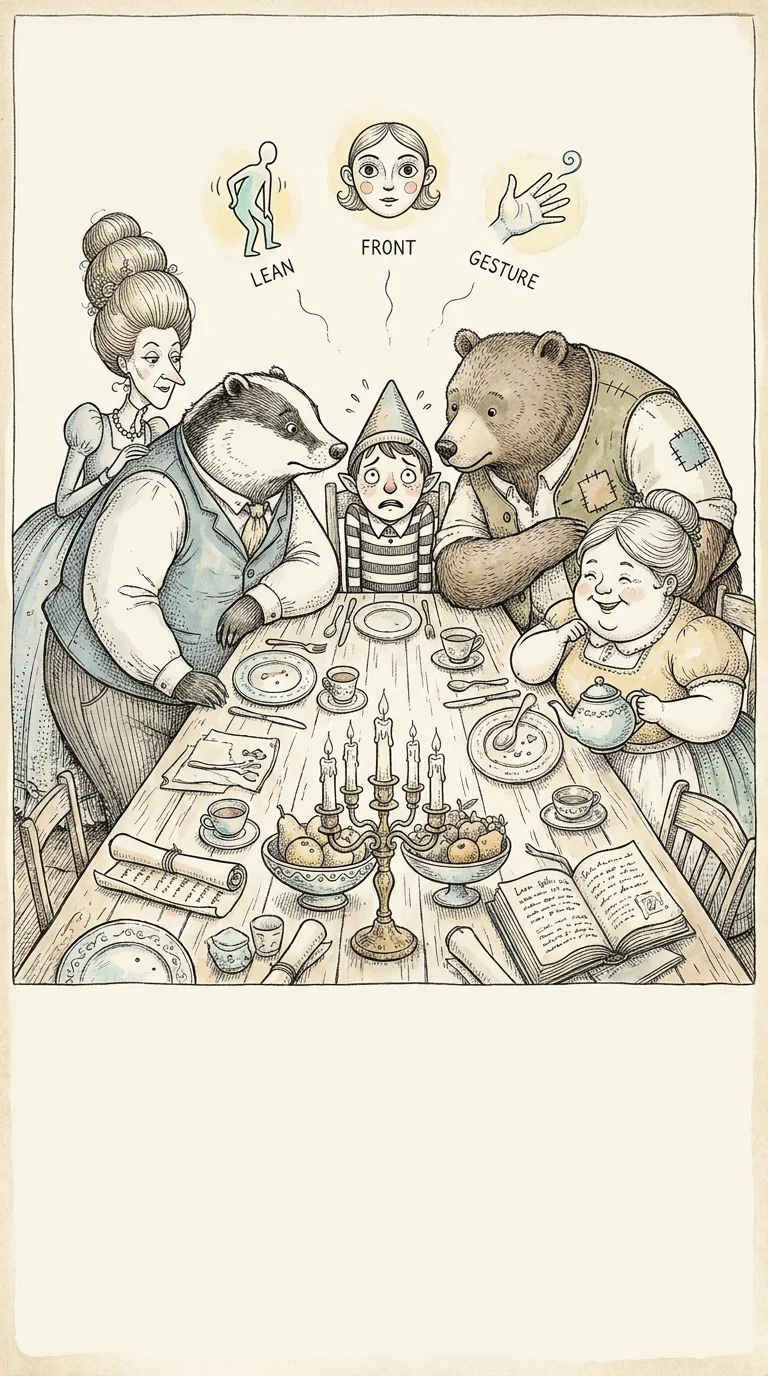
The middle of a long table is the least visible seat — you have to work harder to lean and front just to be seen. If you're in that seat, compensate with more deliberate fronting, leaning in, and gesture. The room won't do the work for you.
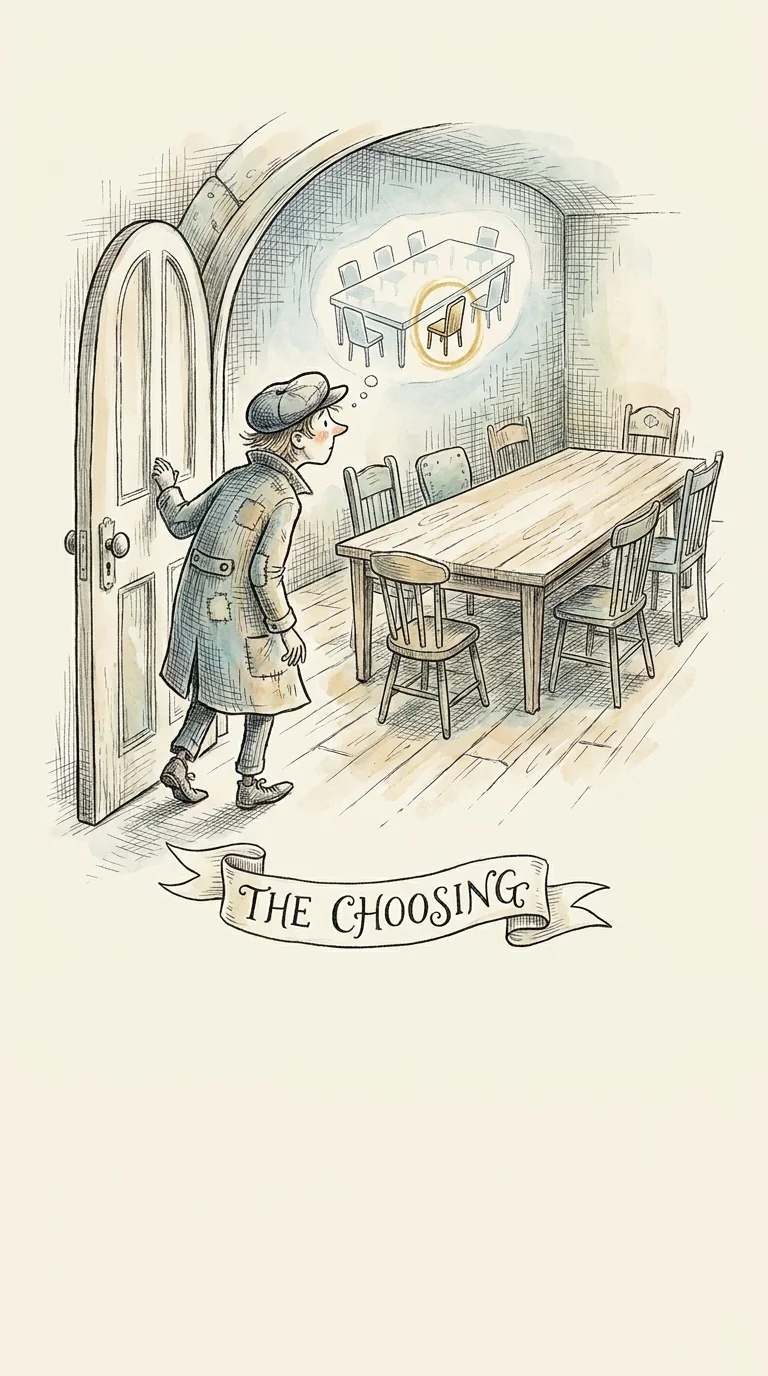
Today: before your next meeting, choose your seat deliberately — not by habit or default. Think about what position serves you. That single intentional choice changes what the room lets you do.