Power Speech — Cut the Hedges
Every hedged sentence costs you authority. 'I think maybe we could possibly consider...' is not humility — it's noise. Your actual idea is buried under six qualifiers that train the listener to discount what you say be
Part 1: Power Speech — Cut the Hedges
+5 XP on completion

Every hedged sentence costs you authority. 'I think maybe we could possibly consider...' is not humility — it's noise. Your actual idea is buried under six qualifiers that train the listener to discount what you say before you finish saying it.
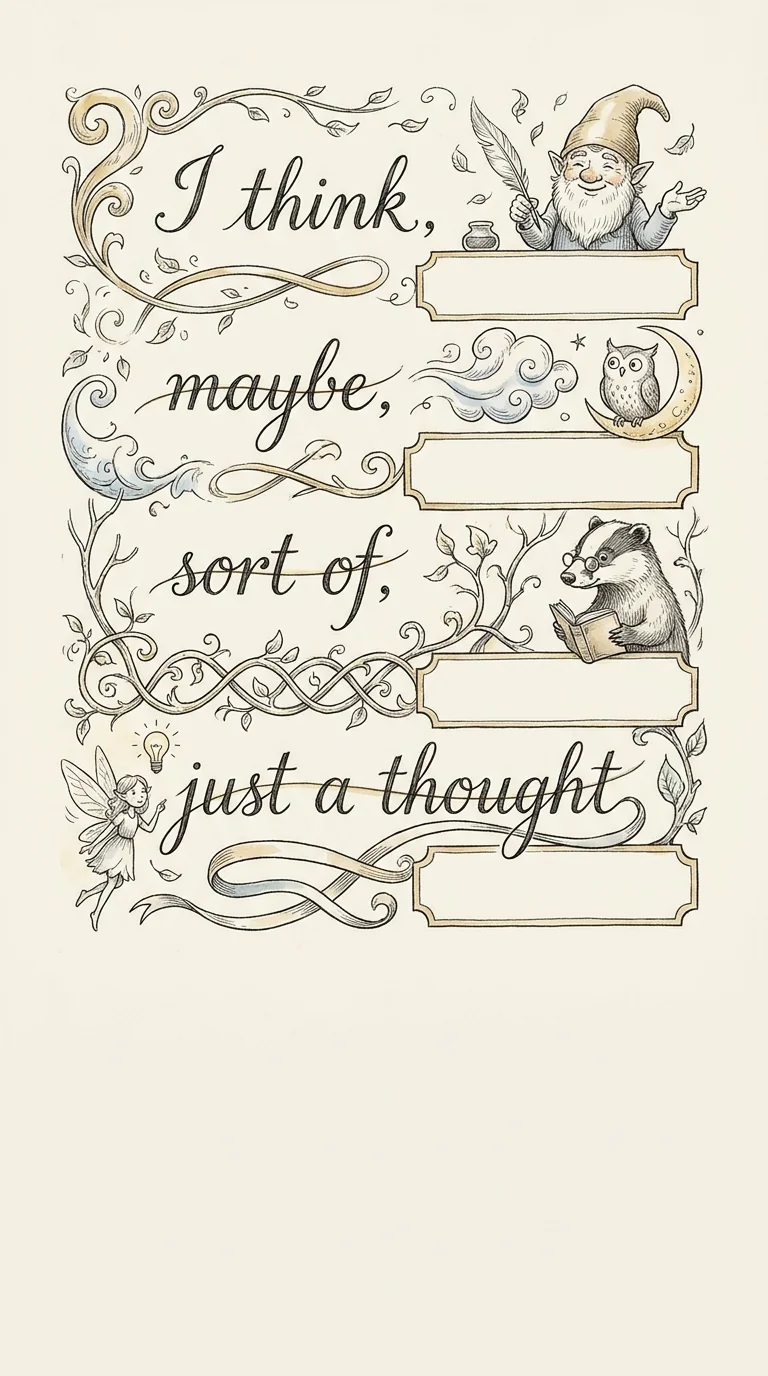
The most common hedges: 'I think,' 'maybe,' 'sort of,' 'kind of,' 'I'm not sure but,' 'this might be wrong but,' 'just a thought.' None of them add meaning. All of them subtract credibility.

Power speech is the replacement: make the claim. 'We should move in this direction.' 'I recommend the second option.' 'Here's what I'd do.' Direct claims, without the pile-on of qualifiers. You can always add nuance after — but lead with the position.

Direct speech is not arrogance. Arrogance is refusing to listen after you've spoken. Direct speech is simply: I respect you enough to tell you what I actually think, without making you dig for it.
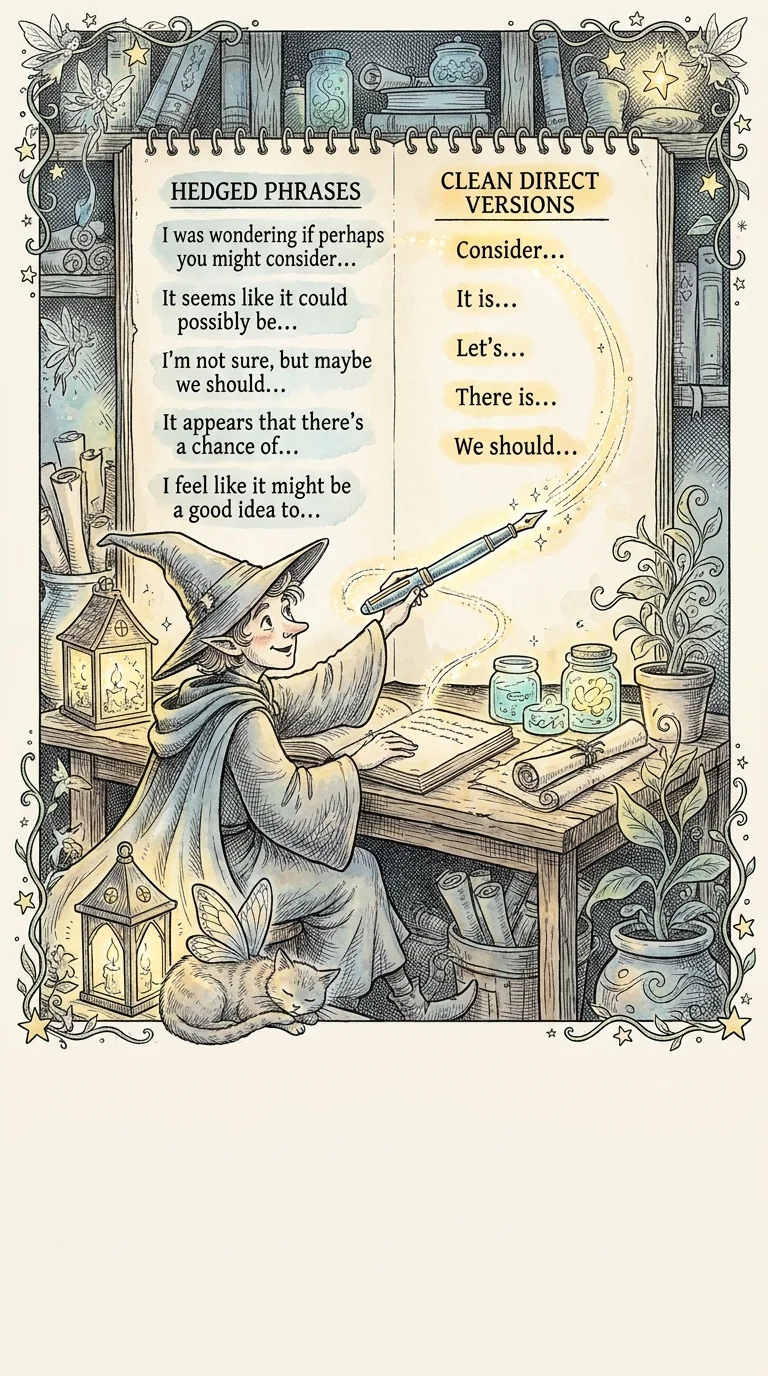
Write five sentences you say often that are hedged. Then rewrite each one as a clear direct claim. You don't need to use all five today — you need to know what the clear version sounds like so you can reach for it.

Today: in your next conversation, catch yourself hedging once and replace it with the clean claim. Just once. One direct sentence in the right moment can change how you're read in an entire meeting.
Part 2: Constructive Language — Every Sentence Builds
+10 XP on completion
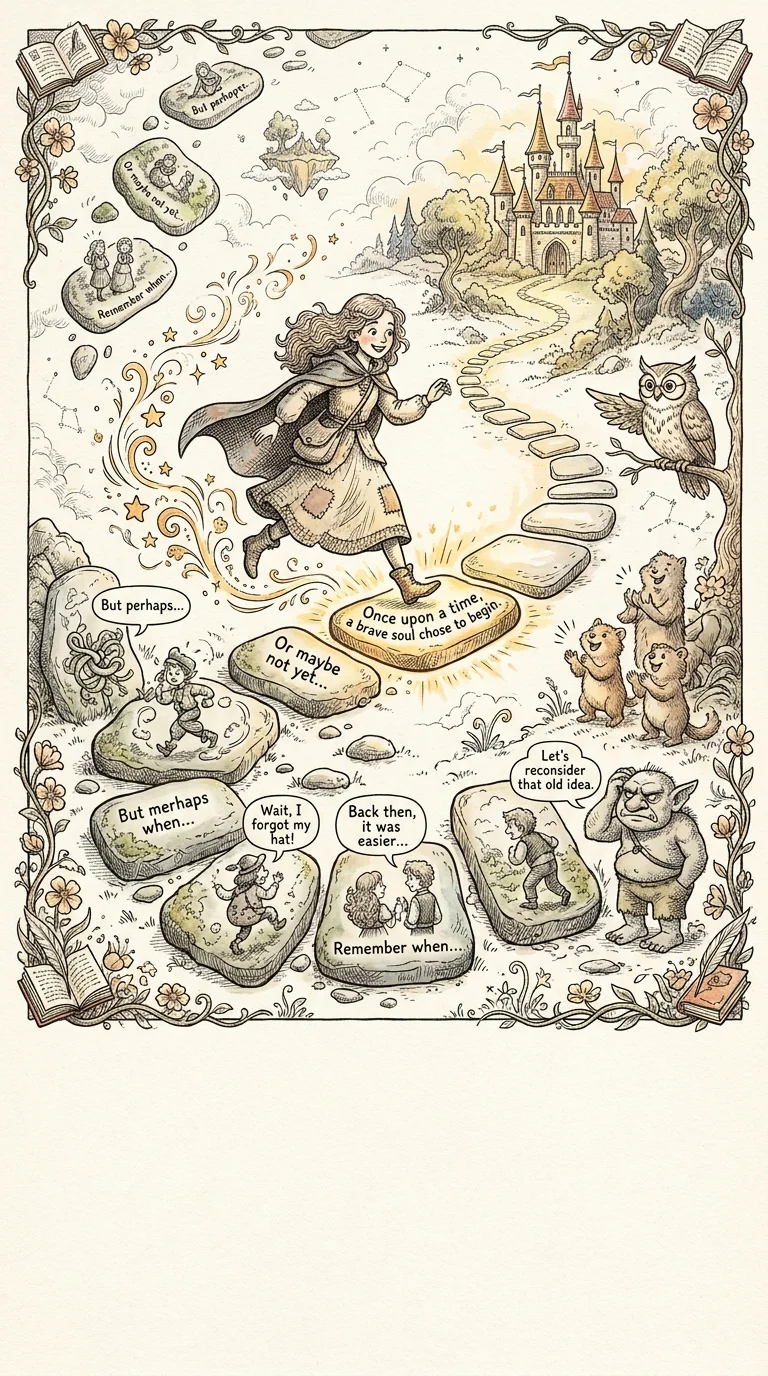
Power speech has a second component beyond directness: every sentence should move the conversation forward. Not sideways. Not backward. Each sentence has a job — if it doesn't move the point, it dilutes it.

The 'by which I mean' technique: when you make a claim, the next sentence should specify it, not just repeat it louder. 'This approach is faster. Specifically, it removes two handoff steps in the middle of the process.' Claim, then precision.

Numbered structures make you sound organized even when you're improvising: 'There are two things I want to say. First...' The number comes first and creates a cognitive container. The listener knows how much is coming and can prepare.

When you're complimented or challenged, the weak response is self-deprecation or defensive explanation. The constructive response is a simple acknowledgment and a pivot: 'Thank you — here's what that made possible.'

Avoid ending your points with a question when they're not questions: 'So I think that might be a good idea, right?' The 'right?' at the end is a request for permission. End your points as points, then invite response separately.
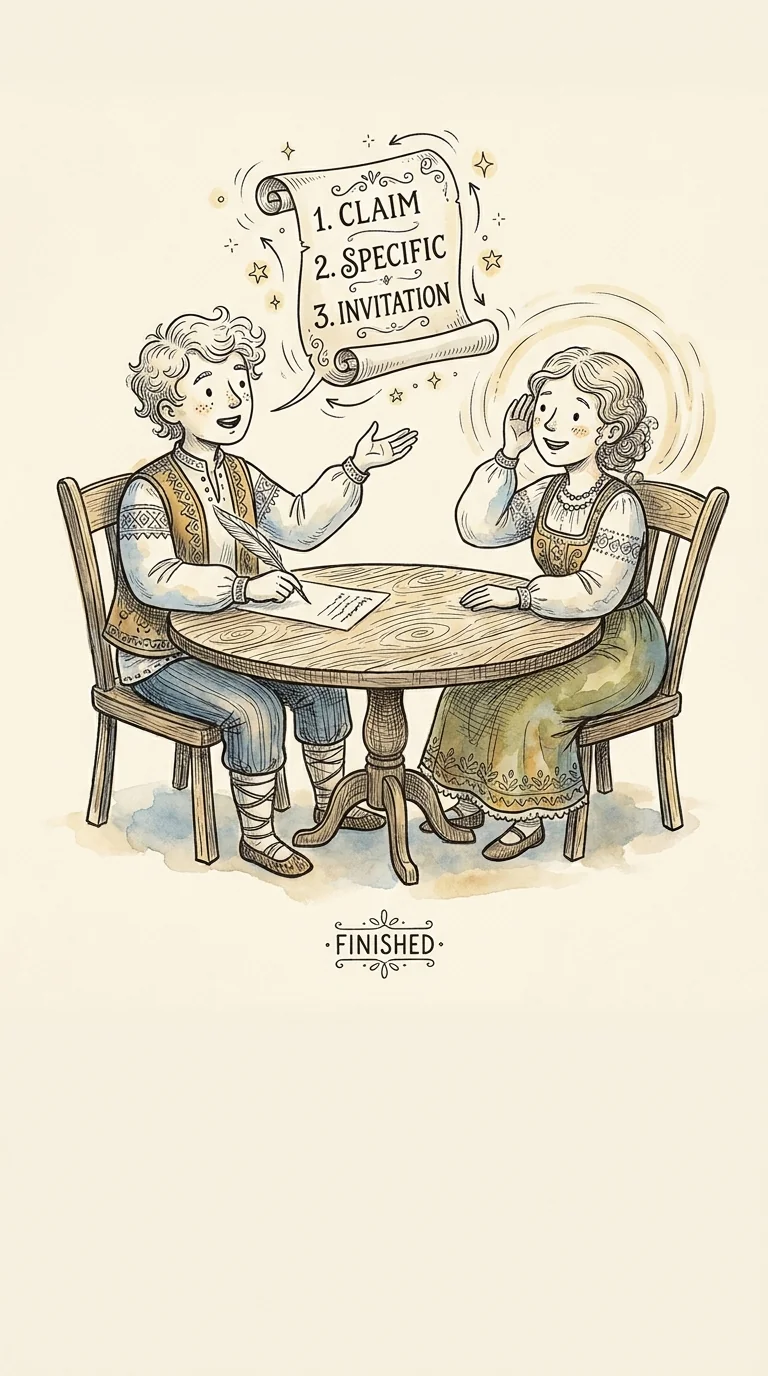
Today: in one conversation, practice the structure: make the claim, add one specific, invite the response. That's three sentences. Clean. Built forward. No trailing qualifiers, no trailing questions. See how it lands.