The Outbreath — Voice From the Ground Up
When people are nervous, they breathe up into the chest and speak from the top of their voice — thin, high, fast. When they're confident, they breathe into the belly and speak on the outbreath — lower, slower, ground
Part 1: The Outbreath — Voice From the Ground Up
+5 XP on completion

When people are nervous, they breathe up into the chest and speak from the top of their voice — thin, high, fast. When they're confident, they breathe into the belly and speak on the outbreath — lower, slower, grounded.
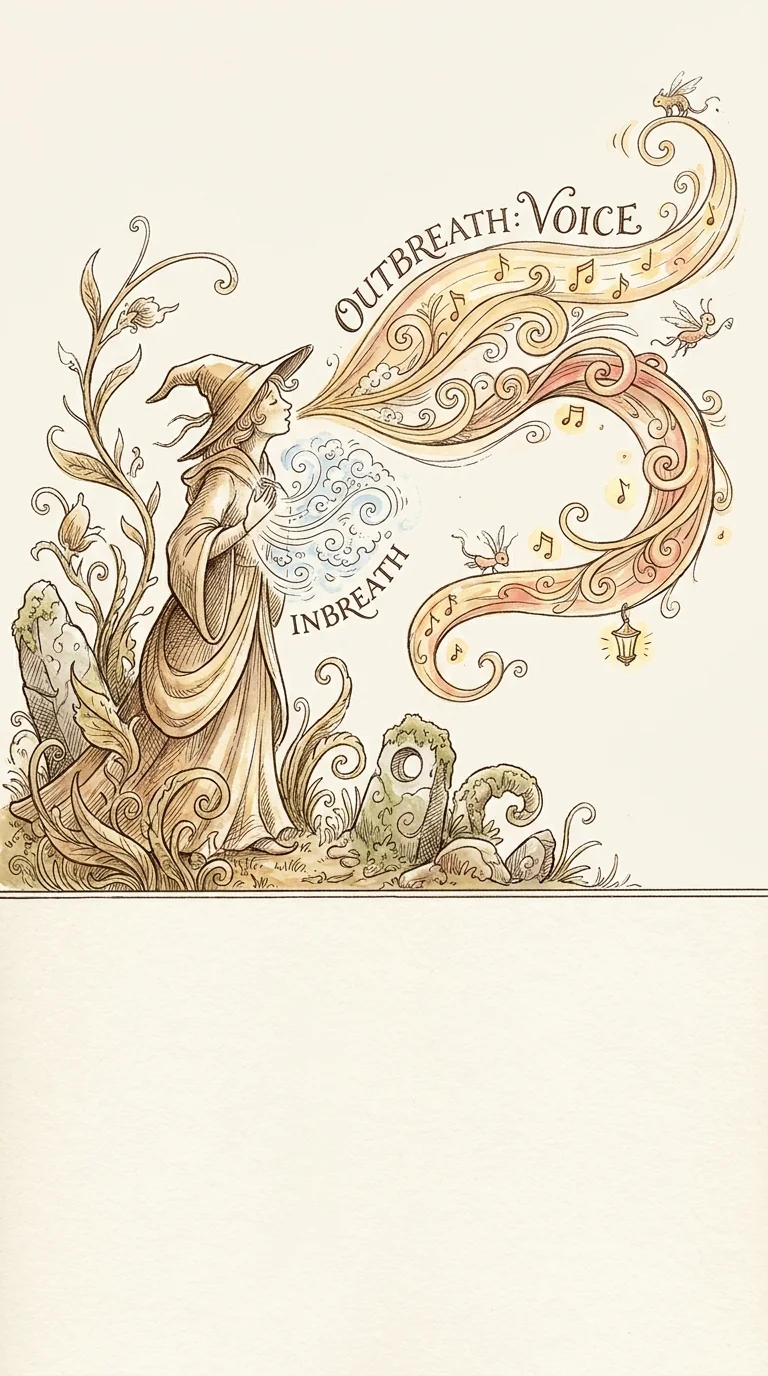
The outbreath technique: inhale before you speak, then begin speaking as you exhale. The outbreath naturally lowers pitch, slows pace, and increases volume — three things that make a voice sound confident, all at once.

Practice: say your name and one sentence about what you do, starting each word on an outbreath. 'Hello — [breath] — my name is — [breath] — and I work on...' Choppy at first. Natural quickly.

The most common place people forget the outbreath: the moment just before saying something important. Anxiety makes you want to rush past the pause — but that pause, and the breath in it, is what gives the sentence weight.

On a call or in a meeting, starting your contribution with a visible breath — not a gasp, just a soft inhale — signals that what you're about to say was considered. People lean in for a considered thought.
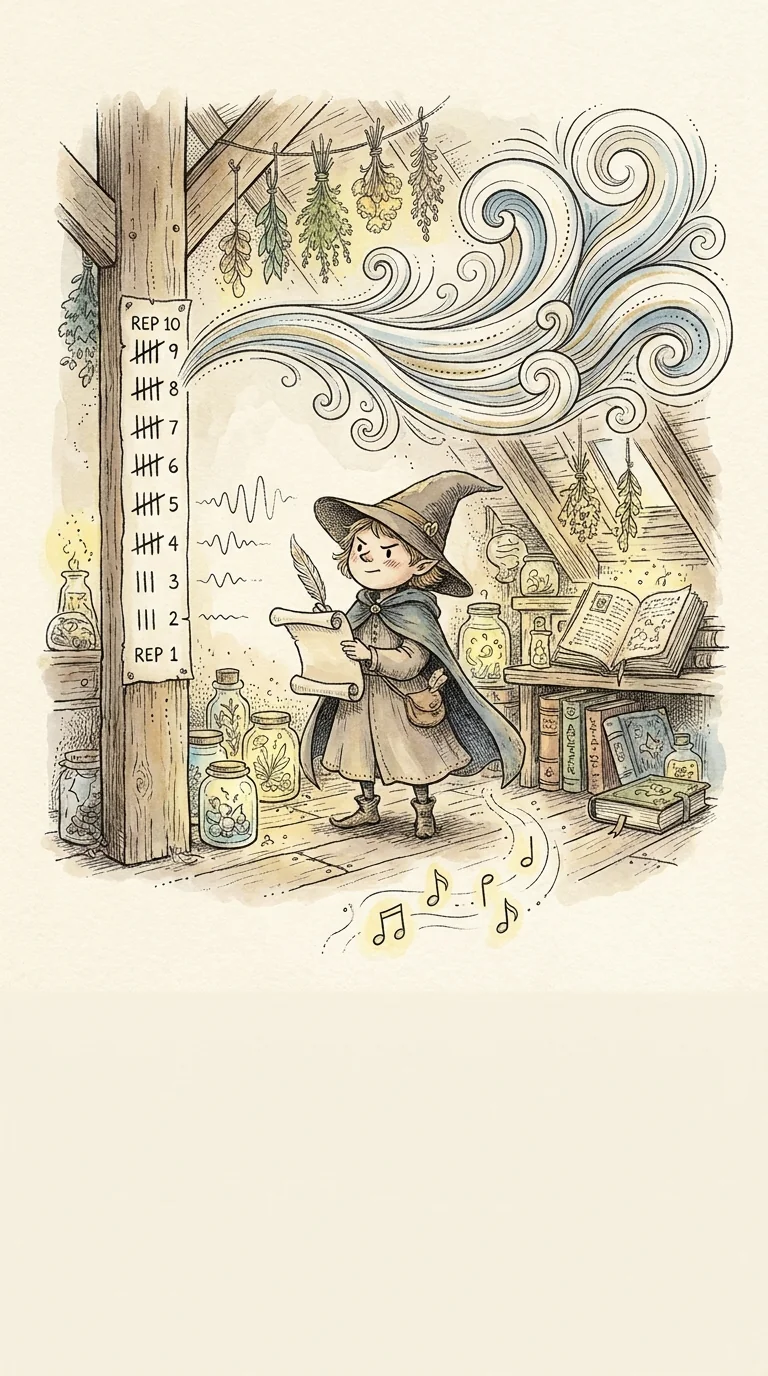
Today: say your name and what you do ten times, always starting with the outbreath. It feels mechanical at first and natural by the tenth rep. That's the whole drill. Two minutes of practice with real transfer.
Part 2: Downward Inflection — Own Your Statements
+10 XP on completion
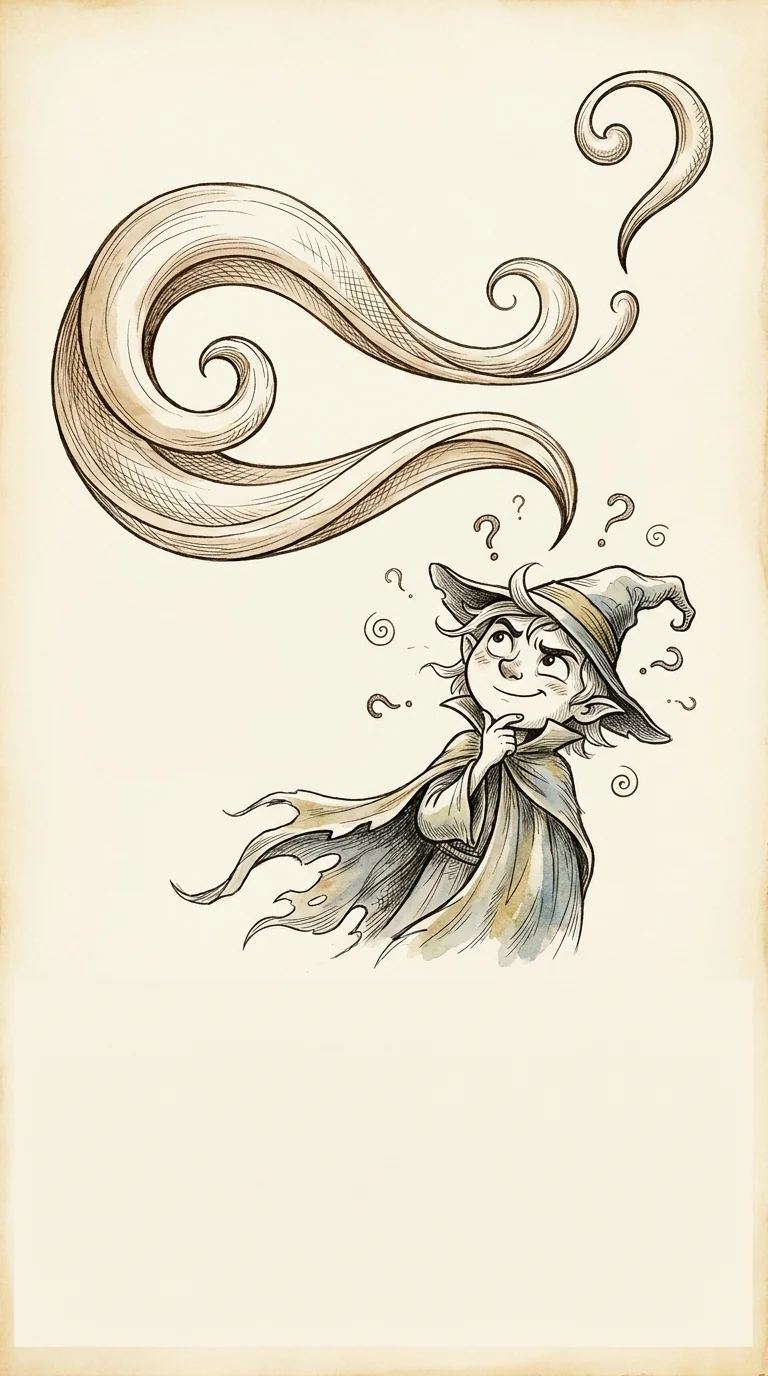
Uptalk is when your voice rises at the end of a statement: 'We finished the report?' said like a question when it's a fact. It plants doubt in the listener — if you're not sure it's true, why should they be?

Downward inflection is the opposite: the voice settles at the end of a sentence. 'We finished the report.' Period. It signals certainty — you know this, you stand behind it, no confirmation needed.
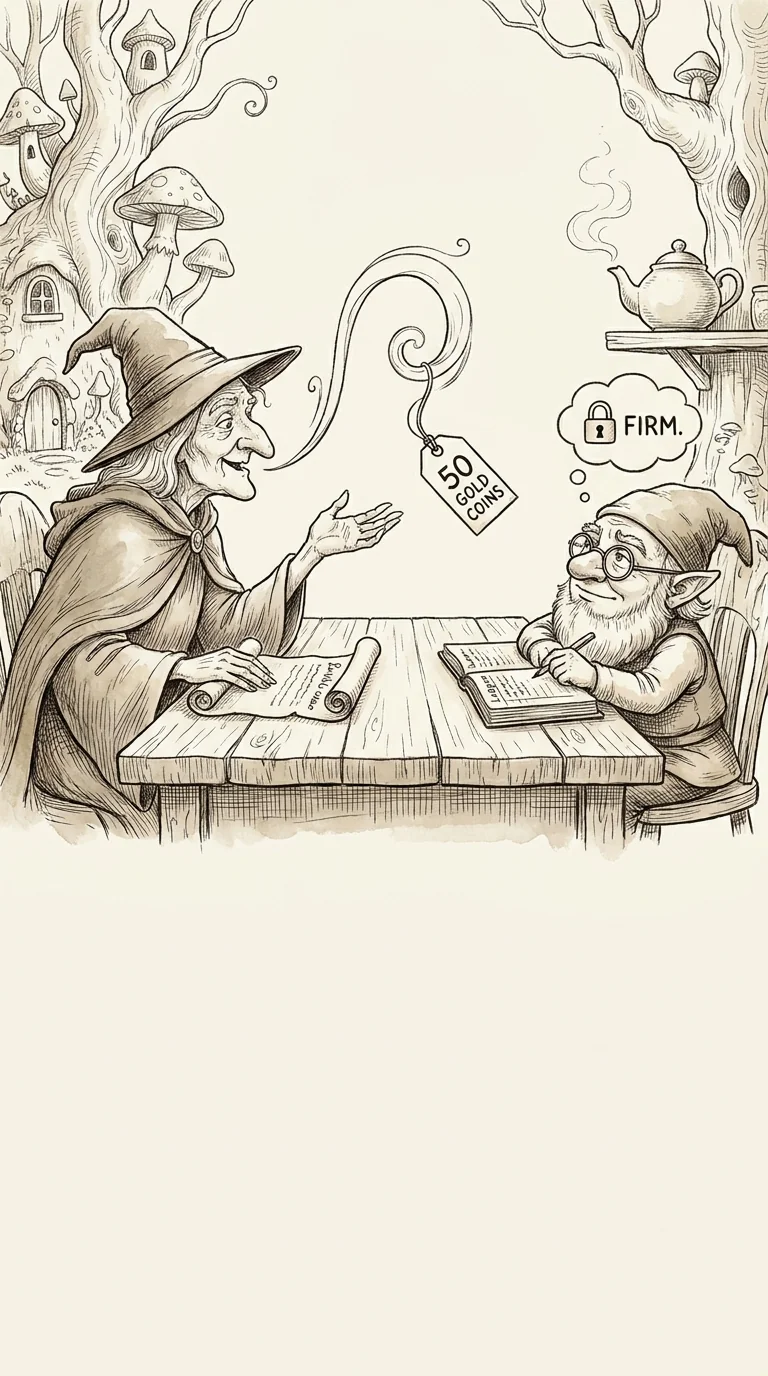
The moments that matter most for downward inflection: stating a price, a deadline, a boundary, or a recommendation. These are the moments where an upward voice signals that the number or position is negotiable when it isn't.
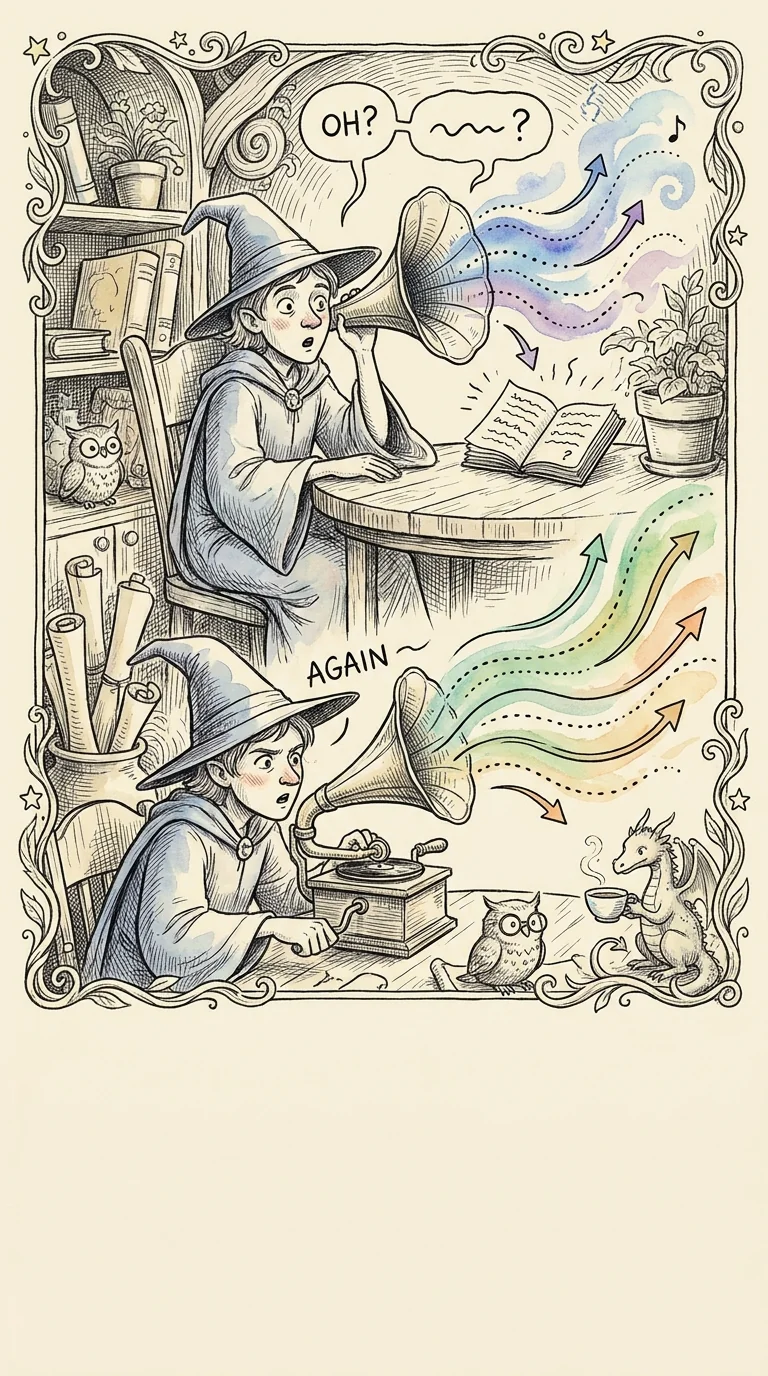
Recording yourself is the fastest way to hear your inflection patterns. What sounds confident in your head often sounds tentative on playback. Most people are shocked at how much uptalk they use — and equally shocked at how quickly they can fix it.
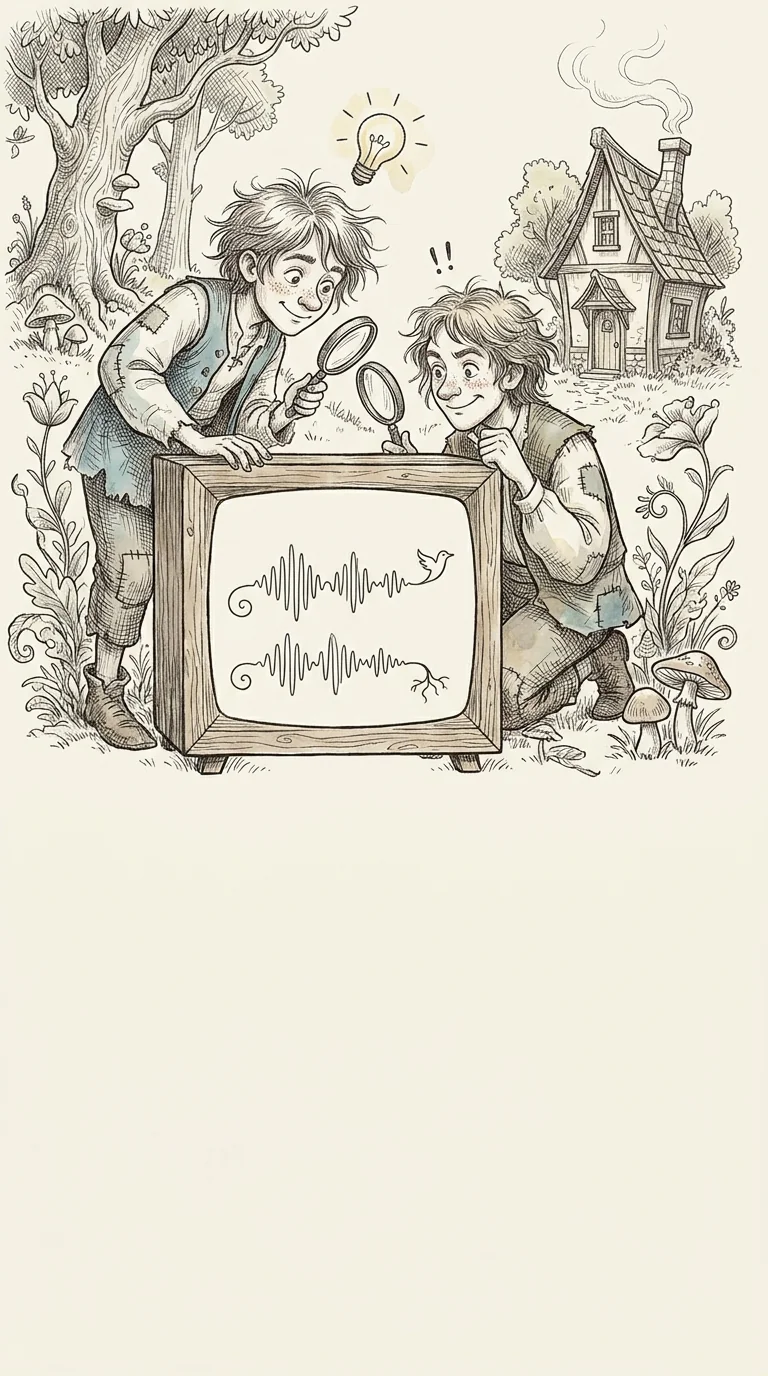
The practice: record five statements as uptalk. Then record them again with downward inflection. The contrast is often startling — and the improved version comes naturally once you hear the difference side by side.
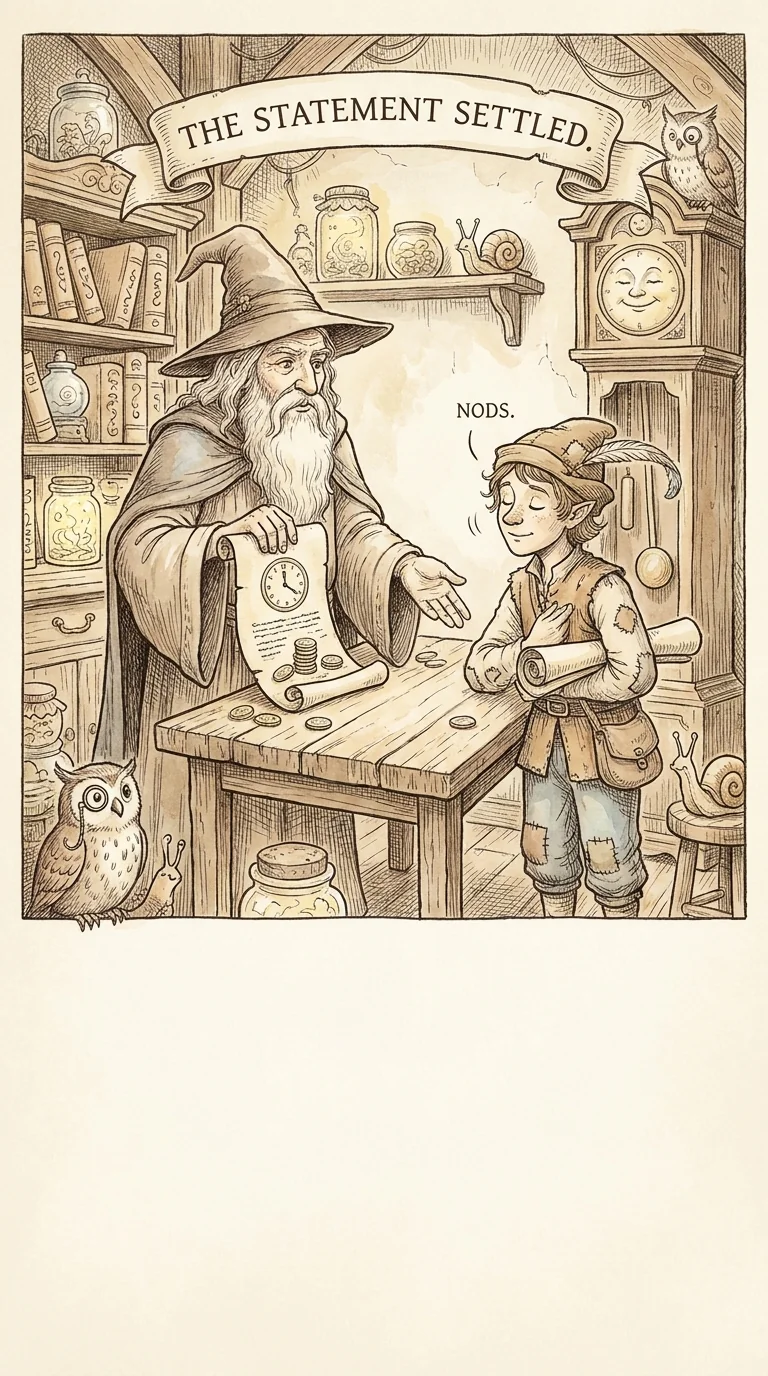
Today: say one price, deadline, or clear statement with deliberate downward inflection. Just once, for real, in an actual interaction. Notice how it changes the weight of what you said.