Vocal Fry — The Fix
Vocal fry is the creaky, raspy quality that appears at the end of sentences when breath support runs out. It signals — falsely — that you're either too tired to care or too uncertain to hold the sentence through its
Part 1: Vocal Fry — The Fix
+5 XP on completion
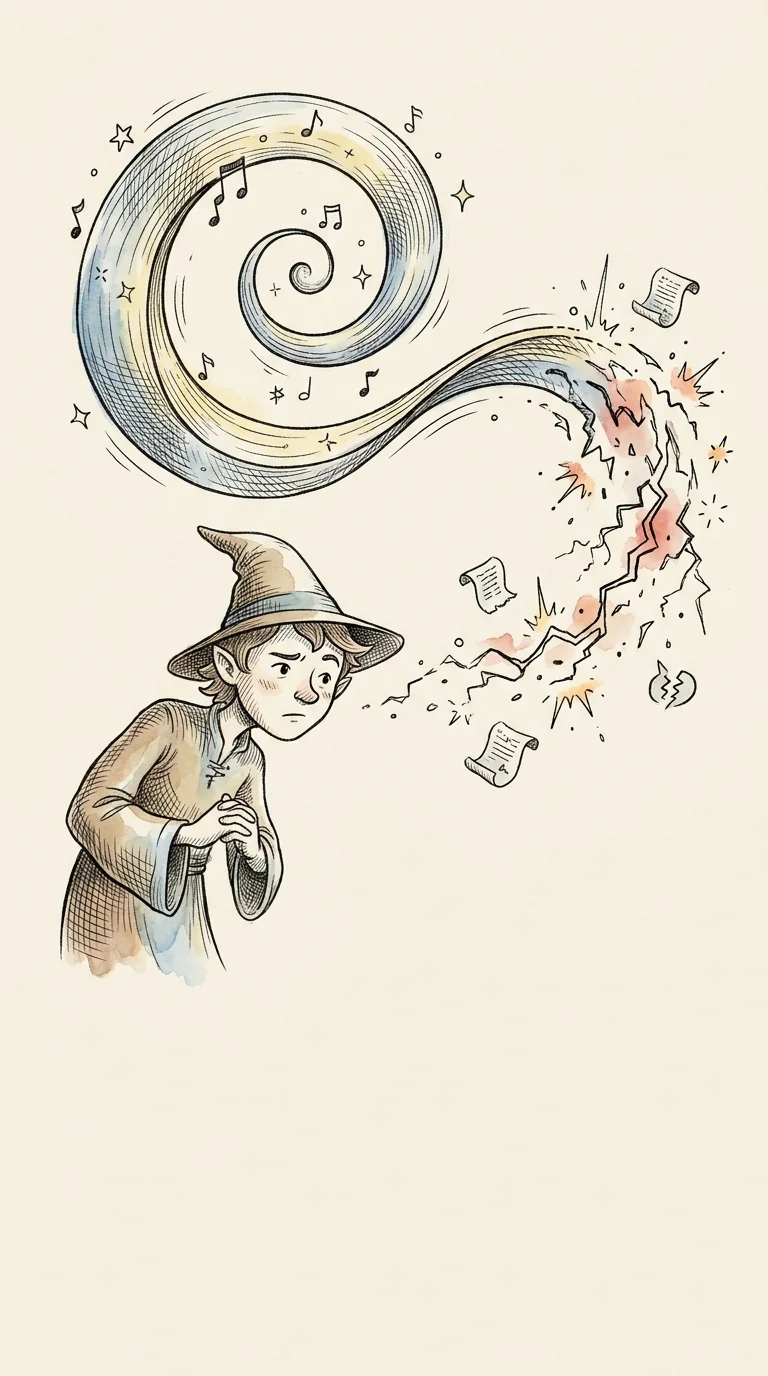
Vocal fry is the creaky, raspy quality that appears at the end of sentences when breath support runs out. It signals — falsely — that you're either too tired to care or too uncertain to hold the sentence through its ending.
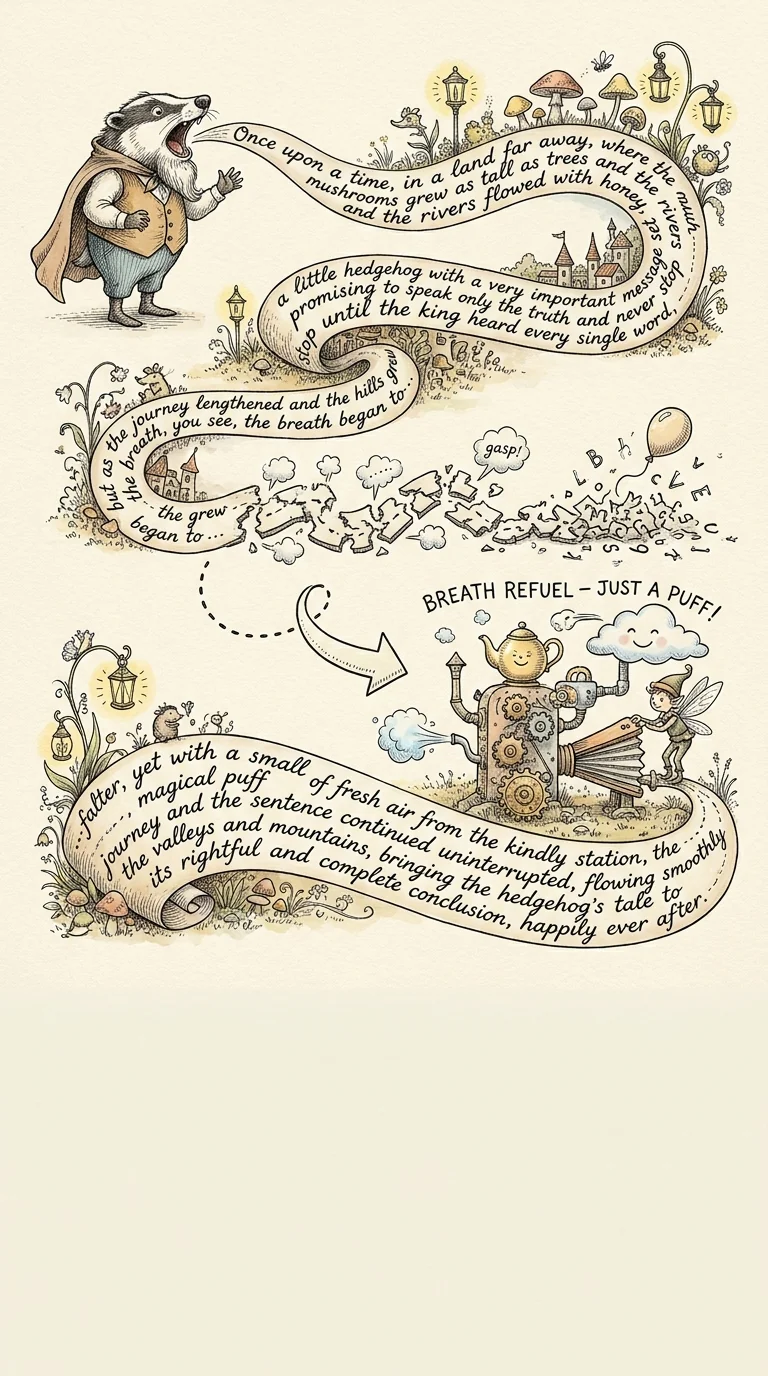
The cause is simple: you run out of breath before you run out of sentence. The fix is equally simple: shorten your sentences or add breath support at the point where your voice starts to fade.
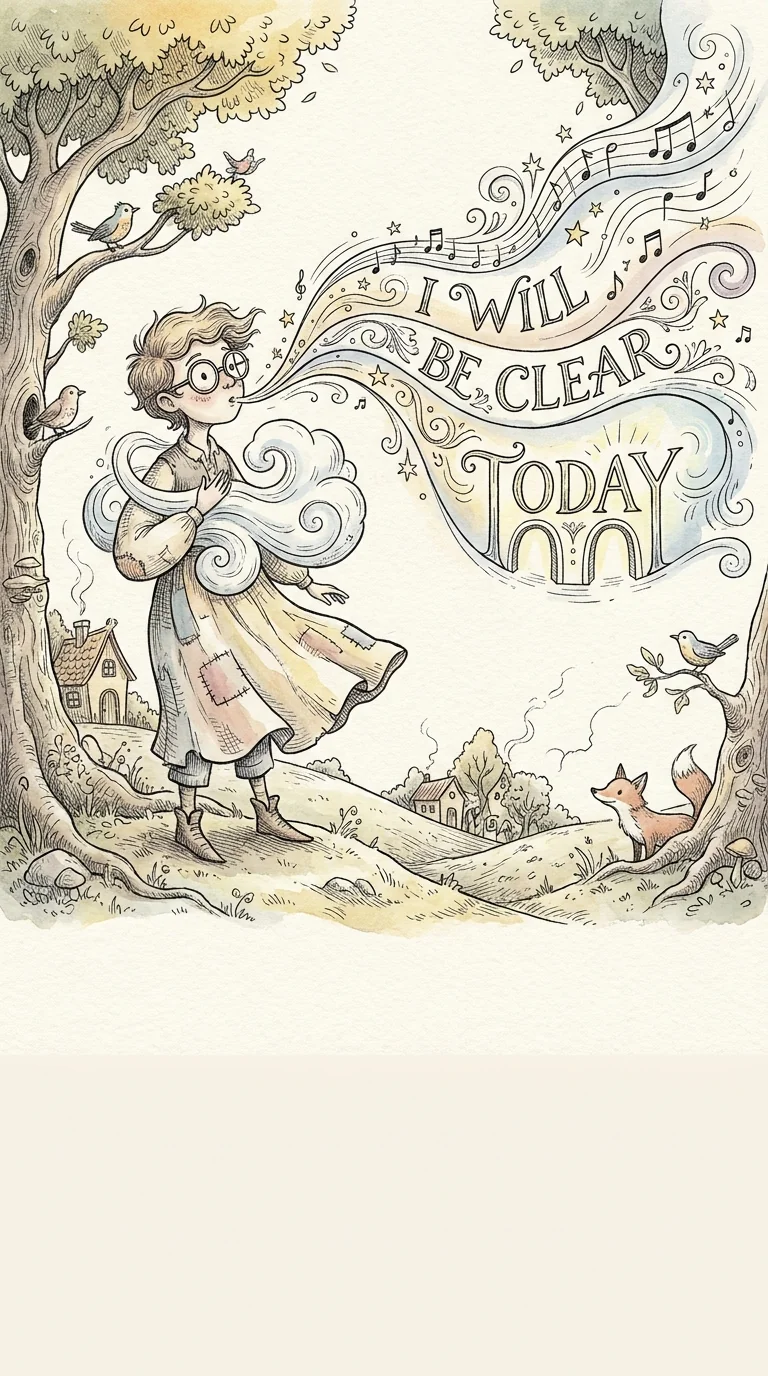
The vocal fry correction drill: exhale fully, then inhale completely. Say 'Hello, how are you today' — all the way to 'today' — on breath support. The voice should stay clear and consistent through the final word.

Vocal fry is most common at the ends of sentences. The strategy: put your most important word last, then make sure you support the voice through it. Don't let the key word crumble right as it's supposed to land.
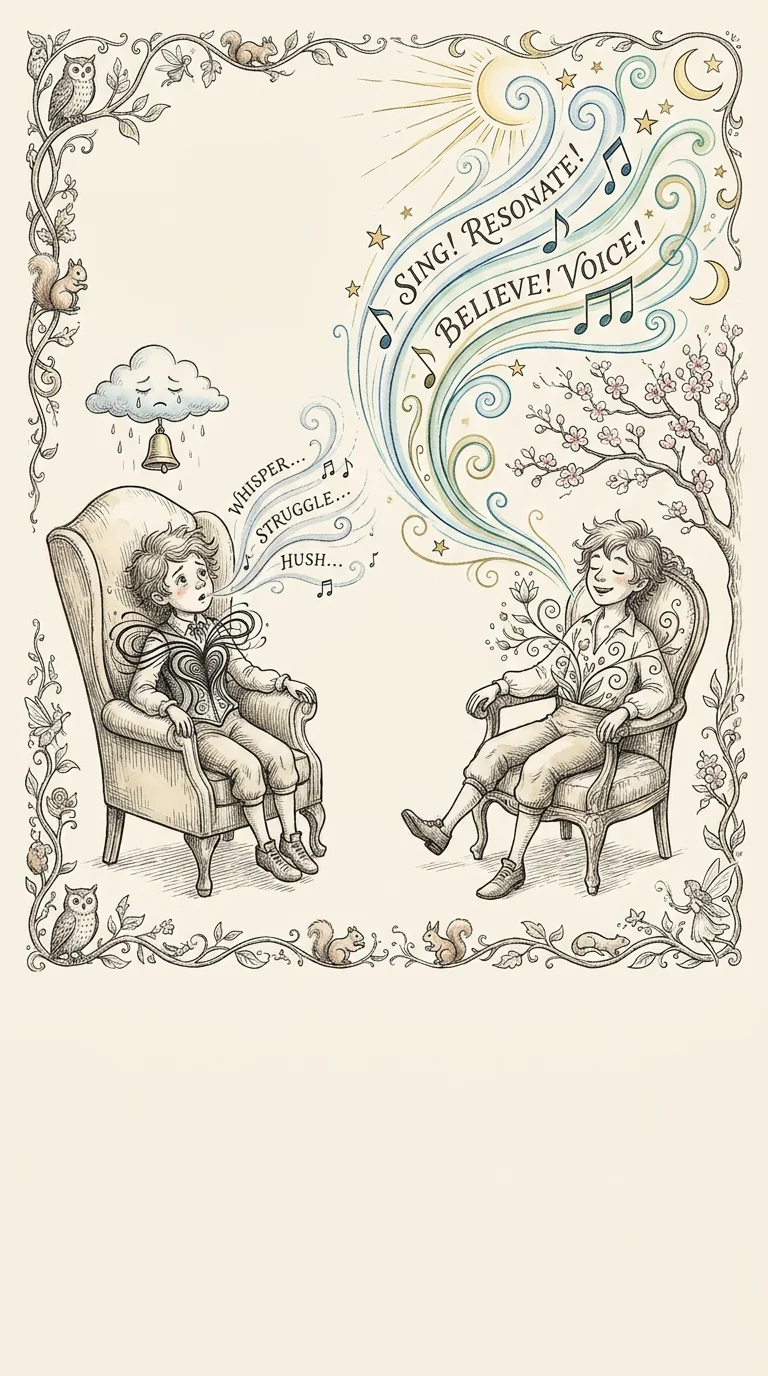
Posture helps more than most people expect. Slumped shoulders compress the diaphragm and reduce breath capacity. Standing or sitting with the torso open gives your lungs room to fully support the voice.
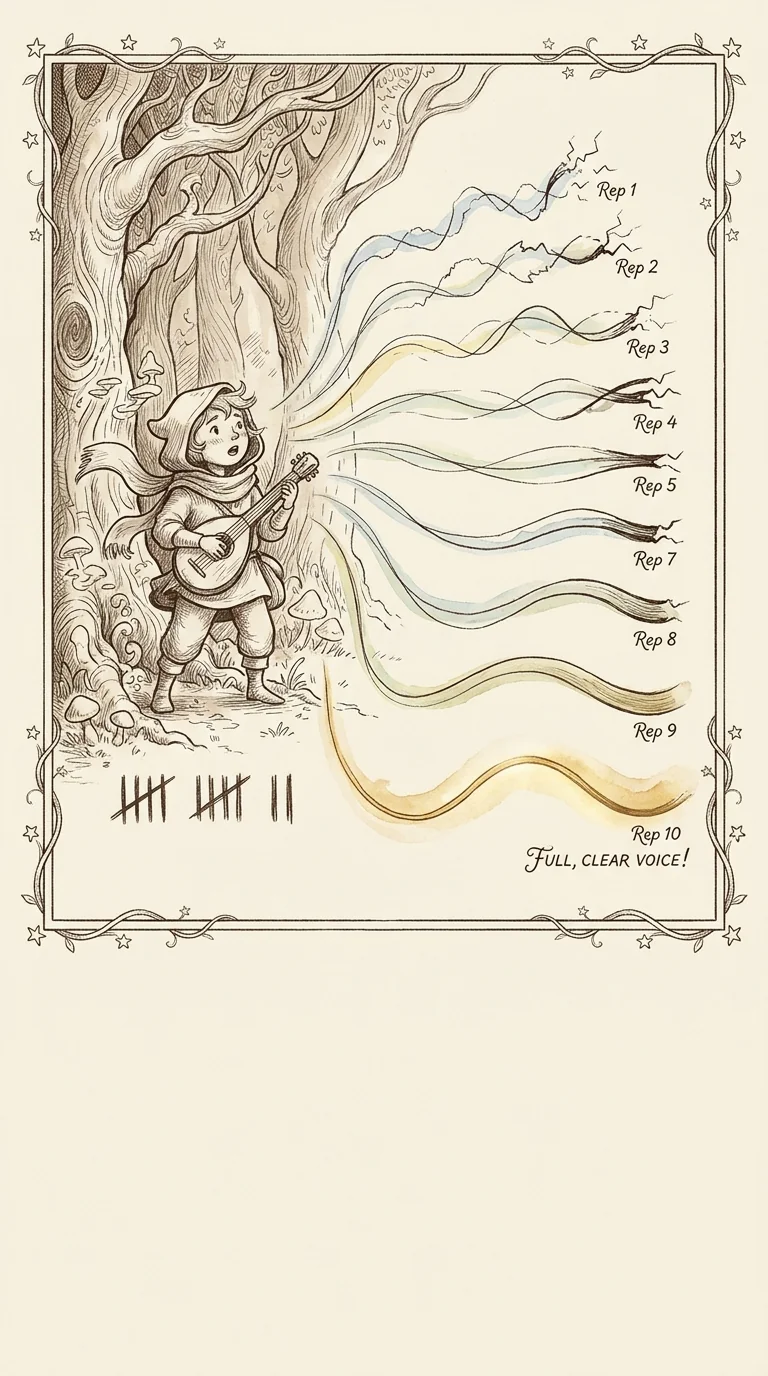
Today's drill: say your name, your role, and one key point on full breath support — from the first syllable to the last. Ten times. By the tenth, your voice should be carrying through the whole sentence without any trailing crackle.
Part 2: The Pause — Silence as Signal
+10 XP on completion
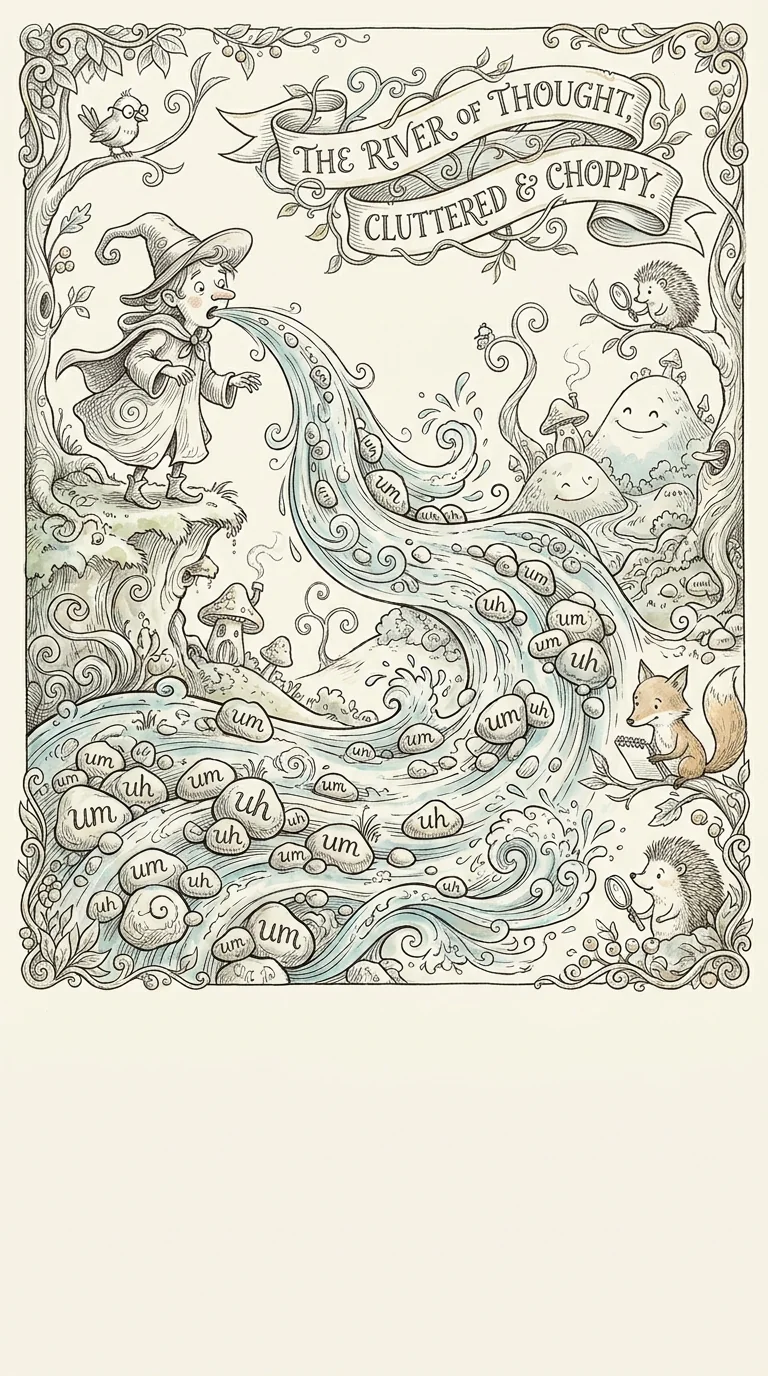
Filler words — um, uh, like, you know, right, so — are what happen when you're afraid of silence. They plug the gap between thoughts. They're not mistakes of stupidity; they're responses to an anxiety that silence is wrong.

Silence is not empty. A one-second pause after a key point is the nonverbal equivalent of a paragraph break. It tells the listener: that was the point. Let it land. It also tells them you're confident enough to stop and let the idea exist.
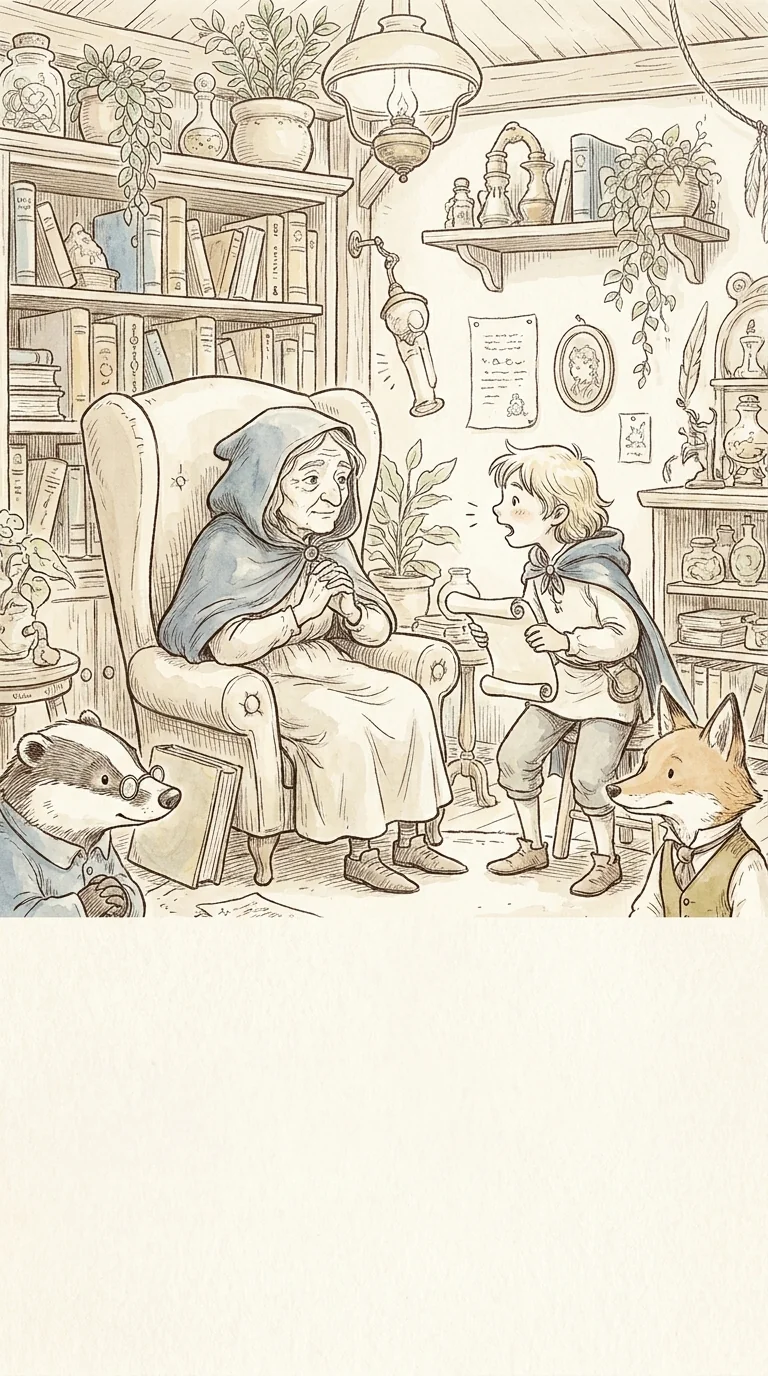
The hardest pause to hold is before answering a difficult question. The instinct is to fill immediately with 'Well, that's a great question...' — which wastes time and signals you weren't sure. Instead: pause. Think. Then answer. The pause tells the room you take the question seriously.
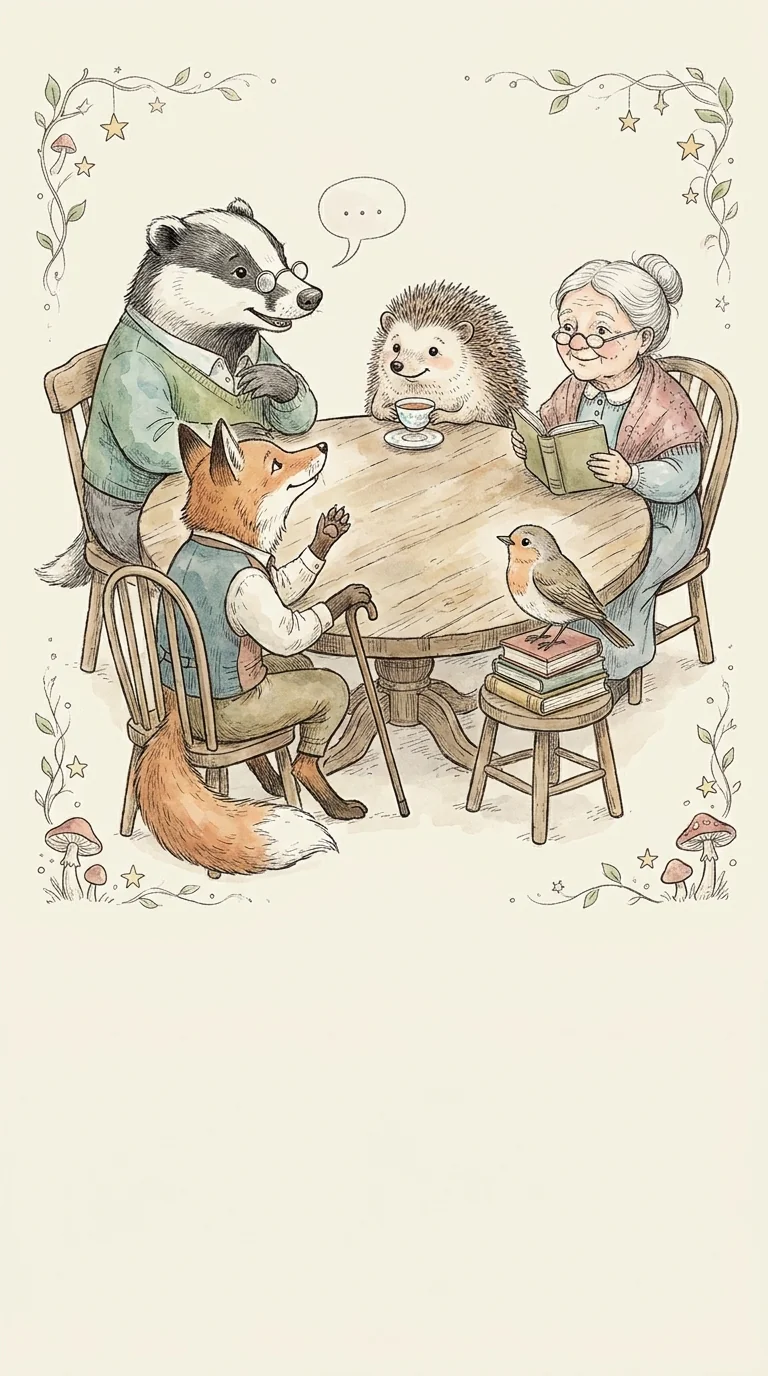
The pause before speaking on a call or in a meeting is also a tool for stepping into a conversation without talking over someone. When you pause one beat before joining, your arrival registers as deliberate, not accidental.

Counting isn't the goal — it's a training tool. In real conversation, the right pause length is a beat of breathing, not a measured interval. The feel is: I finished that sentence completely, now I'm beginning a new one.
Today: answer three imagined hard questions out loud — on your own, in private — with a deliberate one-second pause before speaking. Then find one real moment today to use the same pause before a real answer.