Vocal Variety — Breaking Monotone
A monotone voice is the fastest way to lose an audience without saying anything wrong. Listeners stop tracking the meaning when the delivery doesn't signal that anything matters more than anything else.
Part 1: Vocal Variety — Breaking Monotone
+5 XP on completion

A monotone voice is the fastest way to lose an audience without saying anything wrong. Listeners stop tracking the meaning when the delivery doesn't signal that anything matters more than anything else.

Vocal variety has three tools: volume (loud to quiet), pace (fast to slow), and pitch (high to low). You don't need all three at once. You need to move one of them at the right moment — and that movement does the work.

Slow down at the most important phrase. Speeding up builds energy; slowing down signals gravity. The moment where you want the listener to lean in is the moment to slow down, not rush through.

Go quieter to command attention, not louder. A sudden drop in volume pulls listeners in because the brain registers the change as significance. Leaders know this: the whispered point often lands harder than the shouted one.

Go louder at numbers, prices, deadlines, and boundaries. This is the opposite of the fading voice. The most important specific information in your sentences should receive a slight volume increase — not shouting, just support.

Today's vocal warm-up — two minutes: Yawn once to open the jaw. Say 'hello' at the top of an inbreath. Say 'hello' on the outbreath. Say your key message slowly, then fast, then at normal pace. Notice what each version sounds like.
Part 2: Voice When You're Most Nervous
+10 XP on completion

Your voice knows when you're nervous before you do. It speeds up, rises in pitch, and fades at the ends of sentences — all before you've consciously registered that you're anxious. This is why voice management starts before the conversation.
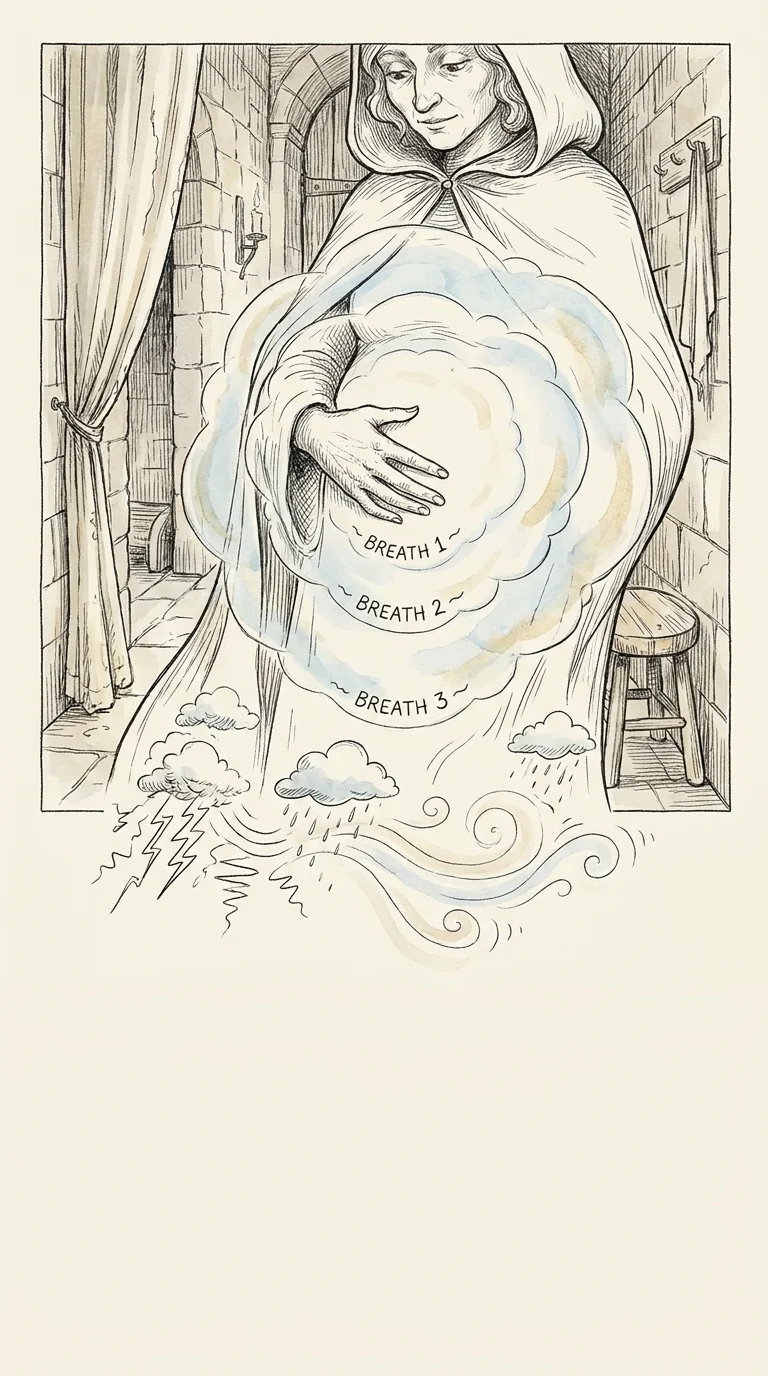
The body hack for a nervous voice: put one hand on your belly before you speak and take three slow belly breaths. You can't simultaneously activate the anxiety response and the relaxation response. Belly breathing wins.

The 'I'm excited' reframe: nervousness and excitement are physiologically nearly identical. Before a high-stakes presentation, say out loud: 'I'm excited.' Not 'I'm calm' — that's suppression. Excitement channels the adrenaline into energy.

In the middle of speaking: if your voice is speeding up, the fix is deliberate. Slow down on the next sentence. Not gradually — just start the next one slower. Speed creates a runaway effect; one slow sentence breaks it.

When your voice rises in pitch under pressure: the outbreath technique from Day 16 is your tool. A full breath before the next sentence drops the pitch naturally without effort or performance.
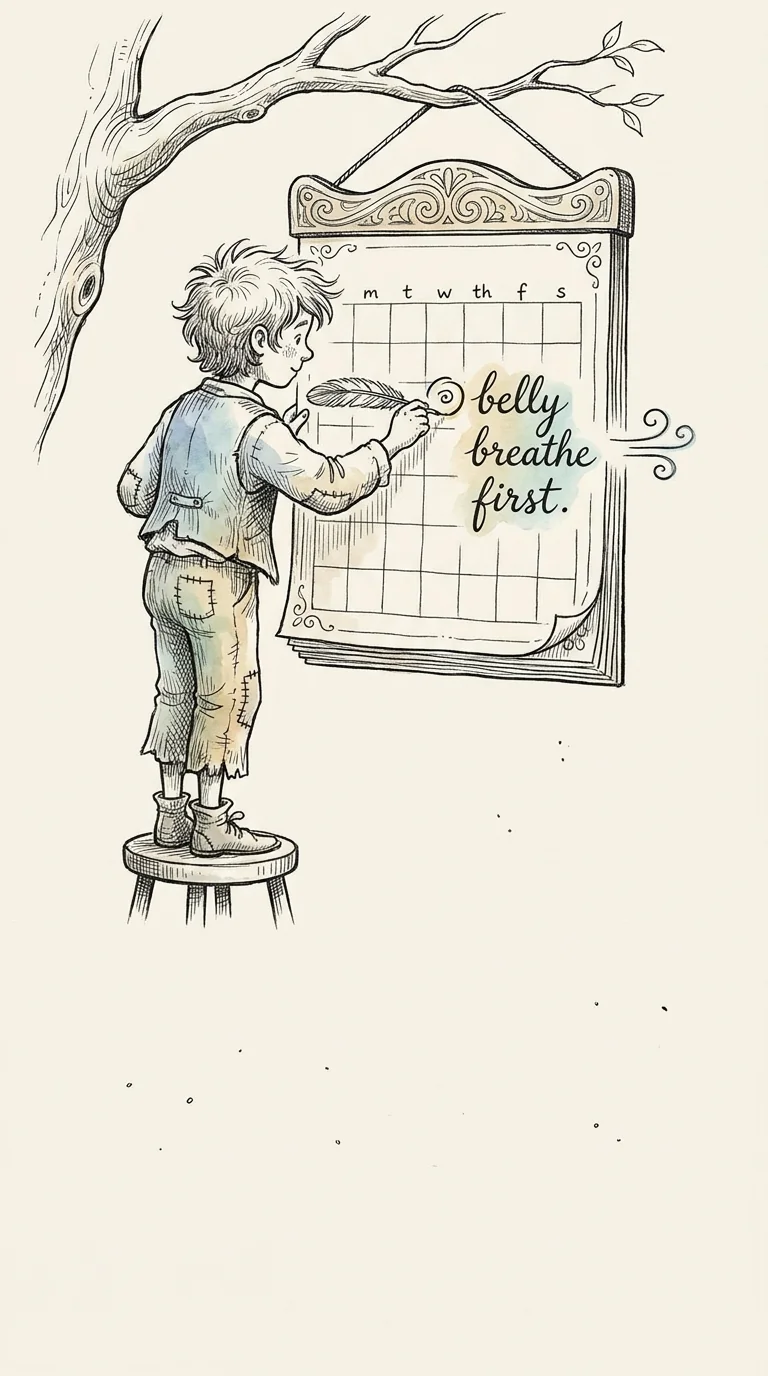
Today: identify the next high-stakes speaking moment on your calendar. Plan to use belly breathing before it. That's the prep. The technique already works — you just have to remember to use it.