Fronting — Full-Body Attention
Fronting is one of the five power moves of influential people: pointing your toes, torso, and head all in the same direction — toward the person speaking. It's full-body attention, and the speaker feels it before they
Part 1: Fronting — Full-Body Attention
+5 XP on completion

Fronting is one of the five power moves of influential people: pointing your toes, torso, and head all in the same direction — toward the person speaking. It's full-body attention, and the speaker feels it before they notice it.

The opposite — body turned away while eyes stay forward — is one of the most common signals of disengagement. You're technically looking at someone but physically pointing somewhere else. The body never lies about where attention actually is.

Fronting in a group: the person you front toward is the person you're signaling as the most important voice in the room. Powerful people use this deliberately — they front toward the person they want to hear more from, and away from the person they're signaling to yield.
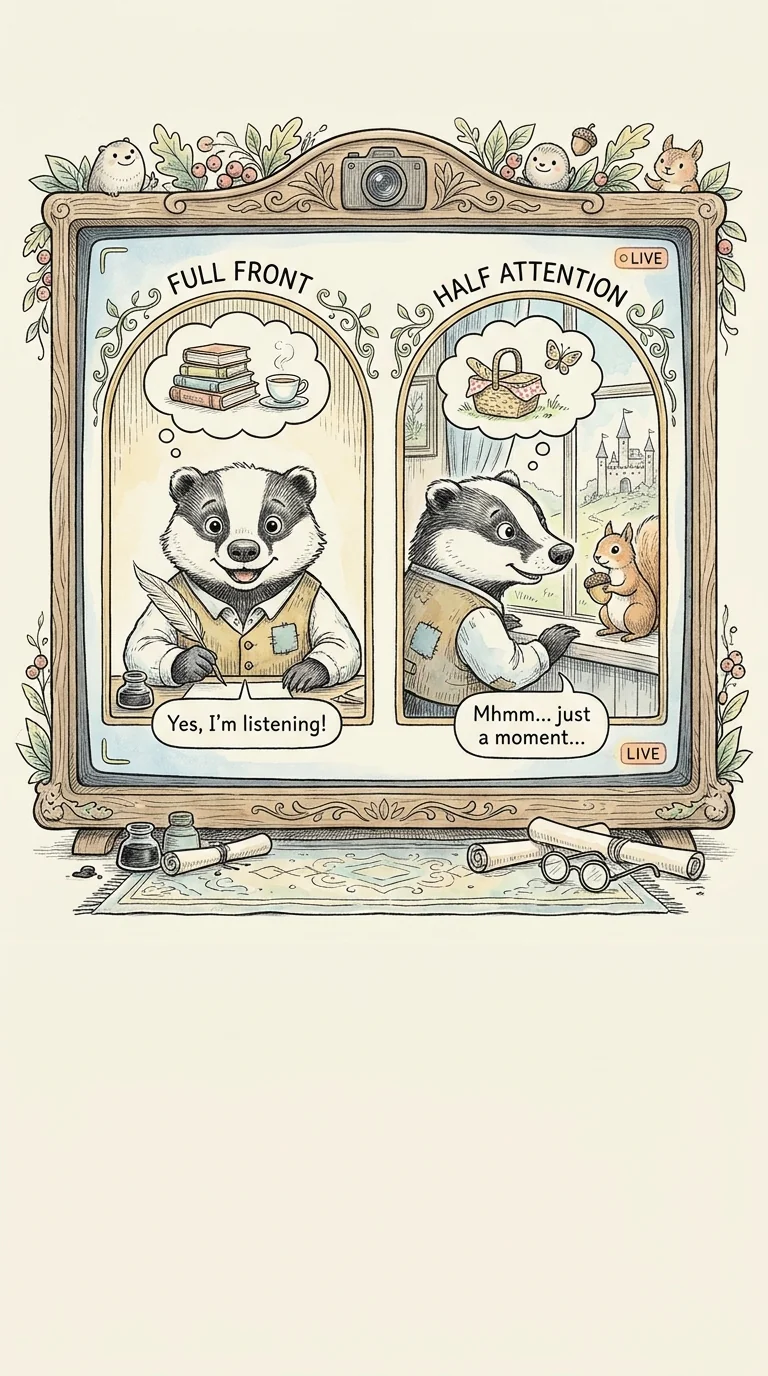
Video call fronting: your camera is your front. Face it fully — torso squared to screen, not body half-turned. When you turn sideways to type, you're broadcasting half-attention. The camera records this and amplifies it.

Fronting is also a respect signal in hierarchical settings. Fully fronting a senior person while they speak — toes toward them, torso oriented, eyes steady — sends a nonverbal message that their words are worth your whole body's attention.

Today: in your next conversation, deliberately square your toes toward the other person and hold that front for the whole interaction. Notice whether they open up more than usual. Fronting creates the conditions for honesty.
Part 2: Mirroring — Building Rapport Through Matching
+10 XP on completion

Mirroring is the unconscious habit of matching another person's body language, pace, and tone. We all do it — but most people don't realize it can be done deliberately to build instant rapport with almost anyone.
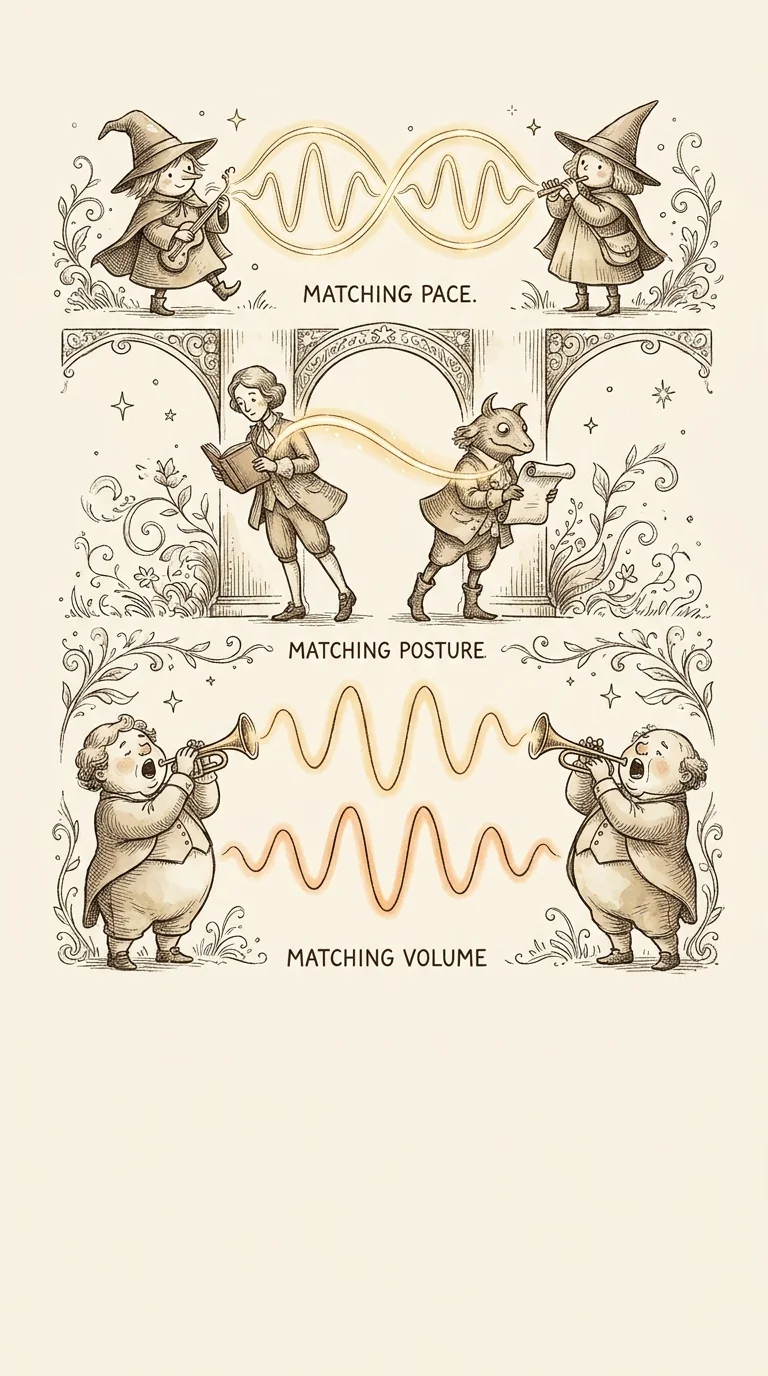
The three easiest channels to mirror: pace (match their speaking speed), posture (follow their lean or upright position with a slight lag), and volume (if they're speaking quietly, you go quieter; if they're energized, match the energy).
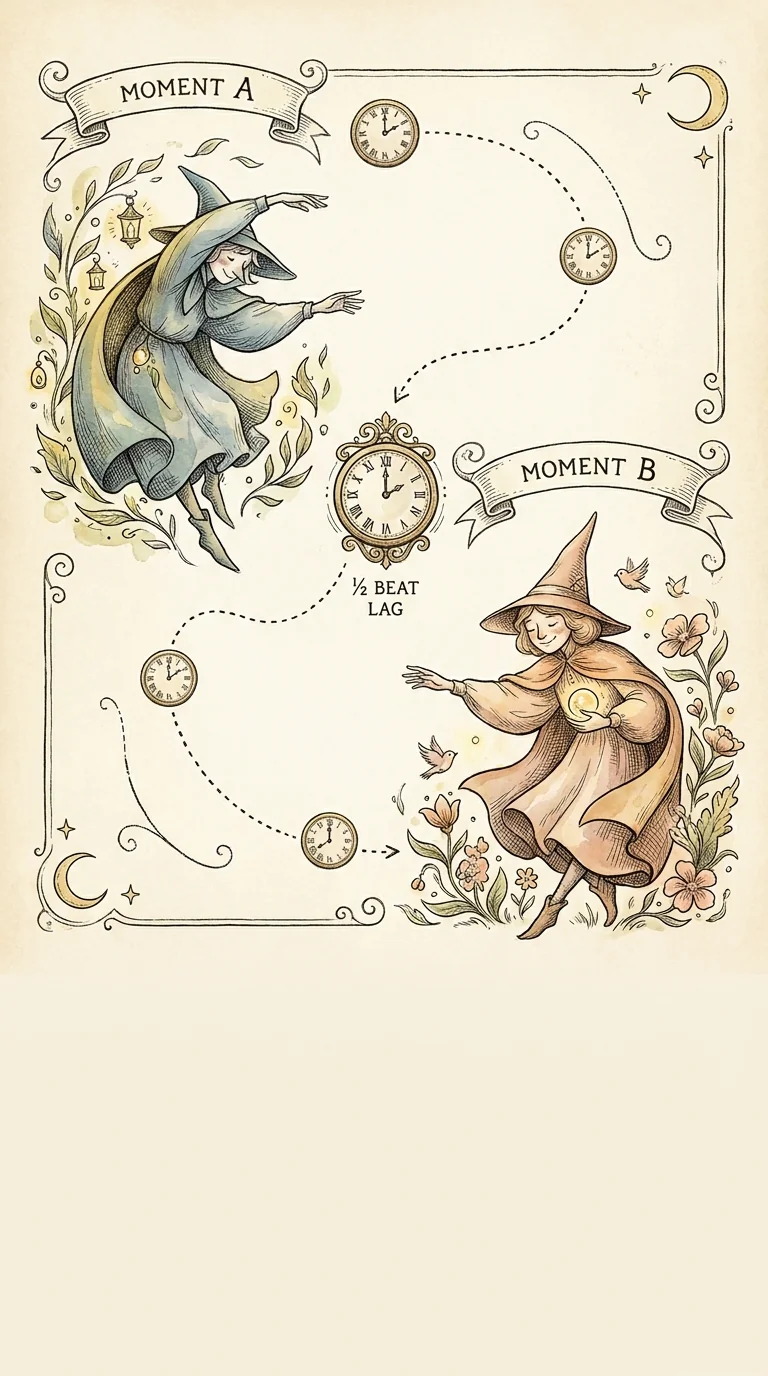
The lag matters. Mirror with a half-beat delay — not instantaneously. Immediate mirroring looks like mockery. Delayed mirroring looks like natural attunement. The difference is subtle but registers deeply.

Verbal mirroring: echo the last three to five words of what someone said as a question. 'It's been a really challenging quarter.' / 'A challenging quarter?' The echo invites them to elaborate — people open up when they hear their own words reflected back.

Mirroring builds rapport fastest in moments of first contact — a new client, a new colleague, a networking event. Before trust is established by content or history, it can be established through physical and verbal attunement.
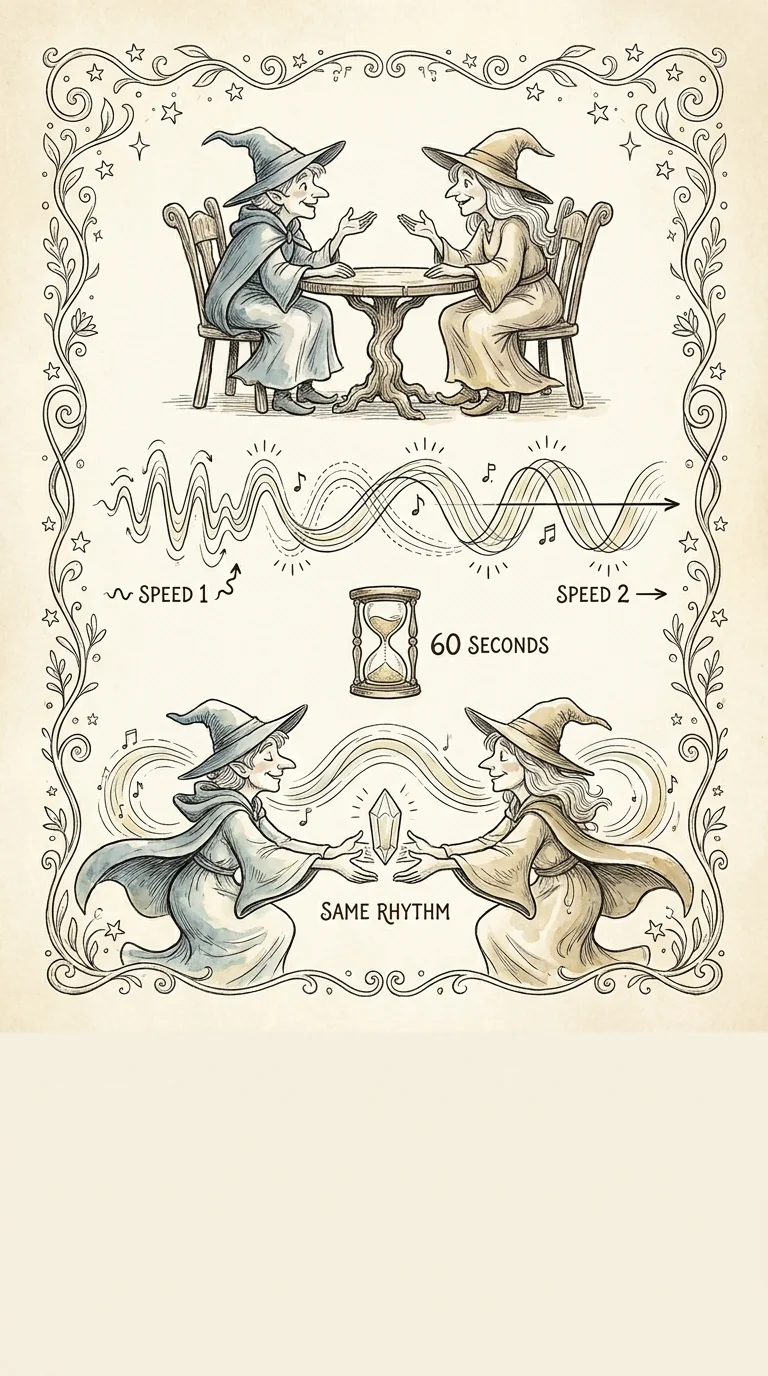
Today: in one conversation, mirror the other person's pace for 60 seconds — not their exact words or posture, just their speed. Notice what happens. Rapport built this way feels entirely natural to the other person. That's the point.