Lean In — Using Space as Emphasis
Moving physically closer to someone is a primal trust signal — you're choosing to be less safe, to enter their space, to give them access. Used deliberately, leaning in says: this moment matters more than my comfort.
Part 1: Lean In — Using Space as Emphasis
+5 XP on completion

Moving physically closer to someone is a primal trust signal — you're choosing to be less safe, to enter their space, to give them access. Used deliberately, leaning in says: this moment matters more than my comfort.

The key to leaning in is selectivity. If you lean through the entire conversation, it becomes your resting state and loses meaning. The lean is nonverbal bolding — use it on the key phrase, not the whole paragraph.

Lean in when someone shares something personal or difficult. Lean in when you want to emphasize agreement or genuine interest. Lean in when you're making an ask that matters. The physical move and the emotional weight must match.

Leaning away is equally powerful — and equally deliberate. When someone says something you want them to reconsider or that didn't land as expected, a slight lean back with a thoughtful pause invites them to revise before you have to respond.
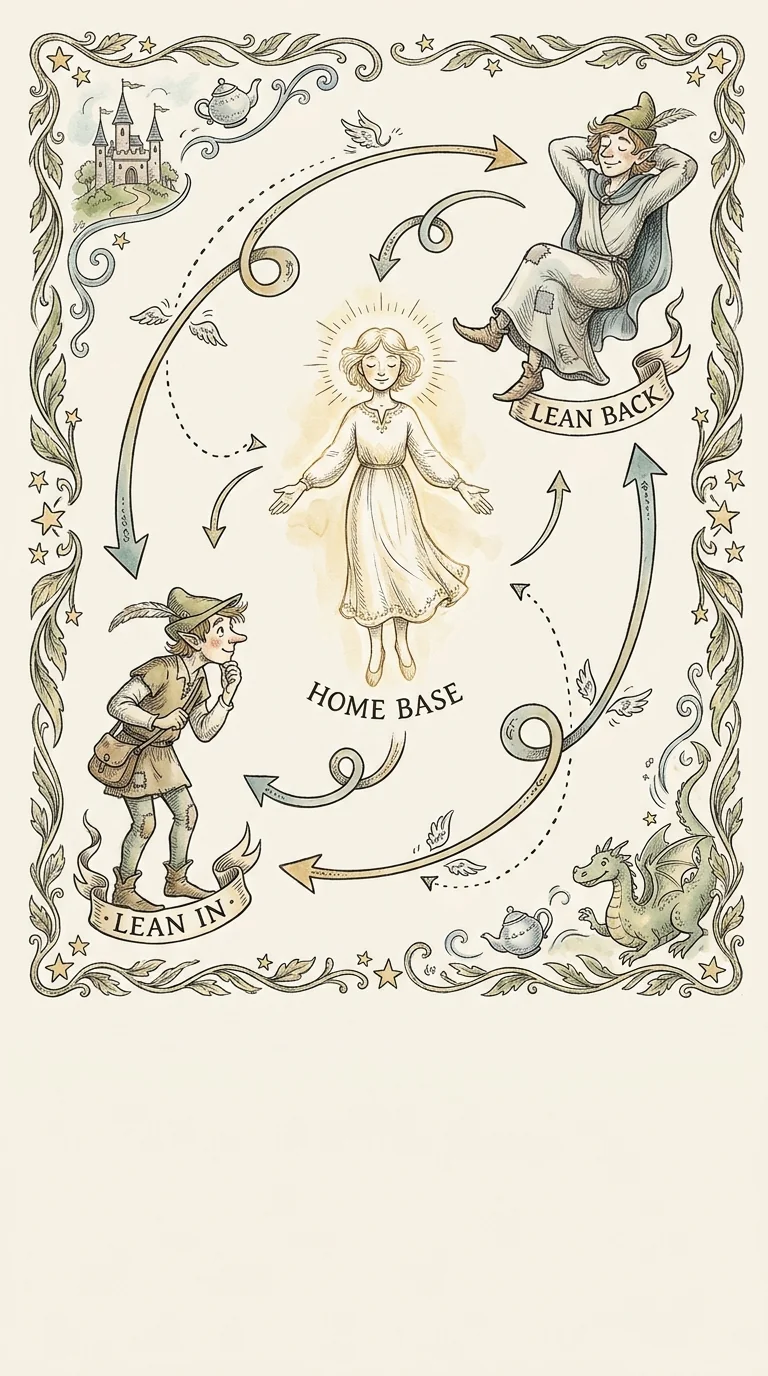
Neutral upright is your home base. Most conversations live here. The lean in and lean back are punctuation — tools to deploy at specific moments, not your permanent state.
Today: lean in once in your next important conversation — at the moment the other person is sharing something meaningful. Don't announce it. Just let your body move toward the moment. Notice what opens.
Part 2: Leveling — Removing Hierarchy Friction
+10 XP on completion

Leveling is about matching the physical height of the person you're speaking with. When you're standing and they're seated, or you're on a raised platform and they're at eye level, your position creates hierarchy before you've said a word.

Leaders who crouch down to speak to a seated person, or who sit on the edge of a desk to level with someone standing, are using leveling deliberately. The message is: I'm not going to make this interaction about power.

On video calls, leveling means matching camera heights when possible. If you're looking down at your camera and they're looking up at theirs, the power dynamic is visible to both parties even if neither names it.

Leveling is most powerful when you have seniority and choose not to use it physically. Walking around to sit beside someone rather than across from them. Choosing a chair instead of standing at a whiteboard. The decision signals: I'm here with you, not above you.

In social situations, leveling with someone who's been excluded from a standing group — noticing they're seated alone while everyone else is standing — is a powerful warmth and inclusion move. You go to their level. The group follows.

Today: notice one moment where a height mismatch is creating friction — you standing, someone sitting; you at a desk, someone at the door. Adjust to level. The conversation that follows will be different.