The Nonverbal Bridge
A bridge is any physical object or gesture you pass across the space between you and another person. Handing someone a document, offering a pen, sharing your screen, pouring their coffee — each one creates a thread of
Part 1: The Nonverbal Bridge
+5 XP on completion
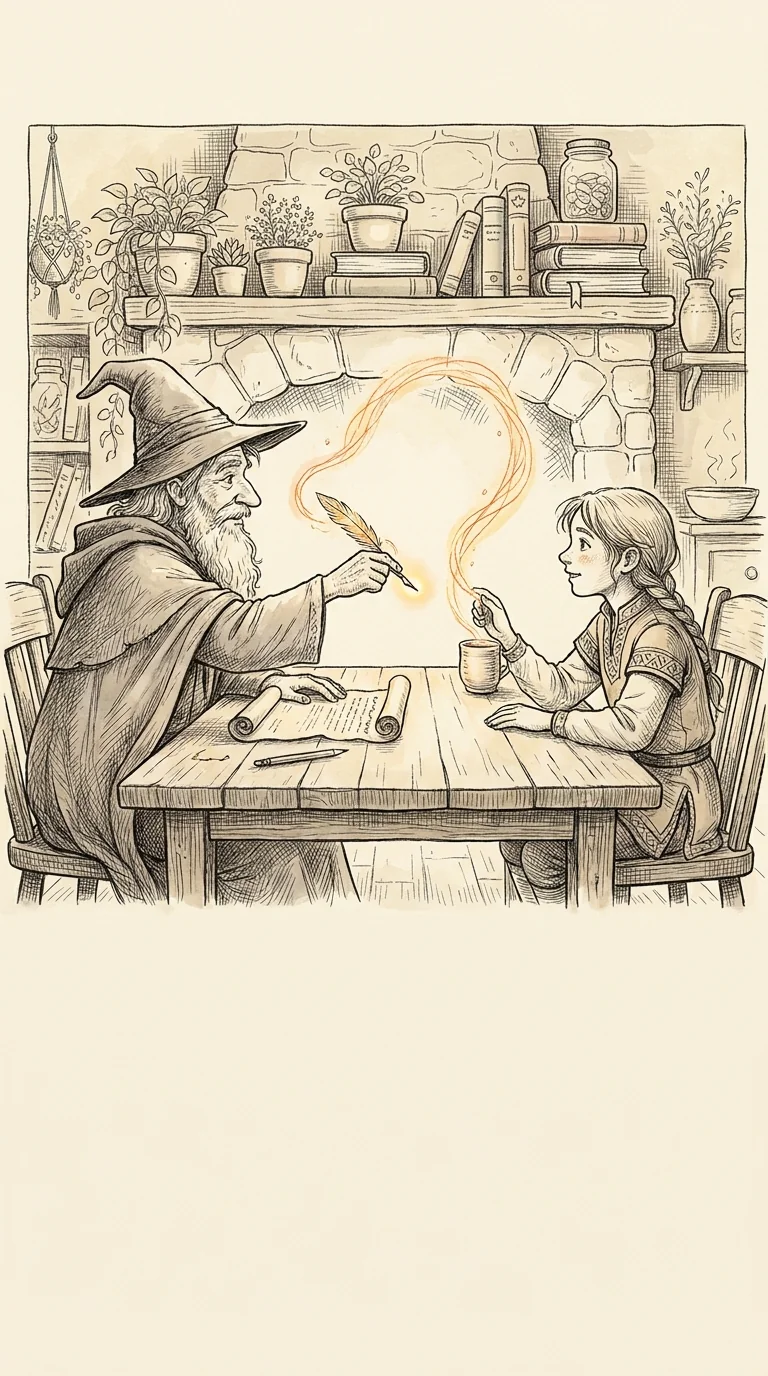
A bridge is any physical object or gesture you pass across the space between you and another person. Handing someone a document, offering a pen, sharing your screen, pouring their coffee — each one creates a thread of connection that words alone don't generate.
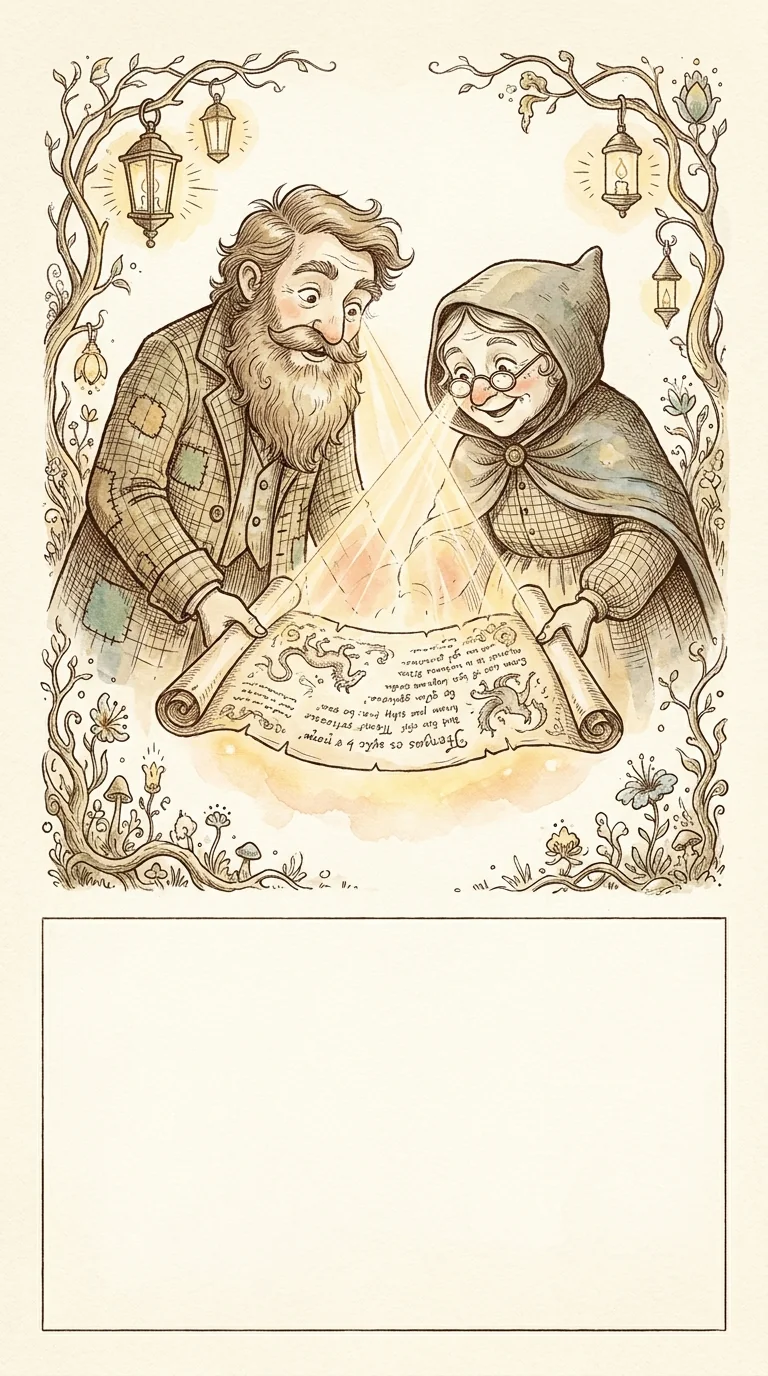
The bridge works because it requires mutual attention to a shared object — and shared attention is the foundation of rapport. For a moment, you are both looking at the same thing. That alignment feels like agreement, even when the content hasn't been agreed on yet.
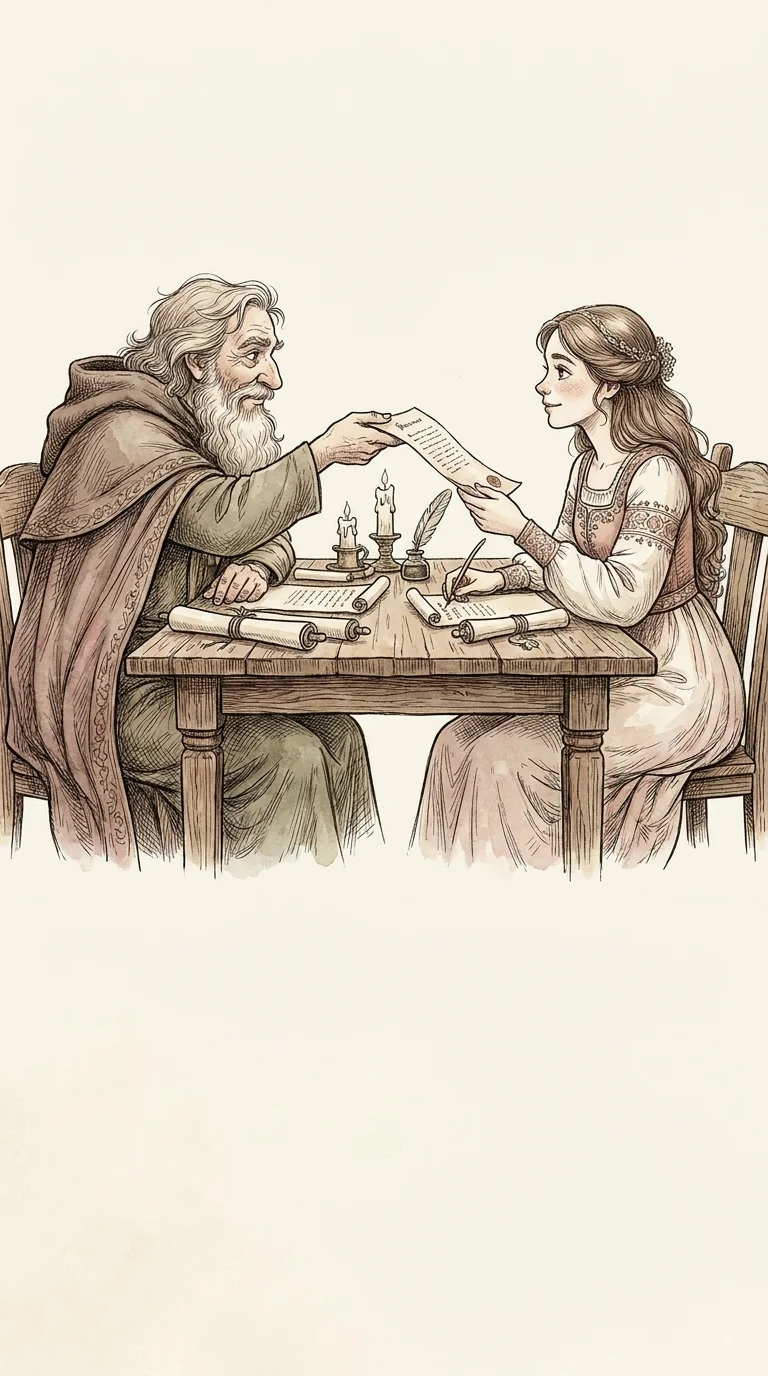
The handoff with maintained eye contact is the bridge at its most powerful. You extend the object toward the other person while continuing to meet their eyes — not looking at what you're handing. This says: I'm giving you this, and I'm still with you.
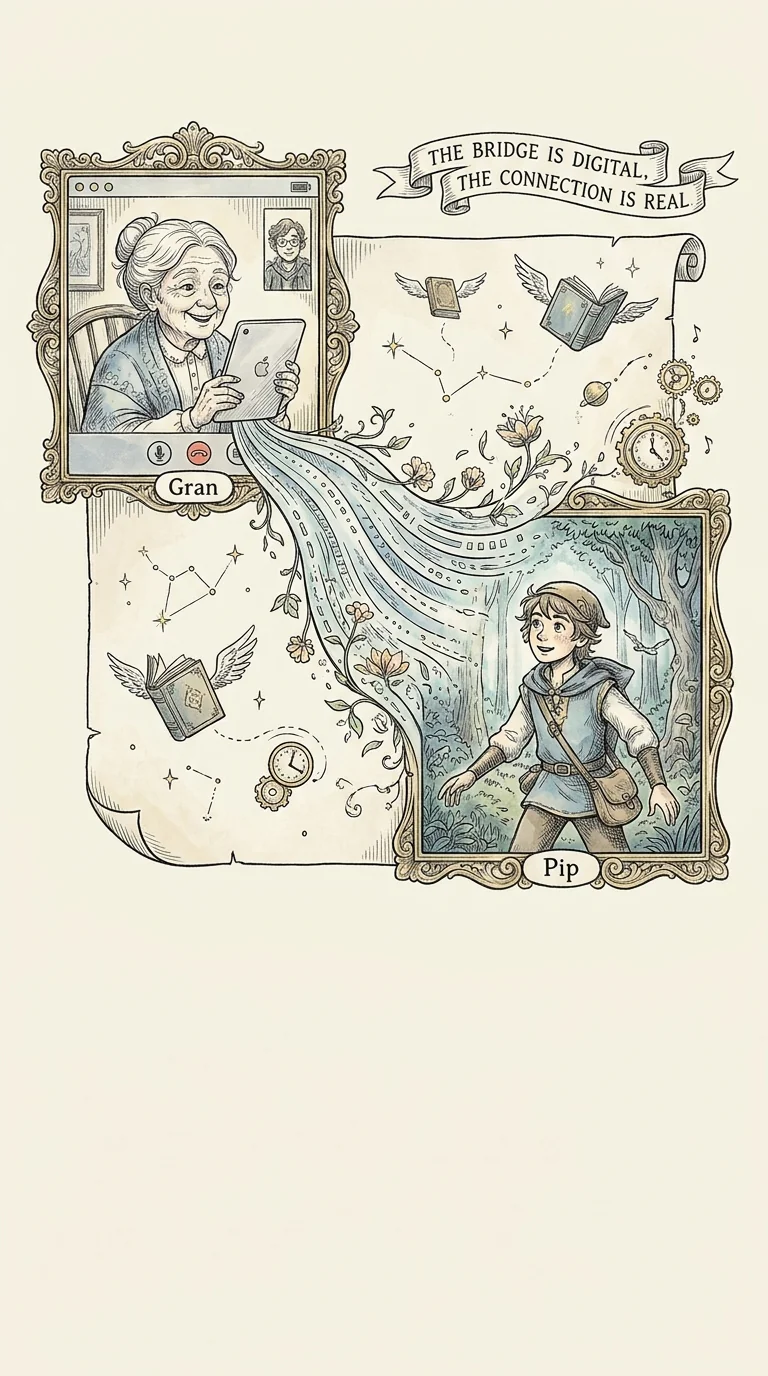
Digital bridges work the same way: sharing your screen, sending a link in the moment, pulling up a visual that makes your point concrete. The gesture of offering something shared — even digitally — creates the bridge.
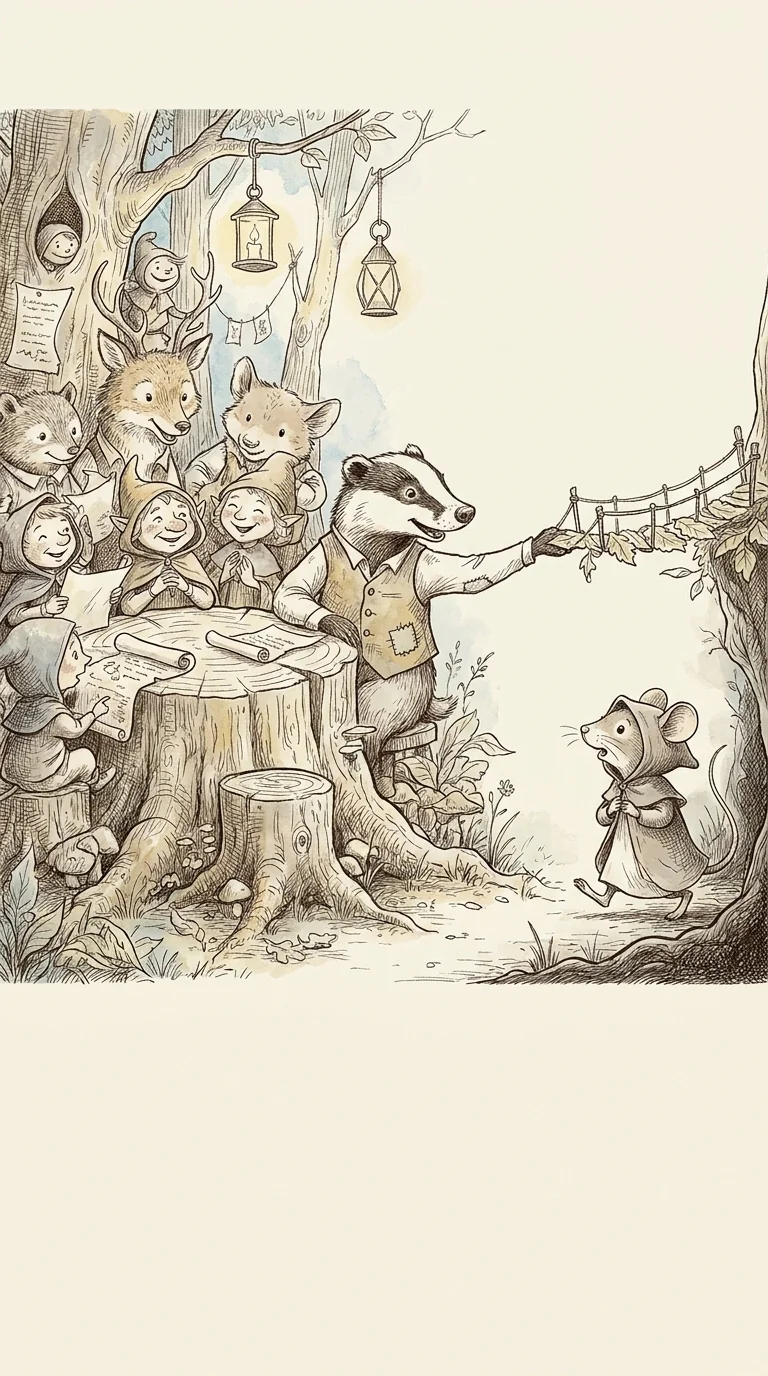
Bridging across distance in a group setting: stepping toward someone at the edge of a meeting to bring them physically into the circle, handing something to the quietest person first, or gesturing across the room while speaking to them — all bridge the gap.
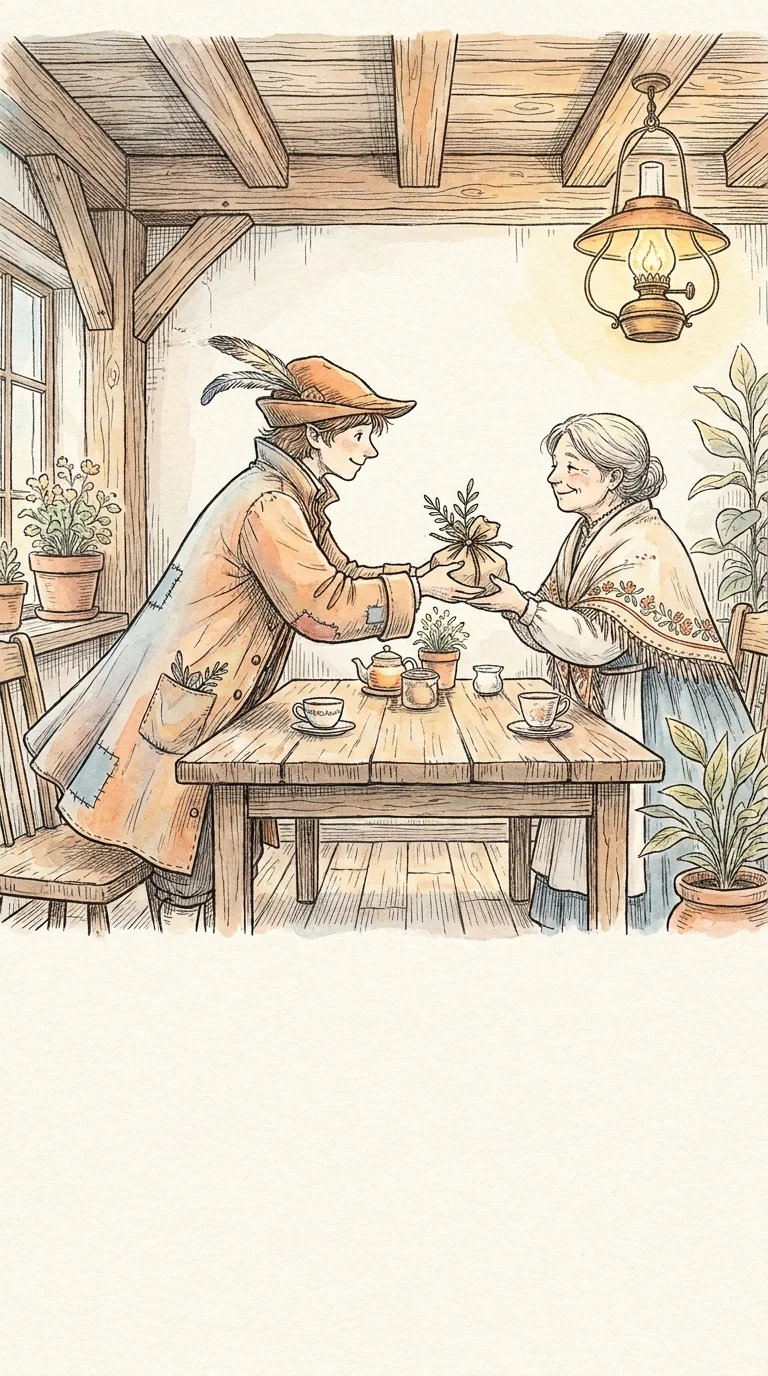
Today: use one deliberate bridge. In a meeting, hand something to the person you want to connect with more. On a call, share your screen when you don't strictly need to. Offer the coffee before sitting down. Small gestures, real effects.
Part 2: The Seven Microexpressions
+10 XP on completion
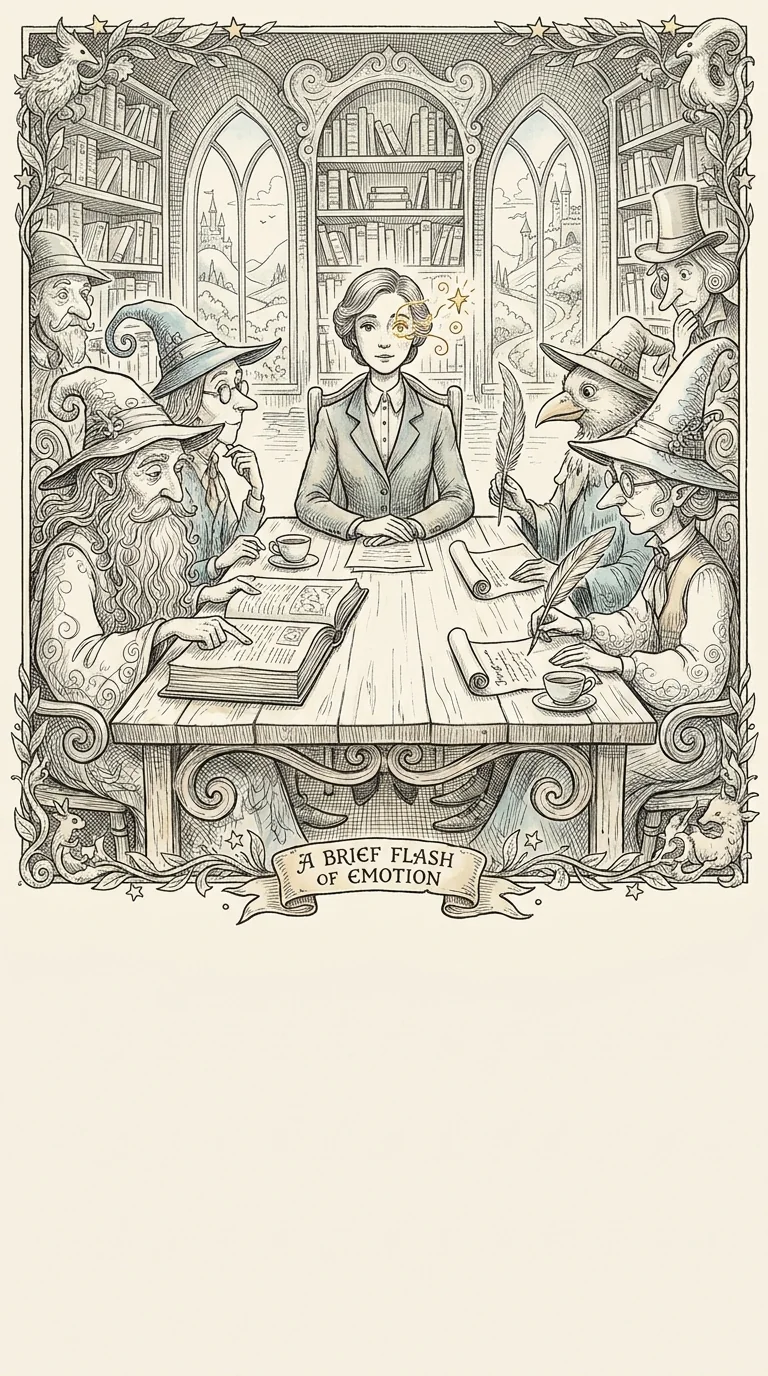
Microexpressions are brief, involuntary flashes of true emotion that appear on the face before the conscious mind can manage them. They last a fraction of a second. They never lie — and learning to spot them changes how you read a room.
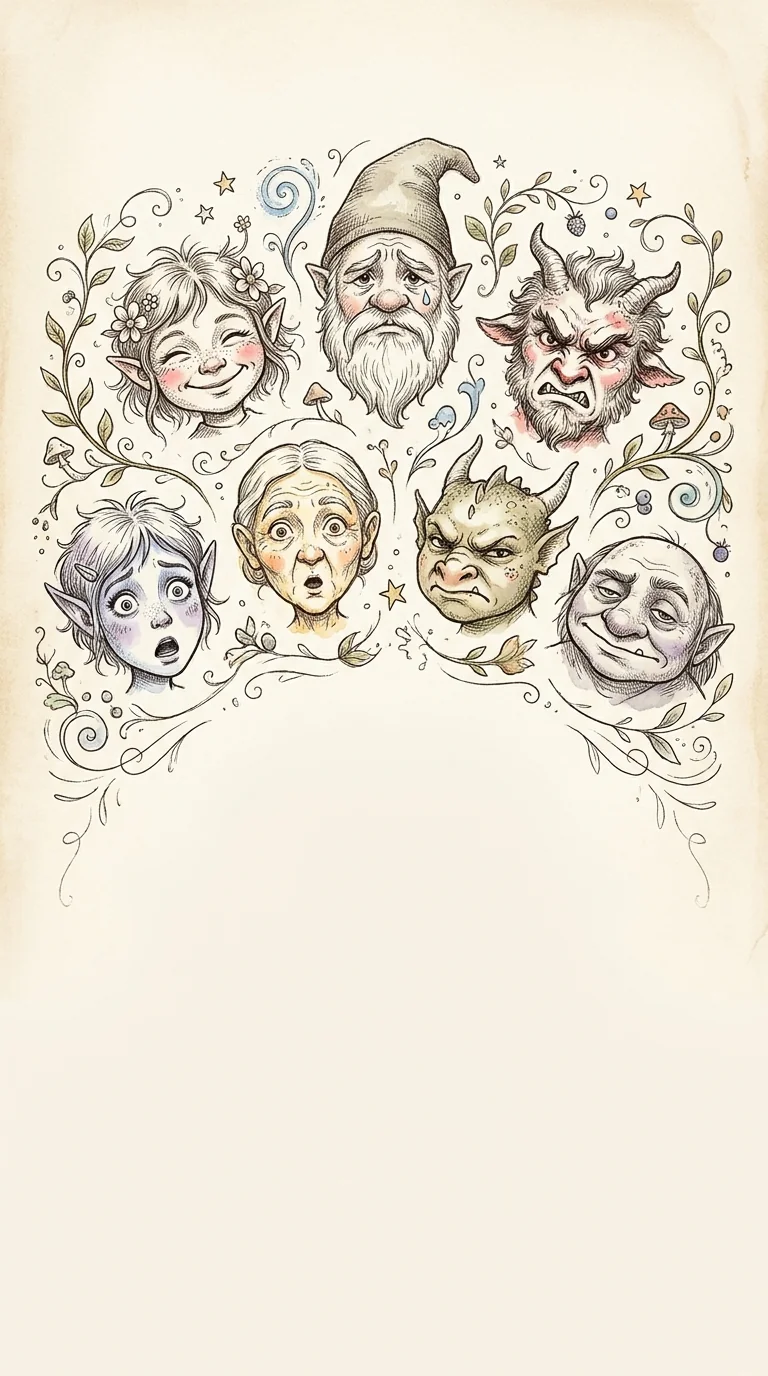
The seven universal microexpressions are: happiness, sadness, anger, fear, surprise, disgust, and contempt. These appear across every culture and have been validated across research conducted in dozens of countries.
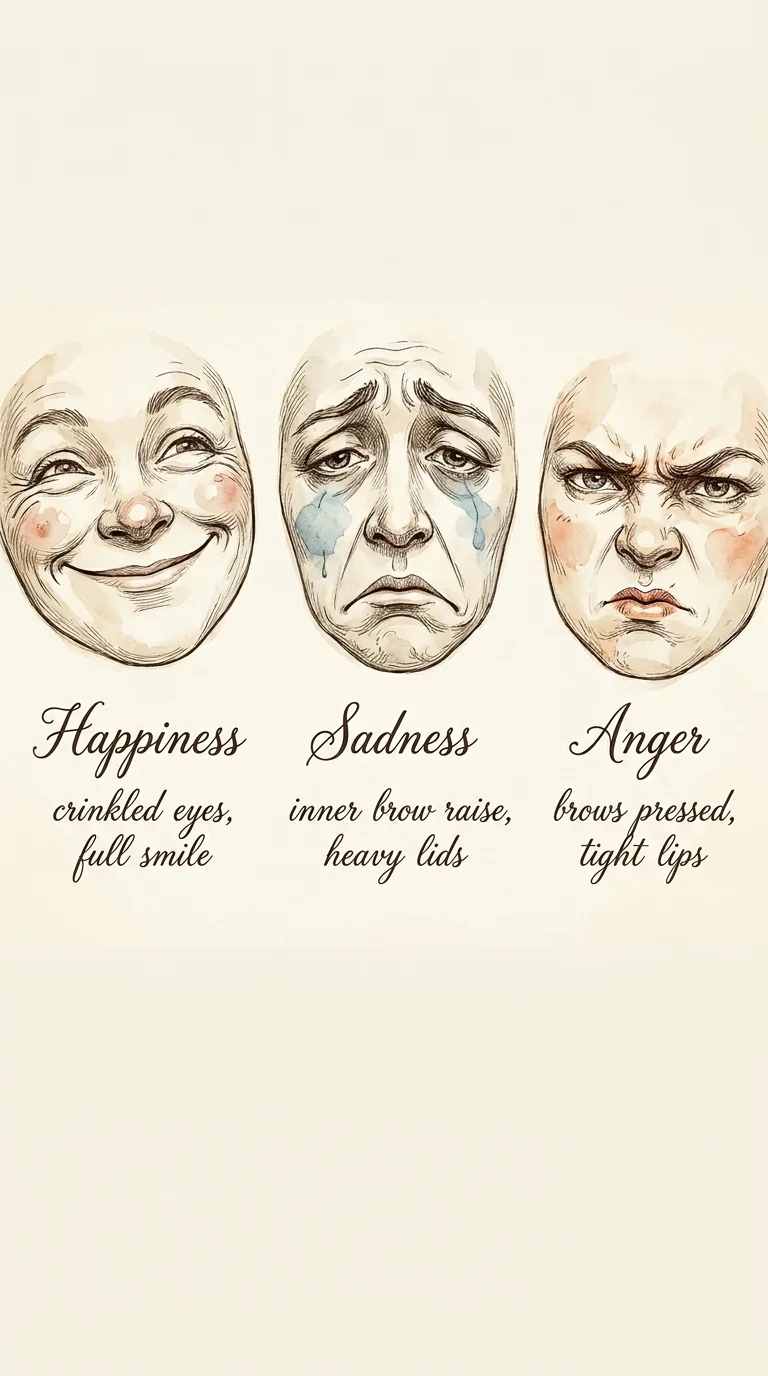
Happiness: the full-face smile with raised cheeks and engaged eye muscles — the Duchenne signal from Day 10. Sadness: inner brows pulling up and together, eyelids heavy, mouth corners down. Anger: brows pressing down and inward, lips compressed or tense.

Fear: brows raised flat (not curved), upper eye whites showing, mouth slightly open or tense. Surprise: brows curved and raised (different from fear's flat raise), eyes fully open, jaw dropping slightly. Disgust: nose wrinkle, upper lip raised.
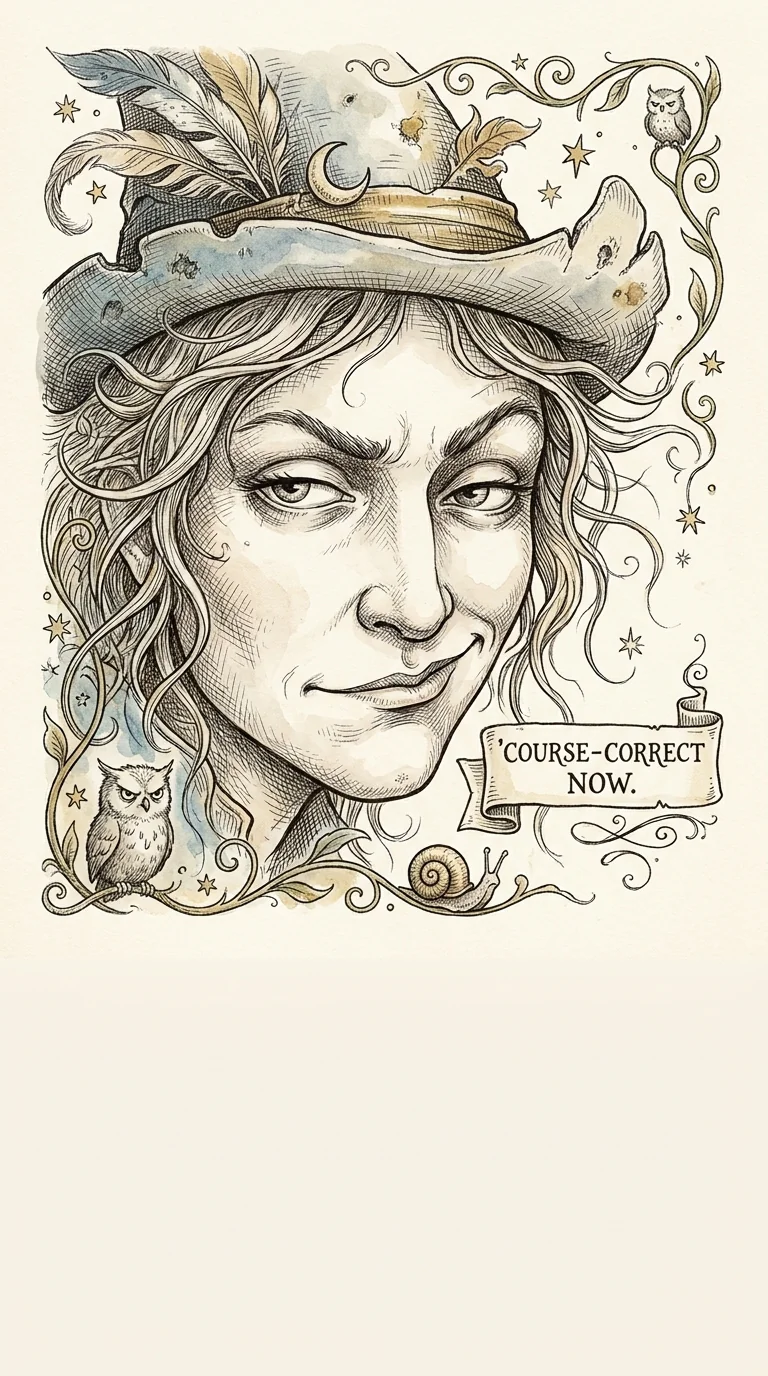
Contempt: the most important negative microexpression to spot. One side of the mouth pulls up and back — a unilateral expression. It signals superiority and dismissal. When you see contempt, the content you're delivering has already been rejected.
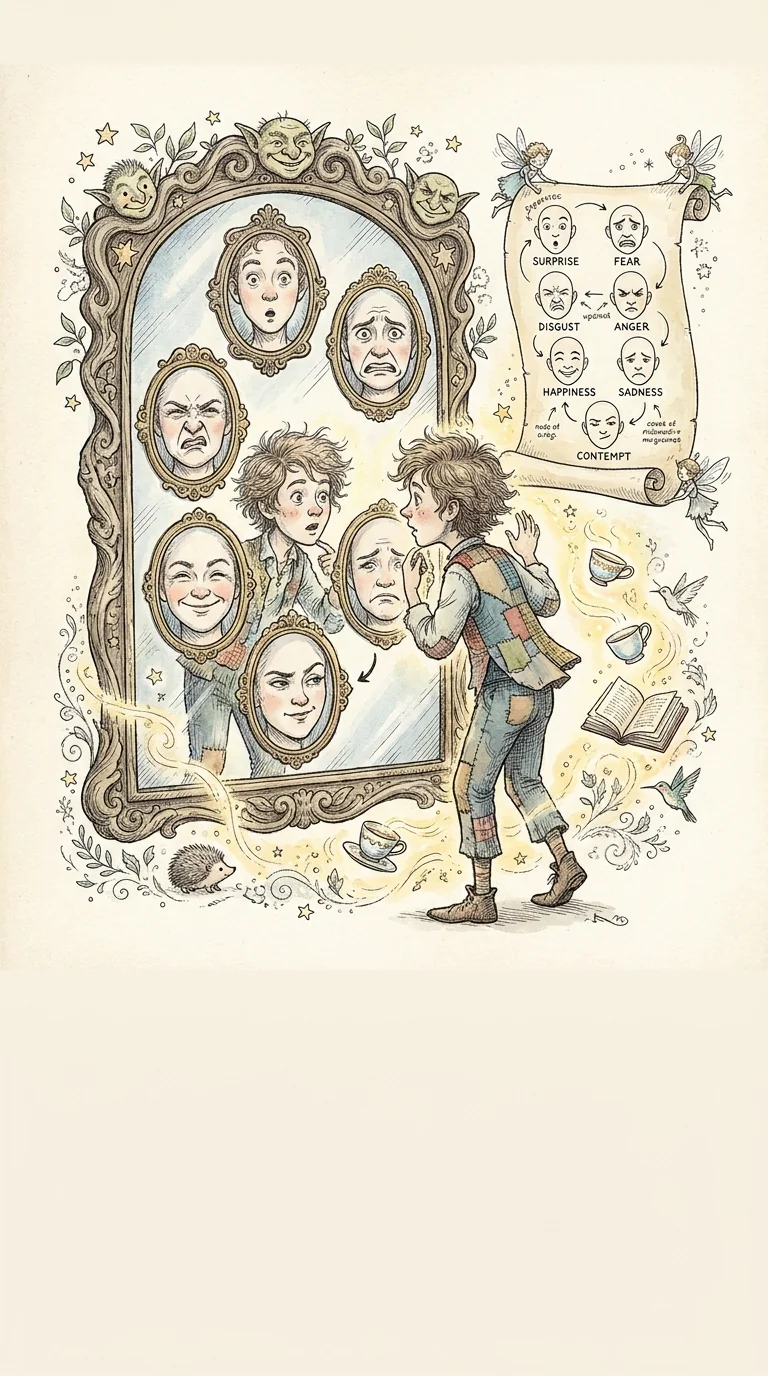
Today's practice: run through all seven faces in a mirror — 30 seconds each. You're training your brain to recognize these flashes in others by feeling them in your own face first. That's how the skill builds.