Reading Micropositives and Micronegatives
Most emotional information doesn't arrive in microexpressions — it arrives in clusters of smaller signals: posture shifts, gaze changes, breathing rate, finger movements. These are micropositives and micronegatives, an
Part 1: Reading Micropositives and Micronegatives
+5 XP on completion
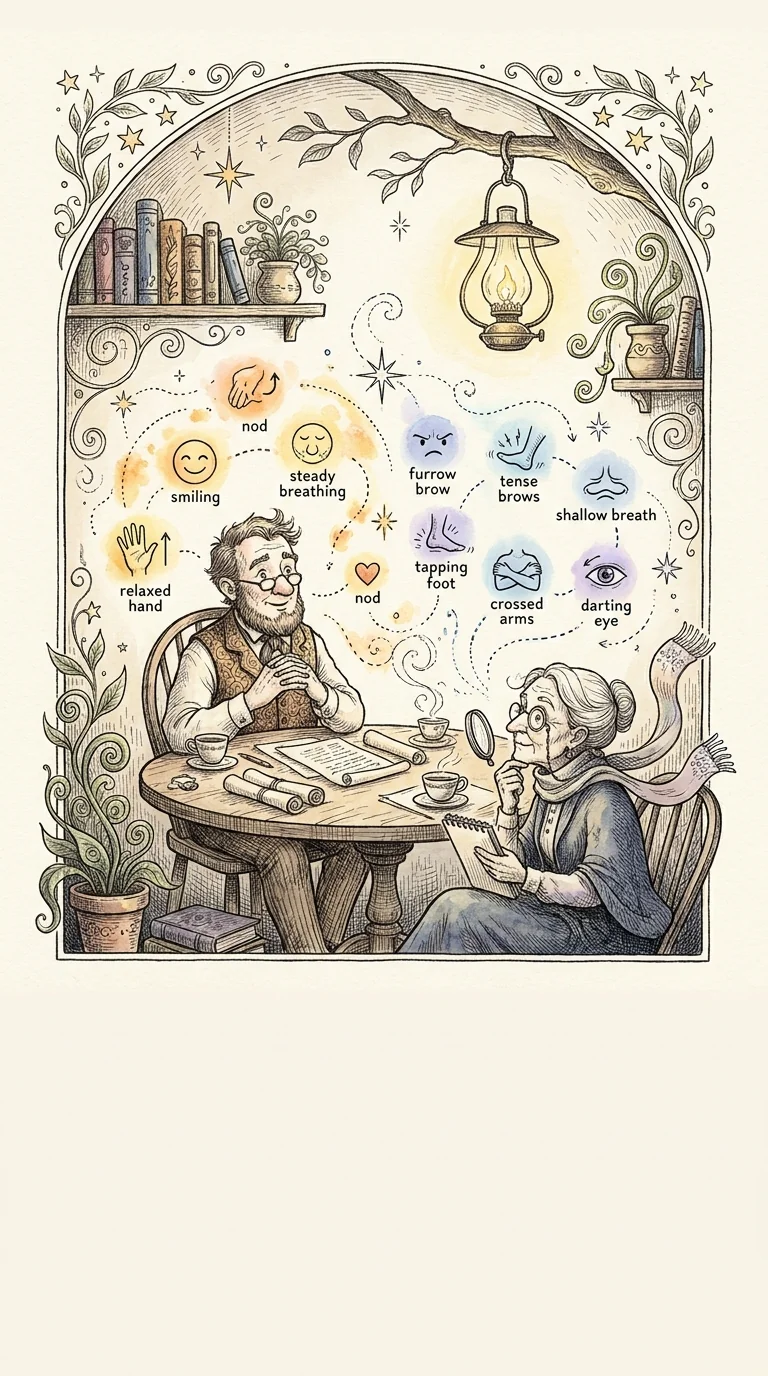
Most emotional information doesn't arrive in microexpressions — it arrives in clusters of smaller signals: posture shifts, gaze changes, breathing rate, finger movements. These are micropositives and micronegatives, and they're happening constantly.
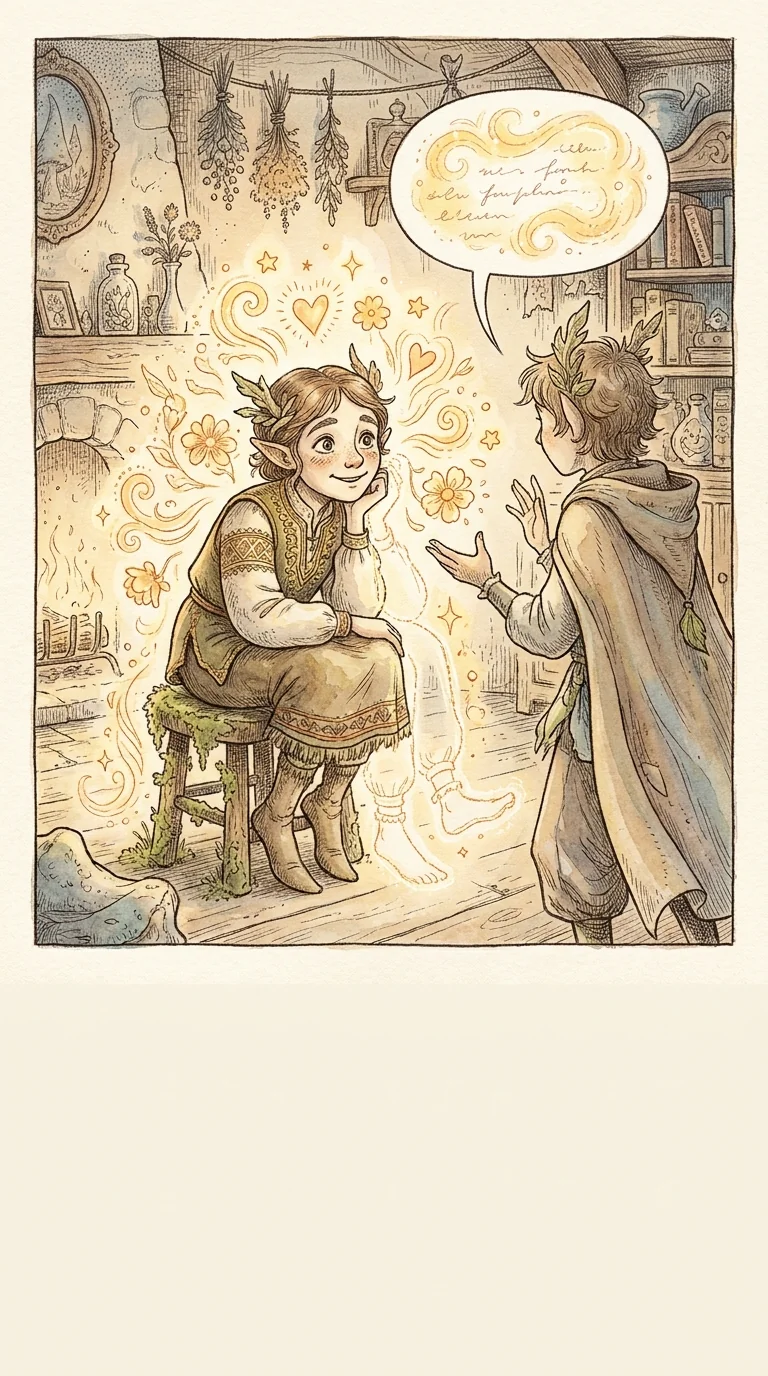
Micropositives — signals of engagement, interest, and openness: leaning forward, eye widening, feet pointing toward you, eyebrow raise, mirroring your posture, asking follow-up questions, slowing down to listen.

Micronegatives — signals of discomfort, disagreement, or disconnection: feet pointing toward the exit, self-touching (neck, face, hair), partial blocking gestures, gaze drifting, leaning back, speeding up the conversation.
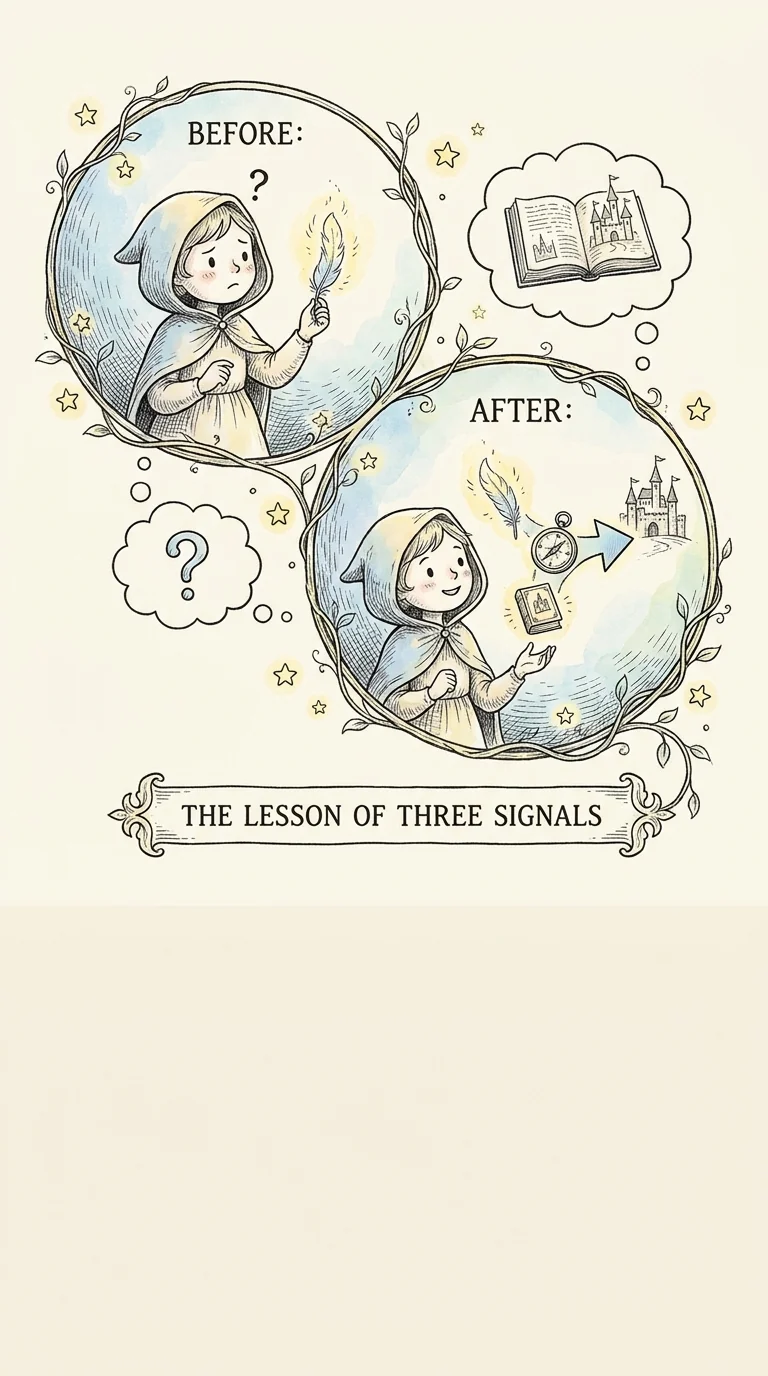
The most important rule of reading body language: never read a single signal. A crossed arm could be cold. A gaze away could be thinking. A cluster of three or more aligned signals is meaningful — one signal in isolation is just noise.

Baseline matters: before you can read shifts, you need to know what's normal for this person. Some people have cold default body language. Some people are naturally high-energy and misread as intense. You're looking for changes from their normal, not universal standards.

Today: in one conversation, spend the first two minutes only listening and observing — not formulating your response. What micropositives are present? What micronegatives? What's the cluster telling you before anyone speaks the subtext out loud?
Part 2: Contempt and Resistance — Responding to the Hard Cues
+10 XP on completion
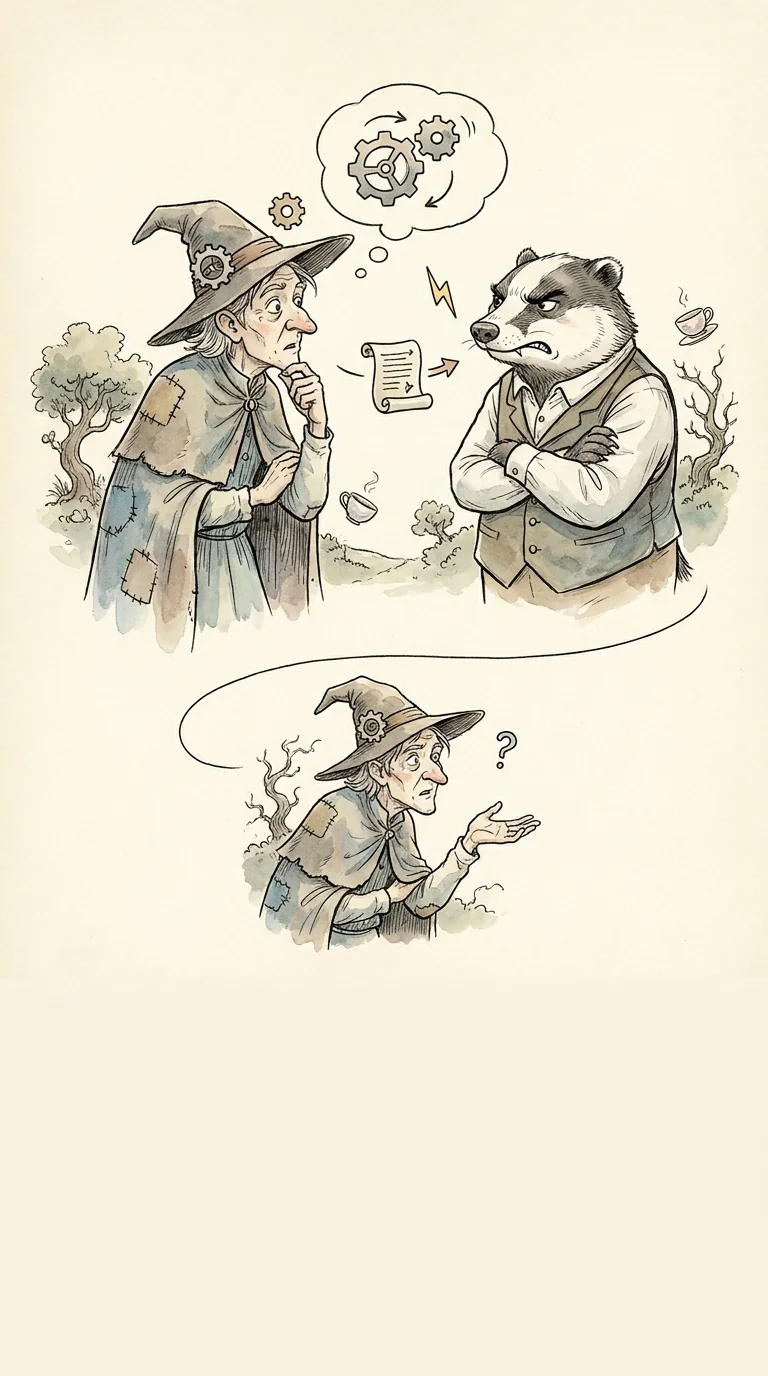
Contempt is the microexpression that needs an immediate response. When you see that one-sided mouth raise — dismissal — pushing your point harder is the worst move. The content has already been rejected. The relationship needs repair before the idea can land.
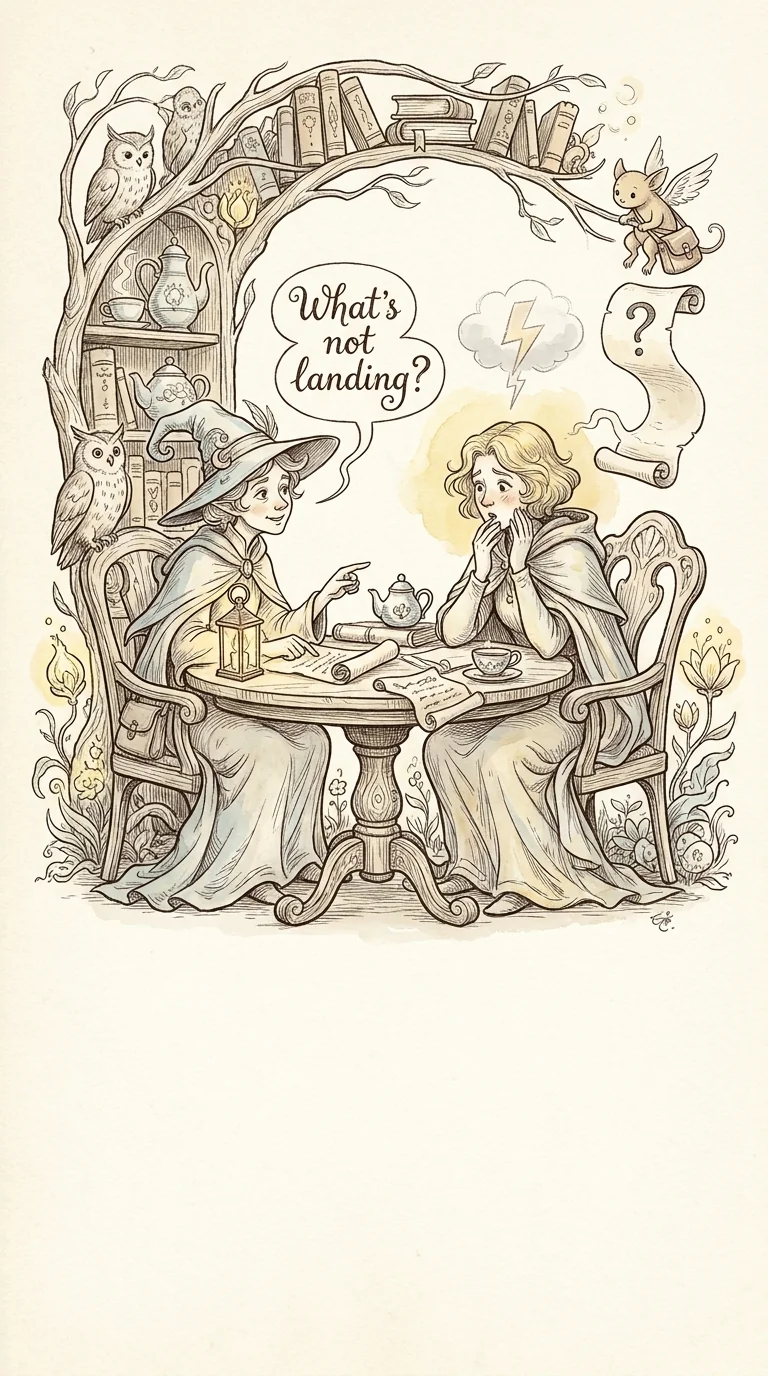
The contempt response script: 'I want to check in here — what's not landing for you?' This moves from monologue to dialogue. You're not admitting defeat; you're demonstrating that you prefer understanding over being right.

Fear microexpressions during your presentation: someone looks afraid. This means they're worried about the implications, not resistant to the idea. The response is deceleration — slow down, add reassurance, invite questions about concerns.

Anger microexpressions: compressed brows, tight lips, direct hard stare. This is resistance with heat. The response is a reframe, not a counter: 'Let me approach this from a different angle.' You're not backing down — you're choosing a different road to the same destination.
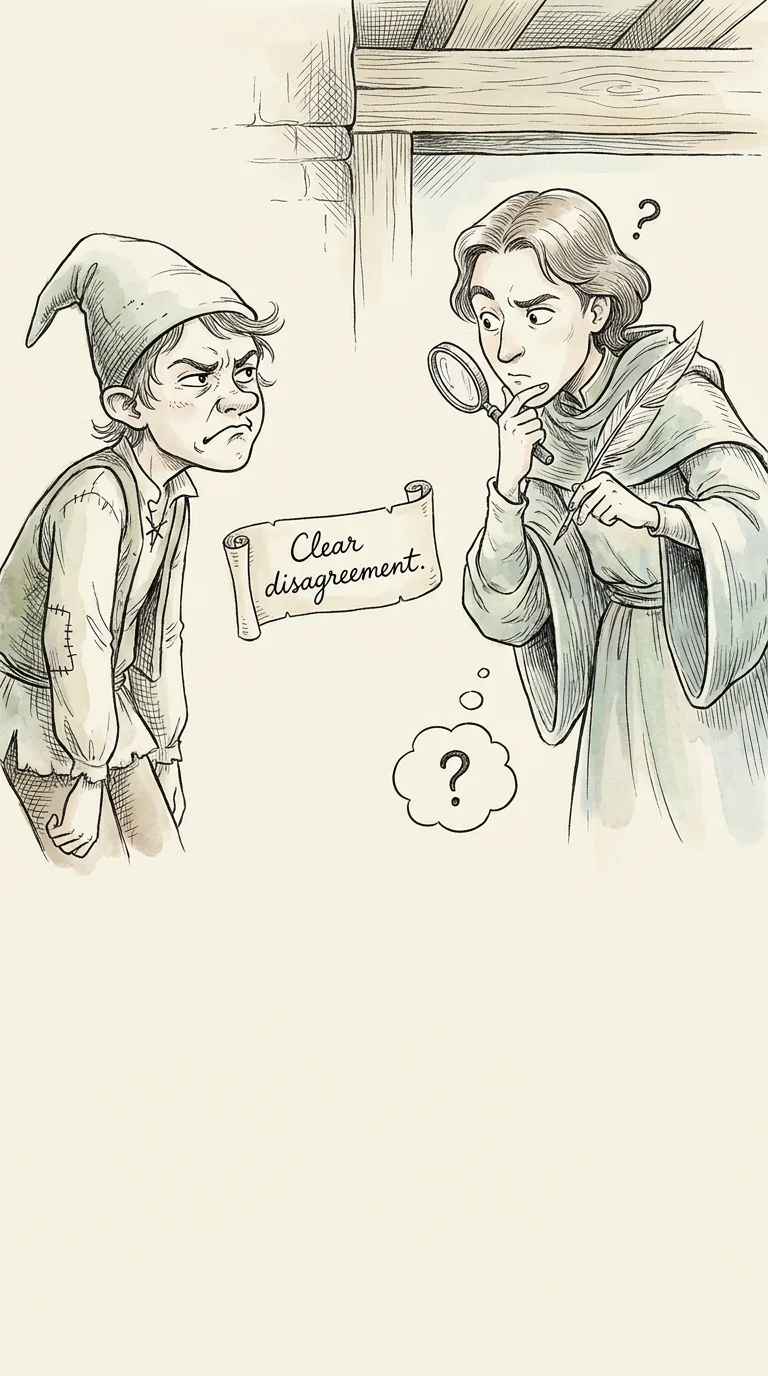
The Not Face is a cluster: disgust + contempt + anger combined. It signals clear disagreement or negation — often used nonverbally to say 'no' without speaking it. When you see the Not Face, stop making the case and ask what the obstacle is.

The master move in all of these: catch the cue before the other person says it, and address it. 'I noticed something shift — what am I missing?' This creates a level of attunement that most people have never experienced from a colleague. It builds trust fast.