The Charisma Formula in Motion
You've now built each piece separately. Today we watch what happens when they run together. The Triple Threat on entry. Warmth cues through the conversation. Competence signals during key moments. Influence moves at the
Part 1: The Charisma Formula in Motion
+5 XP on completion
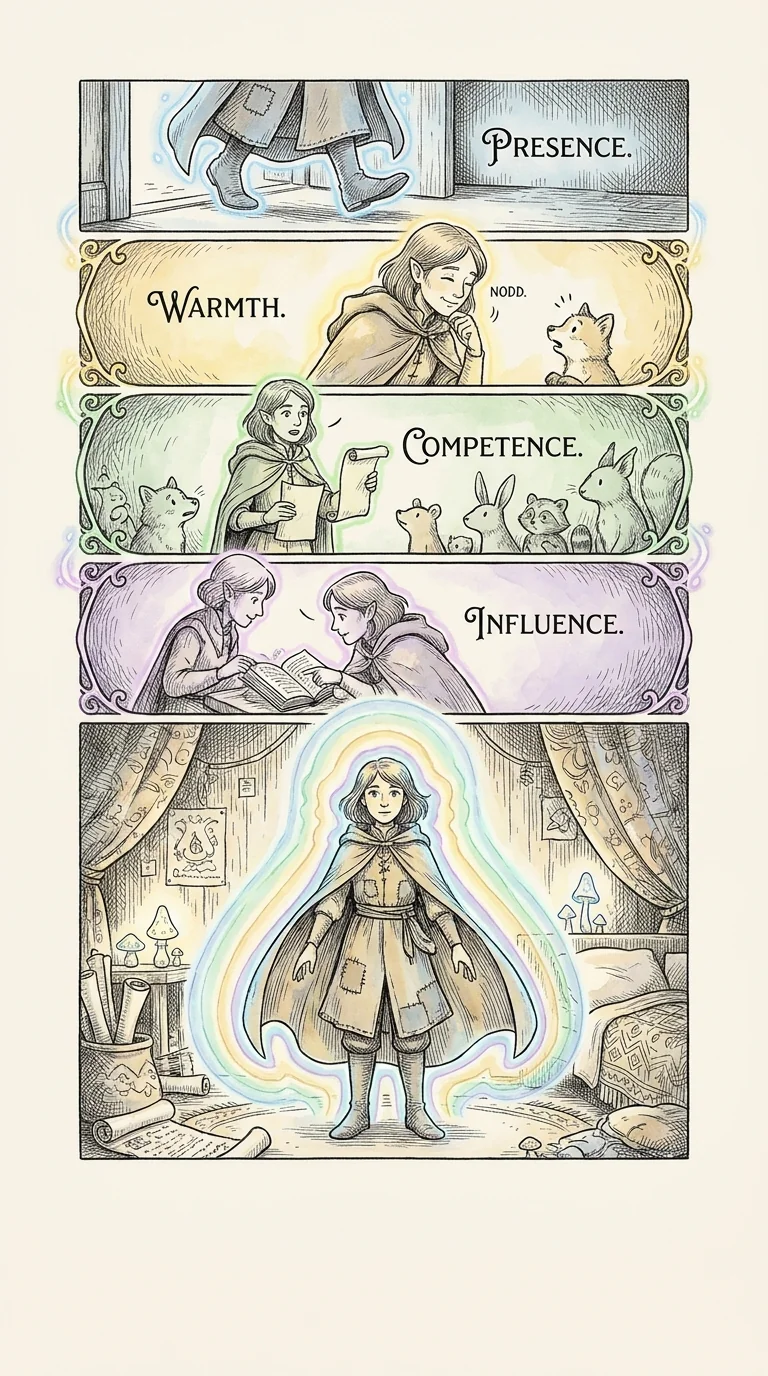
You've now built each piece separately. Today we watch what happens when they run together. The Triple Threat on entry. Warmth cues through the conversation. Competence signals during key moments. Influence moves at the right inflection points.
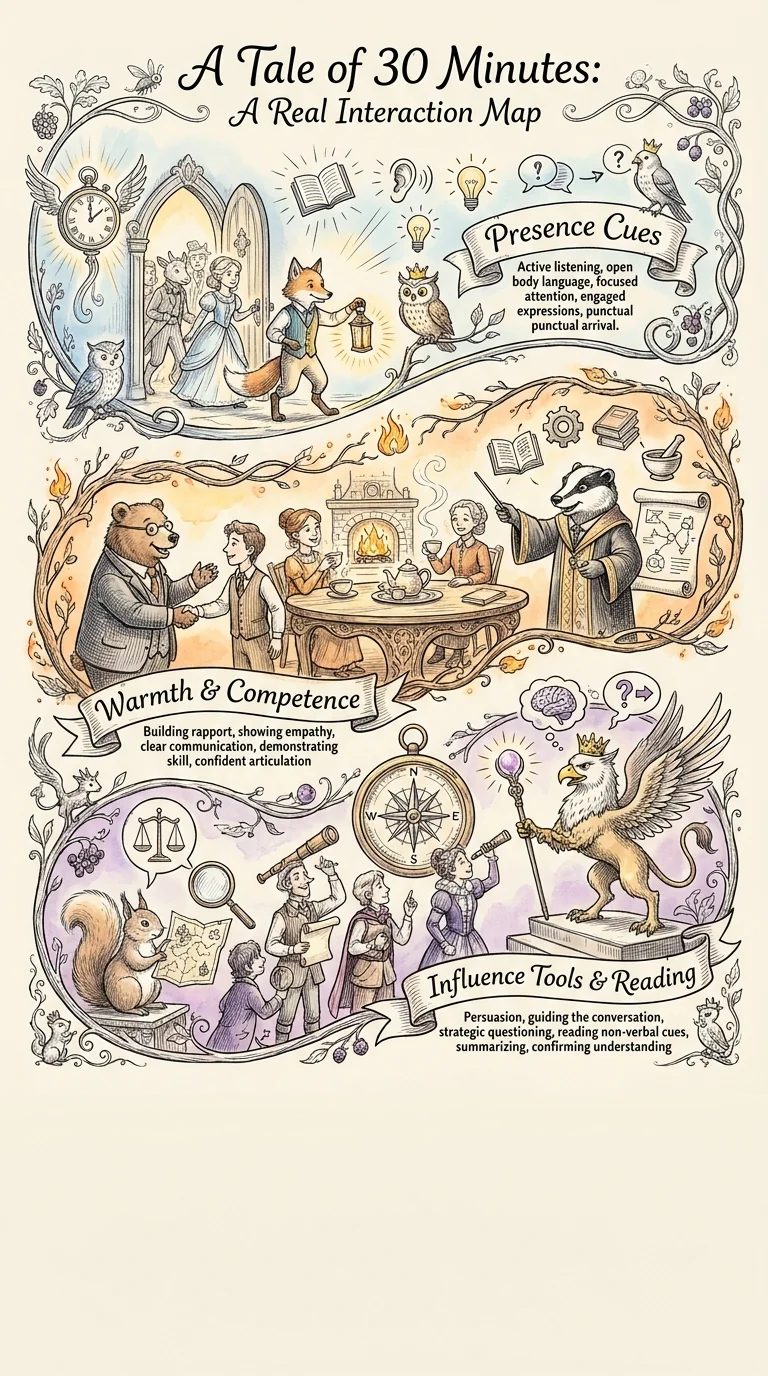
The pattern: open strongly with presence (first 10 seconds), calibrate quickly to warmth or competence based on what the room needs, then shift to reading and influence as the conversation develops.
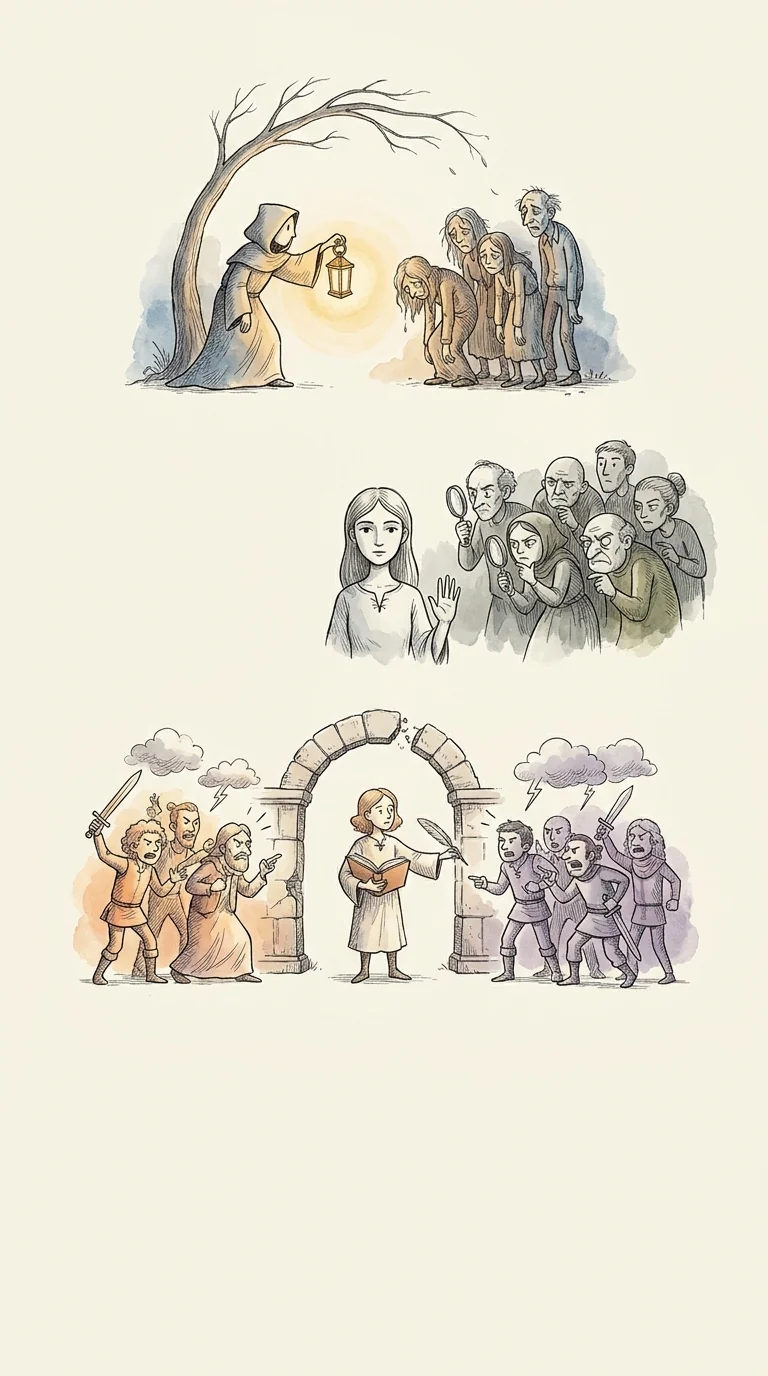
Watch for what the room needs: if energy is low, bring presence and warmth. If the room is skeptical, shift to competence — directness, stillness, power speech. If there's conflict, read the microexpressions and bridge before you advance.

The question you ask before any significant interaction: 'What does this moment need from me — more warmth, more competence, or more reading?' That question is the core of People Intelligence.

Most people pick their communication mode before they enter a room and never adjust. People with high social intelligence adjust continuously — every few minutes, sometimes every few sentences — based on what they're reading.

Today: go into one interaction with the explicit intention of adjusting once based on what you read in the room. Not at the start — at some point during. One adjustment, deliberately made. That's the skill you're building.
Part 2: Signaling Your Expert Power
+10 XP on completion
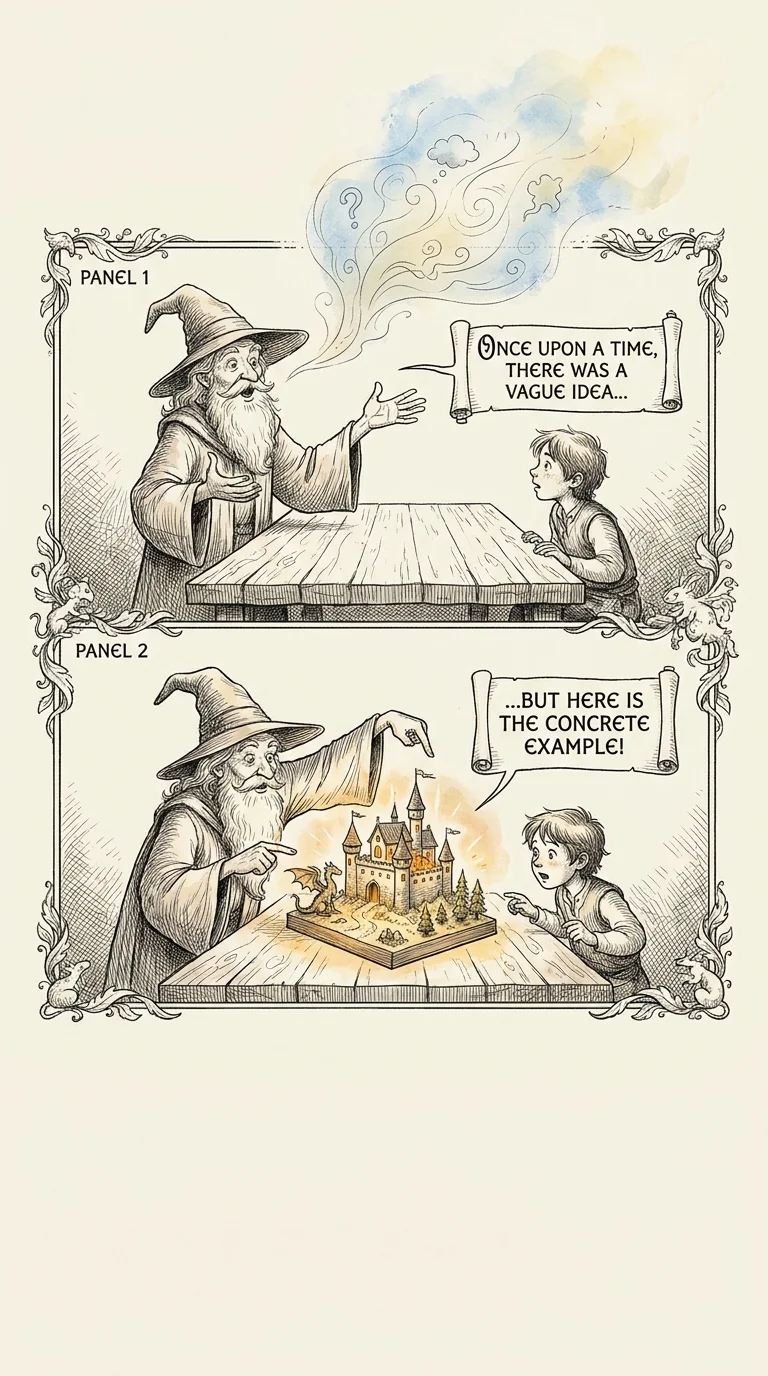
You've mapped your expert power zone. Now: how do you signal it without sounding like you're selling yourself? The answer is specificity. General claims ('I'm experienced') disappear. Specific examples ('I've navigated this exact situation three times') land.
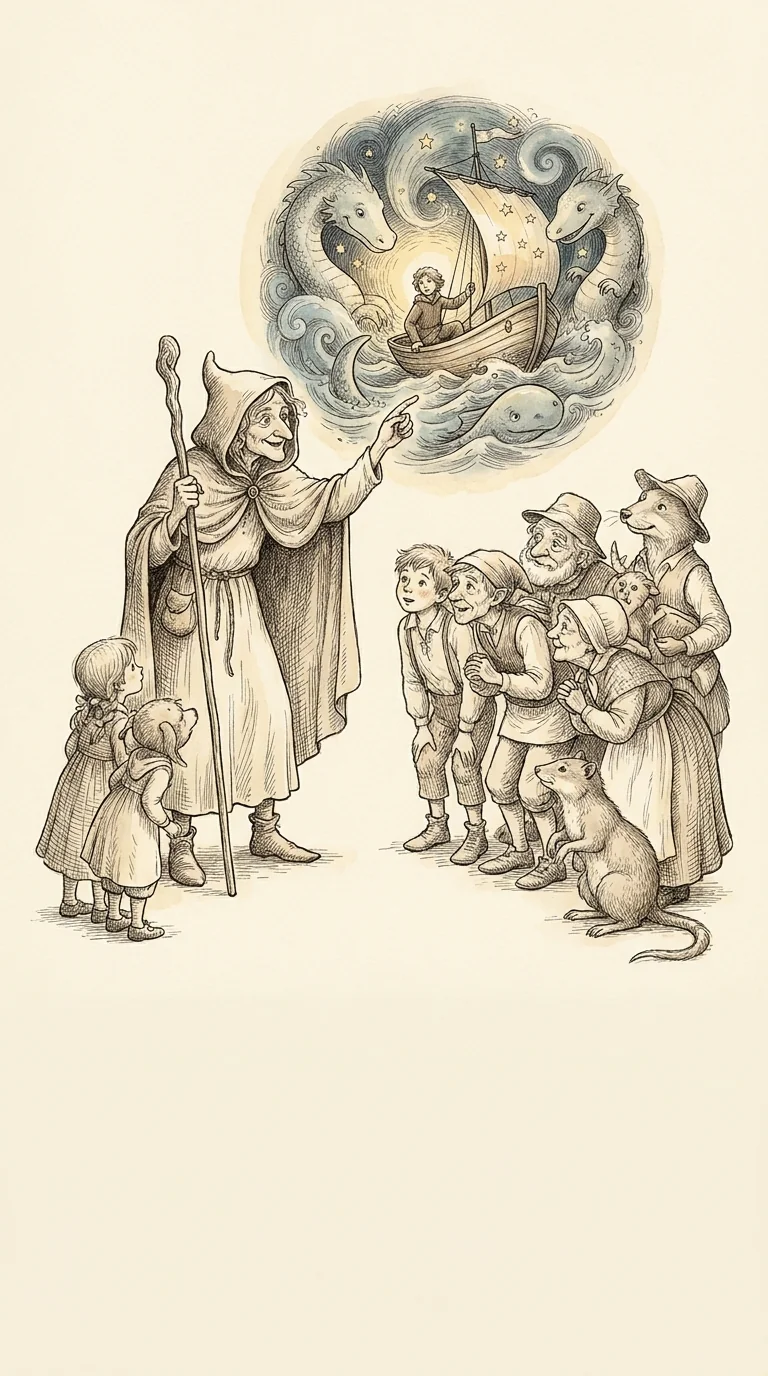
The expert power introduction: lead with what you've navigated, not what you're titled. 'I've spent five years in this exact transition — I know what breaks and what holds.' That's expert power speaking. A title is just a label.
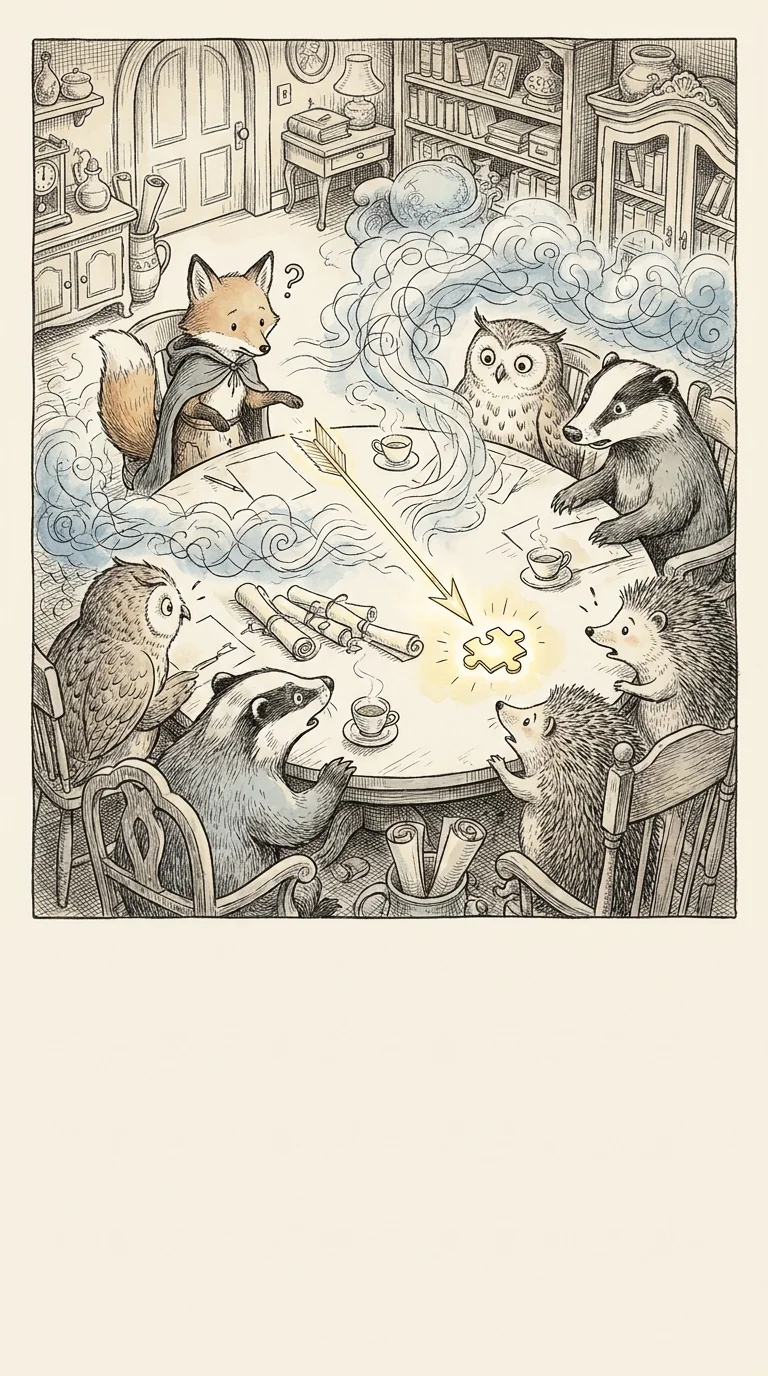
Expert power also signals through questions. The person who asks the right question — the one that reframes the conversation — displays more expertise than the person who answers everything. 'Have we considered what breaks in year three?' is a power question.
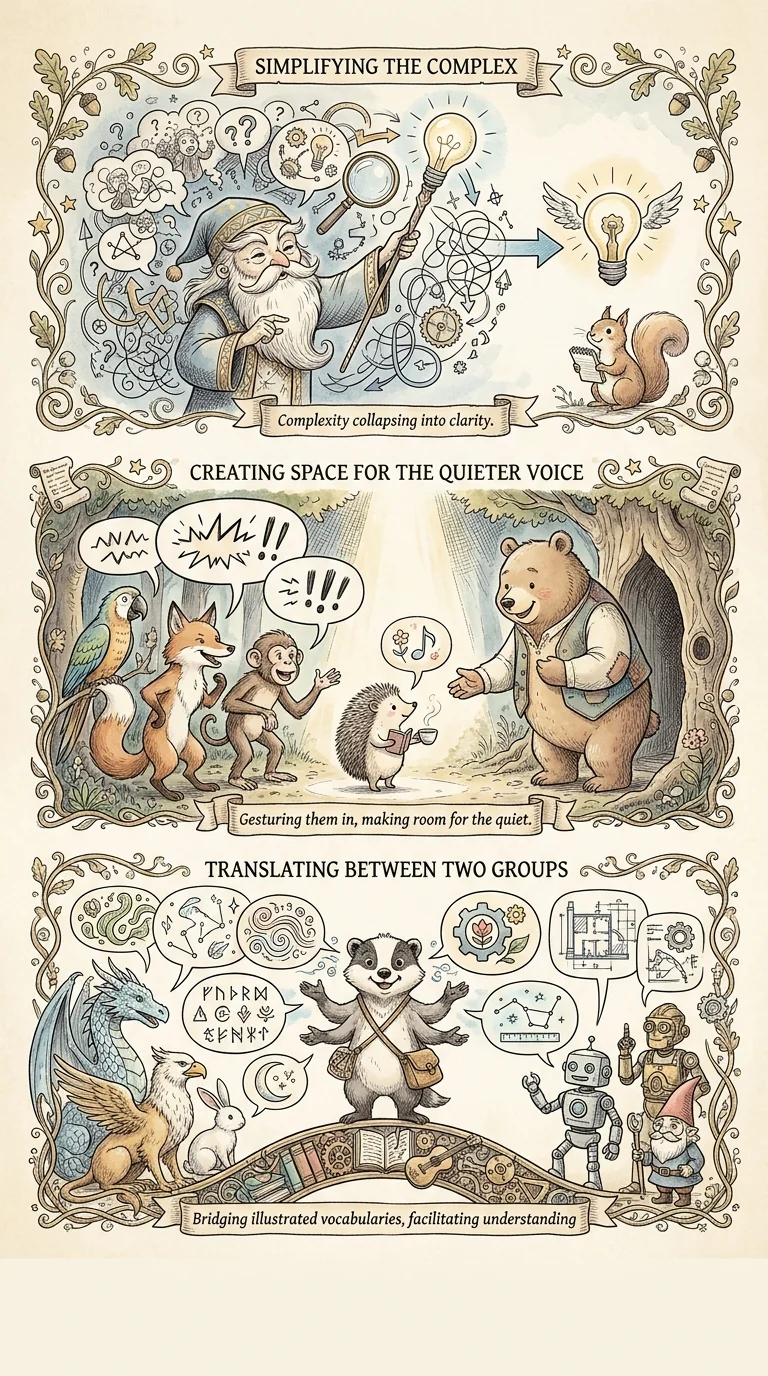
Micro-expert power moves for everyday situations: simplifying a complex idea for the room, noticing who isn't speaking and creating space for them, translating between two groups who are using different vocabularies to describe the same thing.
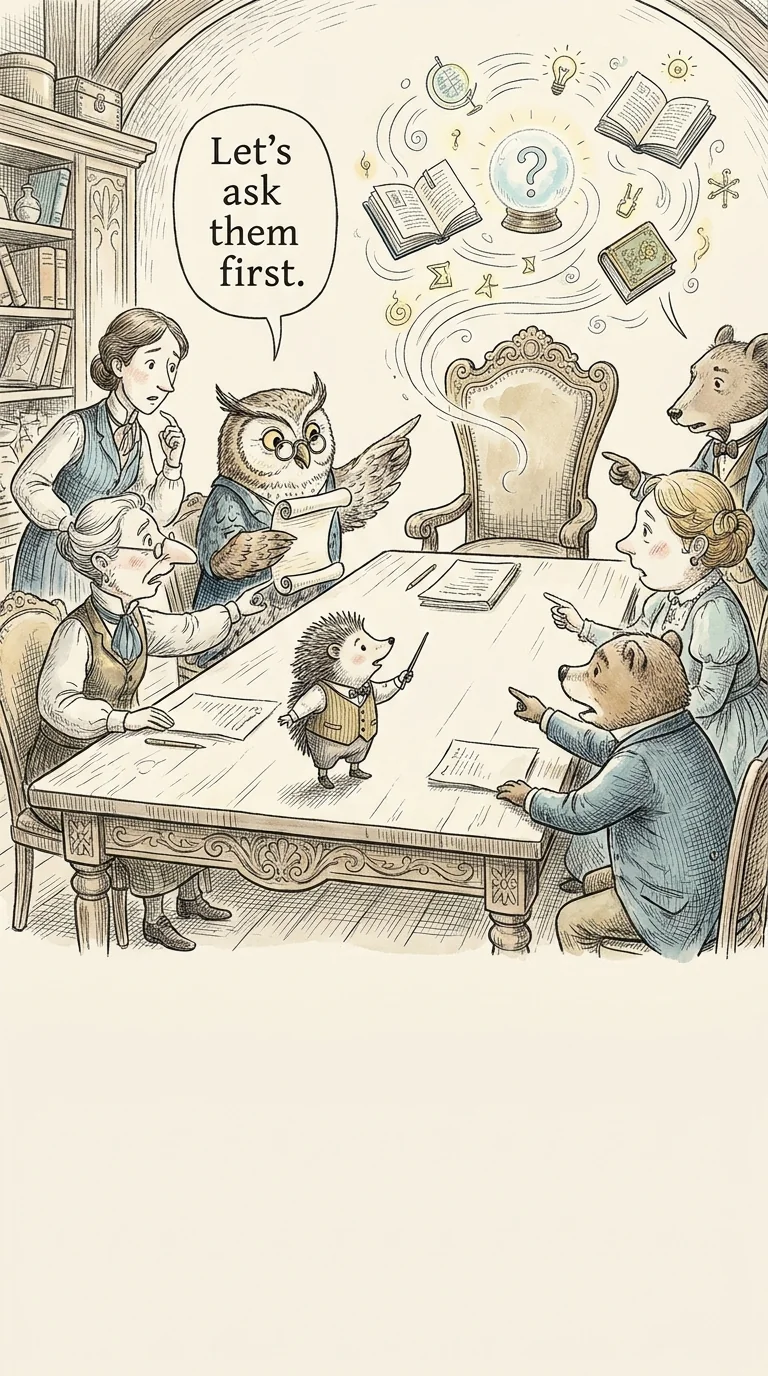
When you use your expert power well, others route questions to you — not just when you're in the room but when you're not. 'Ask Maya, she's seen this before.' That's the goal: becoming the person others reference as a credibility anchor.
Today: in your next relevant conversation, share one specific experience rather than one general claim. One sentence. Concrete, navigated, yours. Notice if the room's attention shifts.