The Magic Question
The single most effective question for discovering your expert power from the outside: 'What do you think I'm best at?' Not 'How am I doing?' Not 'What should I improve?' What am I best at — in your experience of me?
Part 1: The Magic Question
+5 XP on completion
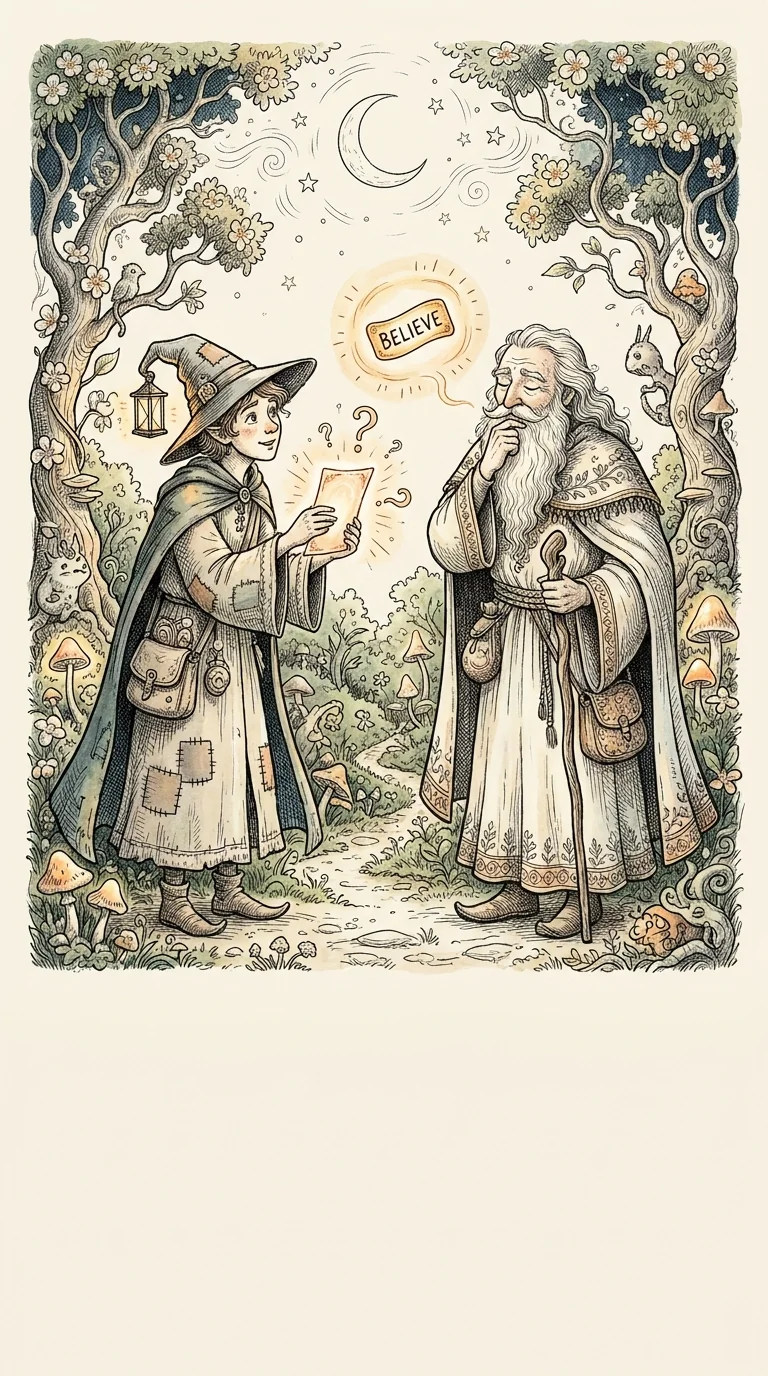
The single most effective question for discovering your expert power from the outside: 'What do you think I'm best at?' Not 'How am I doing?' Not 'What should I improve?' What am I best at — in your experience of me?

The question works because it bypasses your own blind spots. You don't see what you do naturally — it feels too easy to be an asset. Other people see it clearly precisely because they don't have it and they feel the difference when you're in the room.
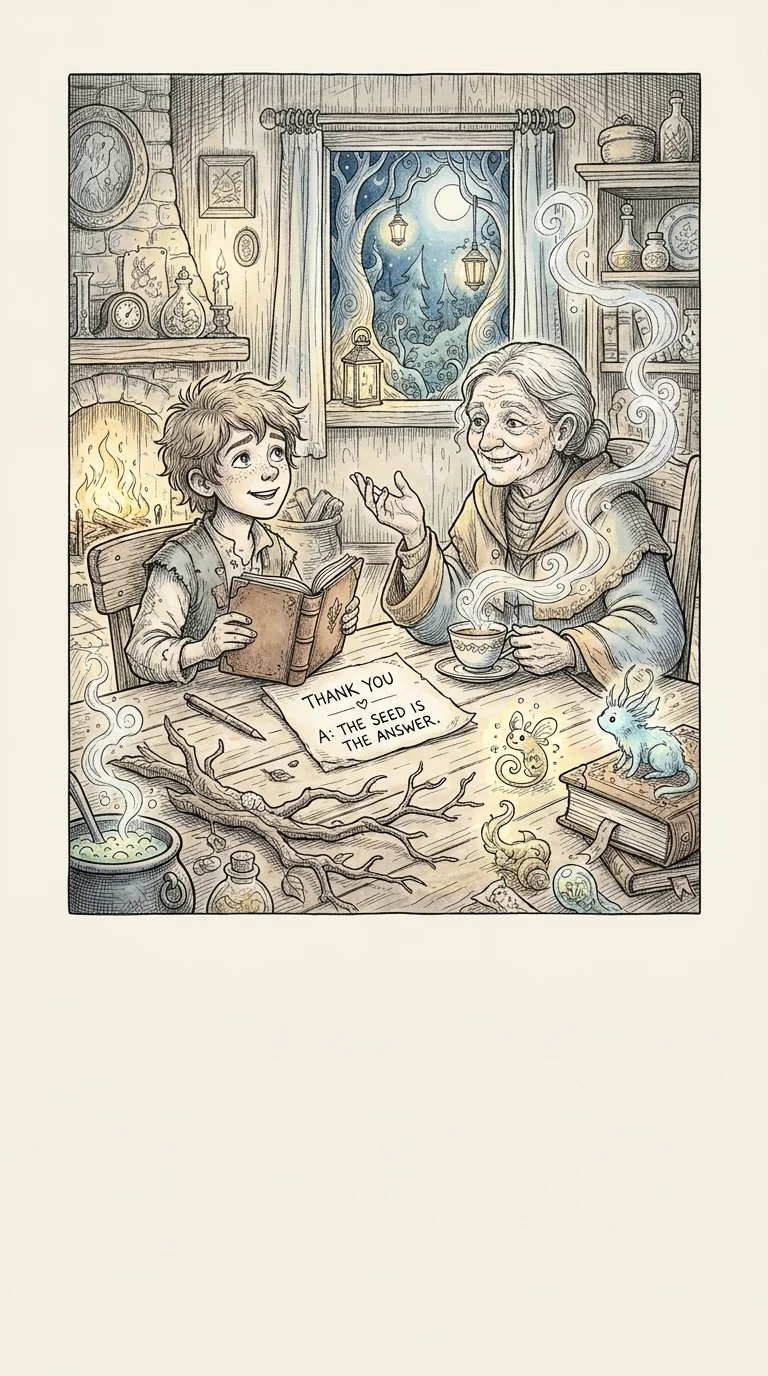
The rule when you receive the answer: don't qualify it, minimize it, or explain it away. Just say 'thank you' and write it down. People rarely share their honest assessments when they're immediately met with 'oh, it's not really that big a deal.'
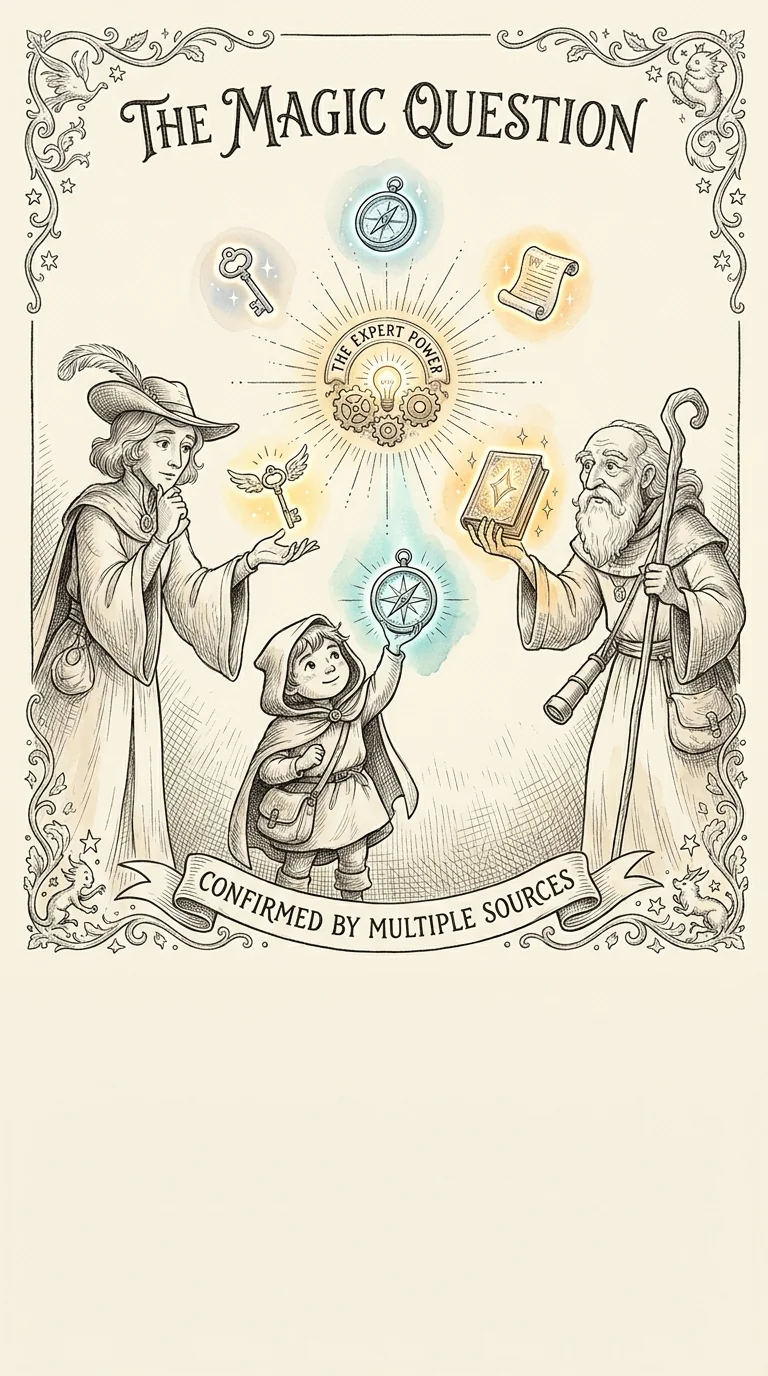
Ask three people. The overlapping answer — the thing two or three of them mention — is the signal. One answer is an observation. Three answers with overlap is a fact about how you show up in the world.
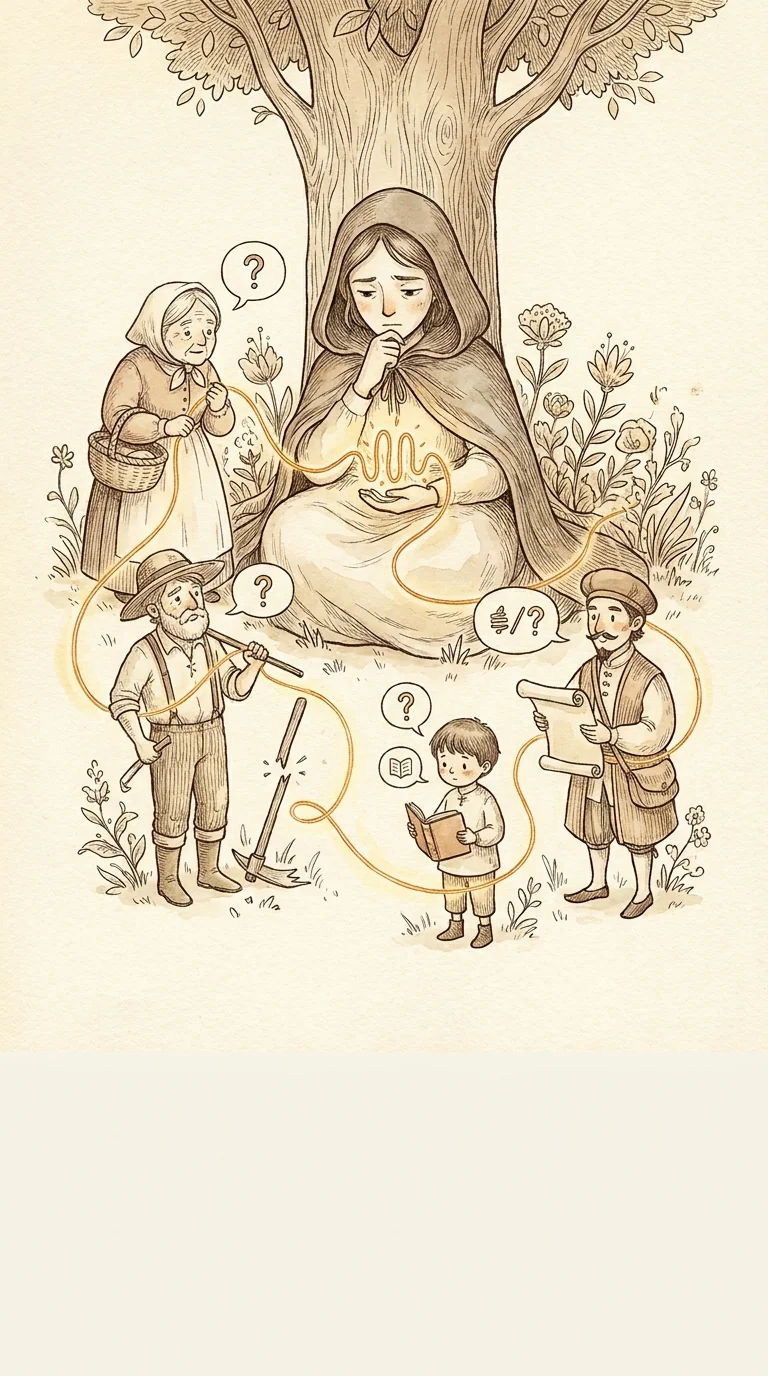
The second magic question is for self-discovery: 'What do people repeatedly come to me for?' Not what you're supposed to do. What do people actually come to you for, when they have a choice? That's your natural expert power, already in use.
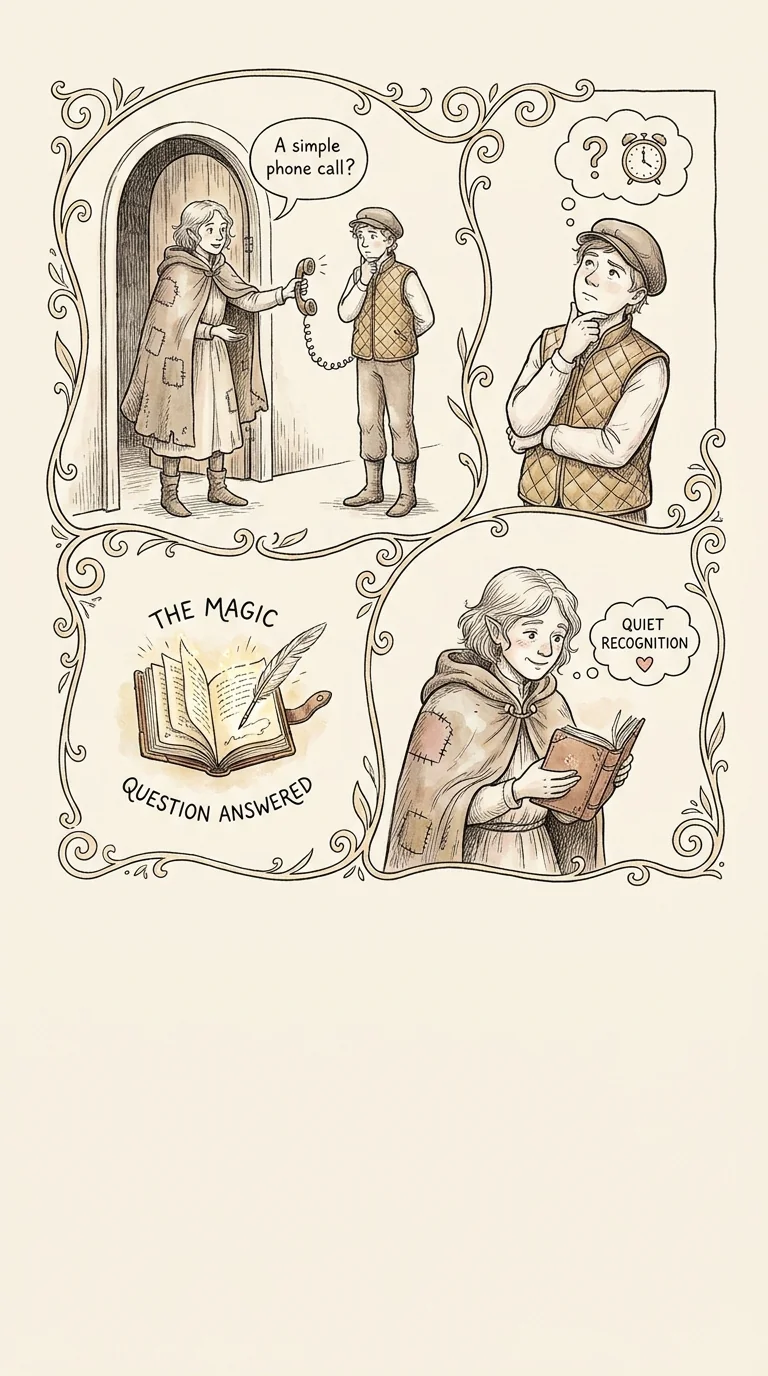
Today: ask the magic question to one person you trust. It takes 20 seconds to ask. The answer is often one of the most useful things anyone has ever told you about yourself. Say thank you and write it down.
Part 2: People Intelligence in High-Stakes Moments
+10 XP on completion
The negotiation. The difficult conversation. The presentation to a skeptical audience. The job interview. These are the moments where cue skills pay the most — because the stakes are real and the pressure compresses everyone back to their defaults.
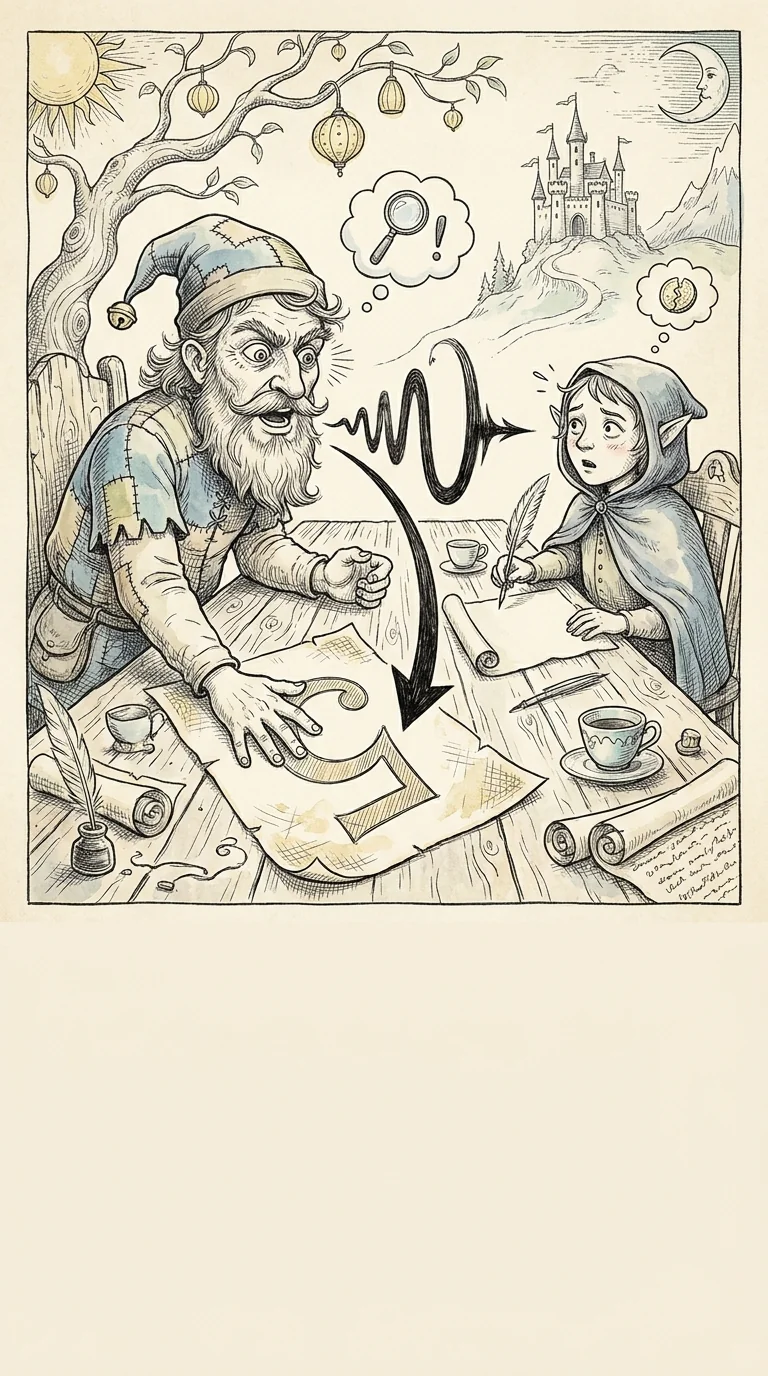
In negotiations: front fully (respect signal), use downward inflection on numbers and positions (they are not negotiations unless you open them as such), and read micronegatives before you add more content — contempt means stop, adjust, and inquire.

In difficult conversations: lead with warmth (head tilt, slow nod), use power speech for the hard truth (direct, without hedges), pause after the hard thing to let it settle, then bridge — physically or verbally — back to connection.
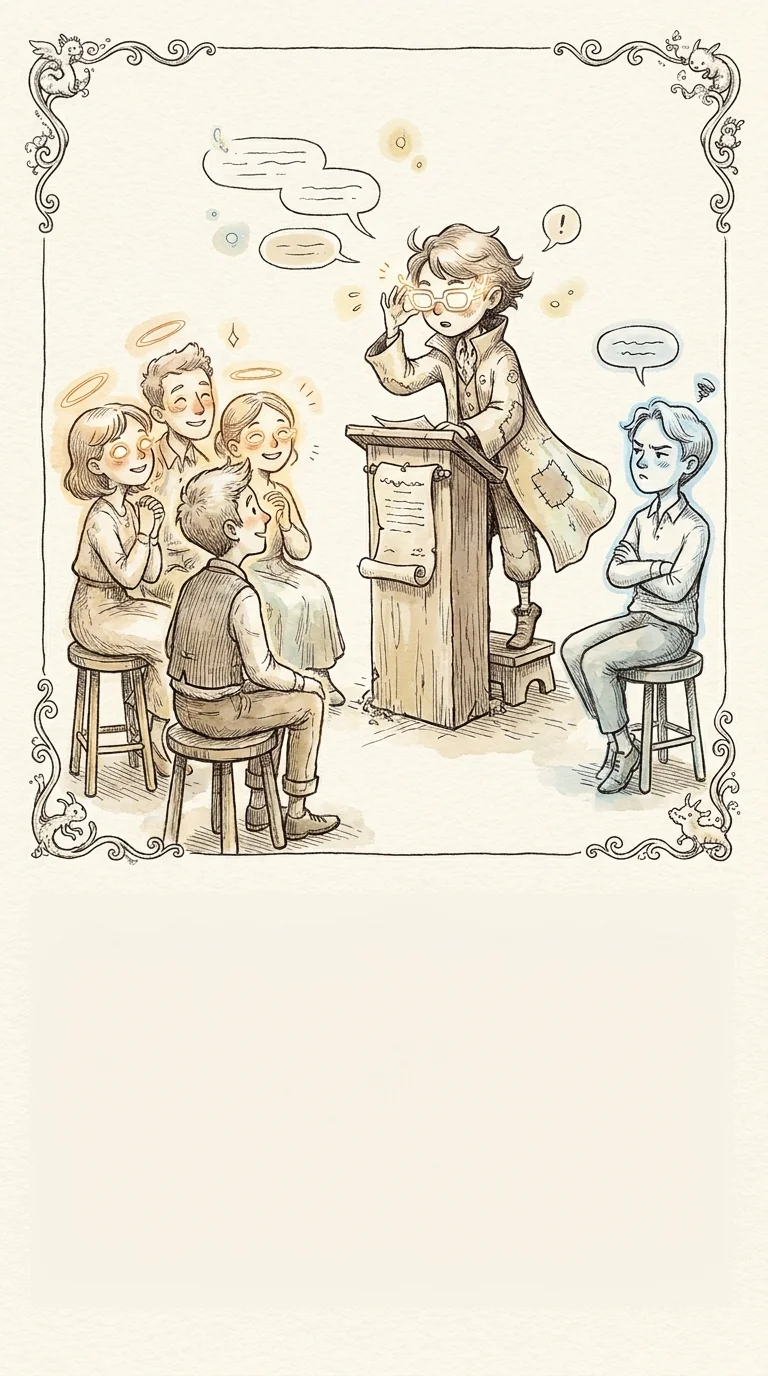
In presentations to skeptical audiences: open with the Triple Threat, establish competence early with a specific navigated experience, watch for micropositives to know who's with you and build from there, watch for the Not Face to know when to redirect.
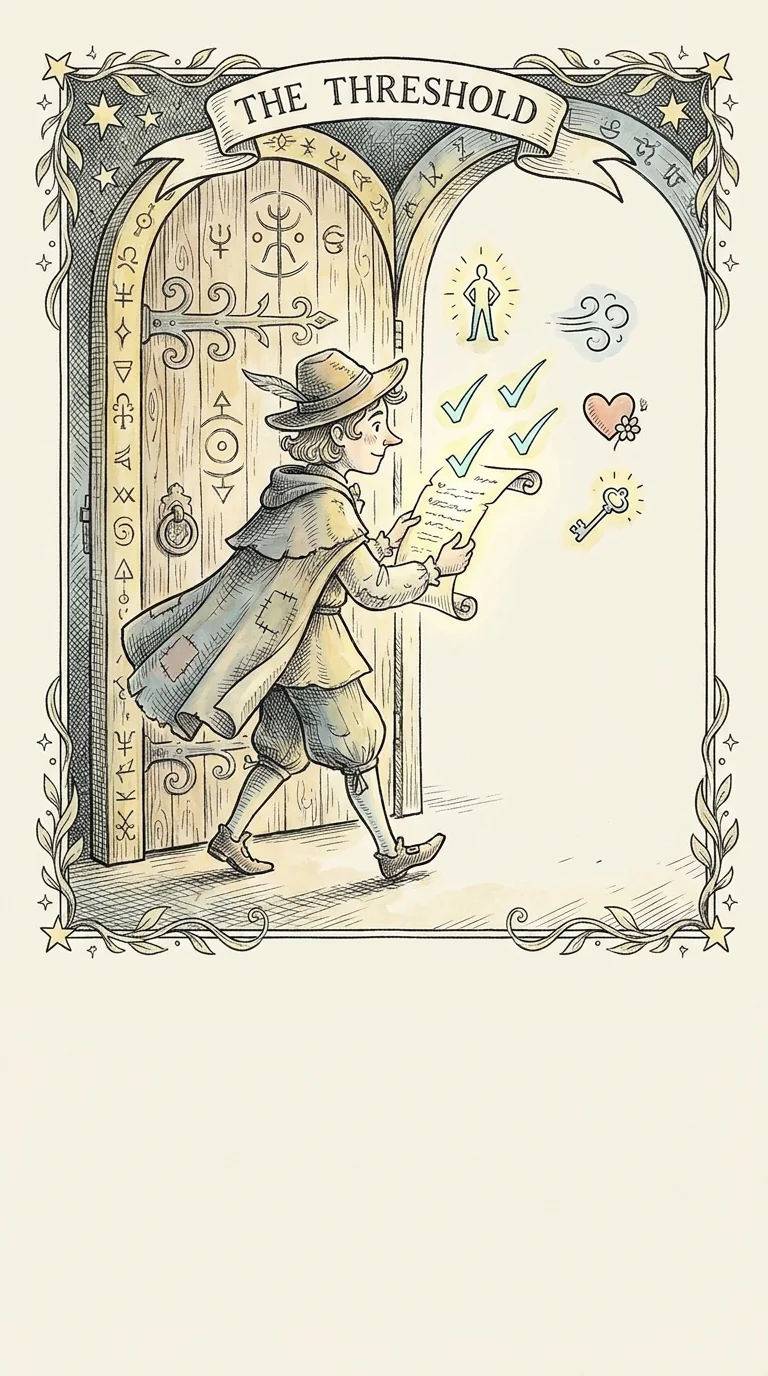
The 60-second pre-conversation checklist for any high-stakes moment: posture assembled (feet, shoulders, chin), outbreath ready, one genuine thing you appreciate about the person you're meeting, one specific thing you know that they need.
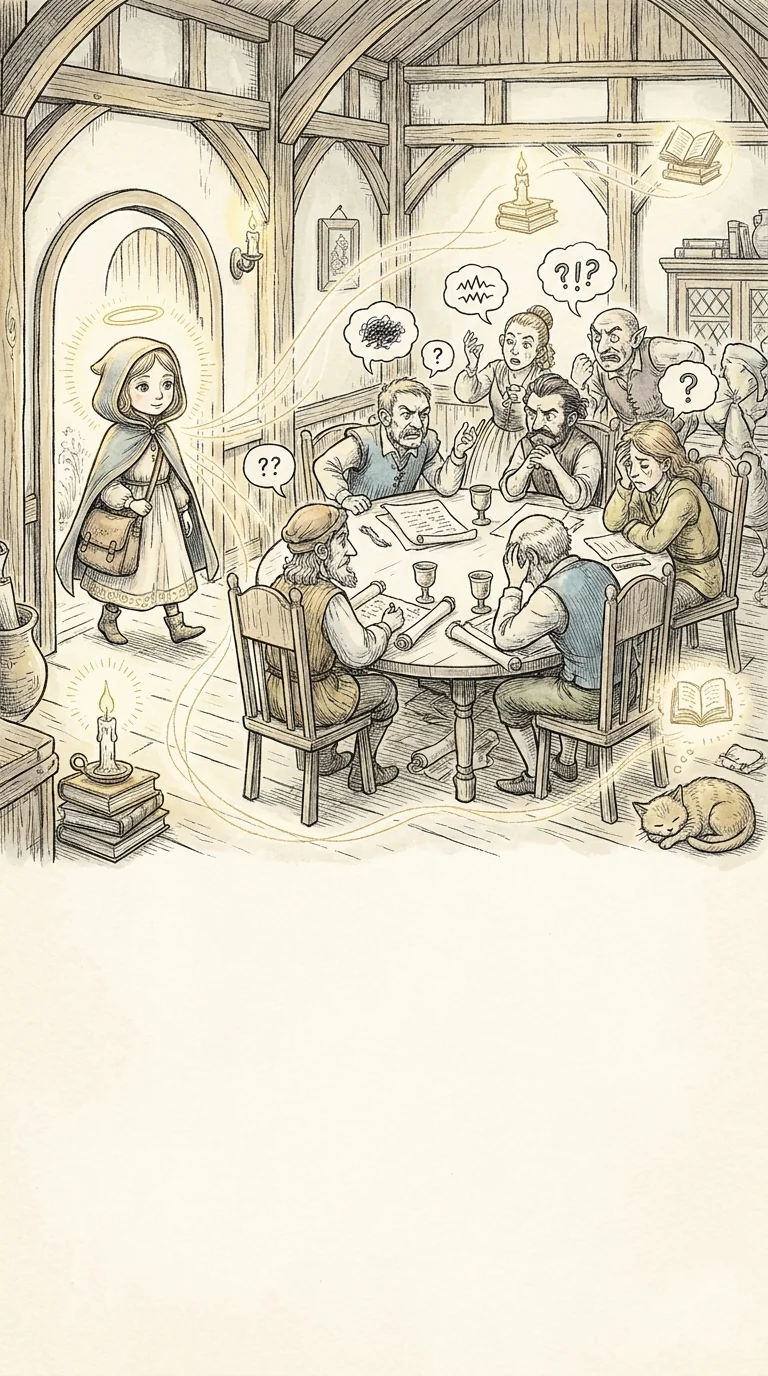
People Intelligence doesn't eliminate difficulty. It means you arrive with more information and more tools than the moment seems to give you credit for. That gap — between what the room sees and what you know — is your edge.