The Daily Signal — Building Your Practice
You don't maintain a skill by reviewing the notes. You maintain it by using one piece of it every day. Small, specific, real. After Day 30, the cue skills you've built will either compound or decay — and the difference
Part 1: The Daily Signal — Building Your Practice
+5 XP on completion

You don't maintain a skill by reviewing the notes. You maintain it by using one piece of it every day. Small, specific, real. After Day 30, the cue skills you've built will either compound or decay — and the difference is whether you build in repetition.
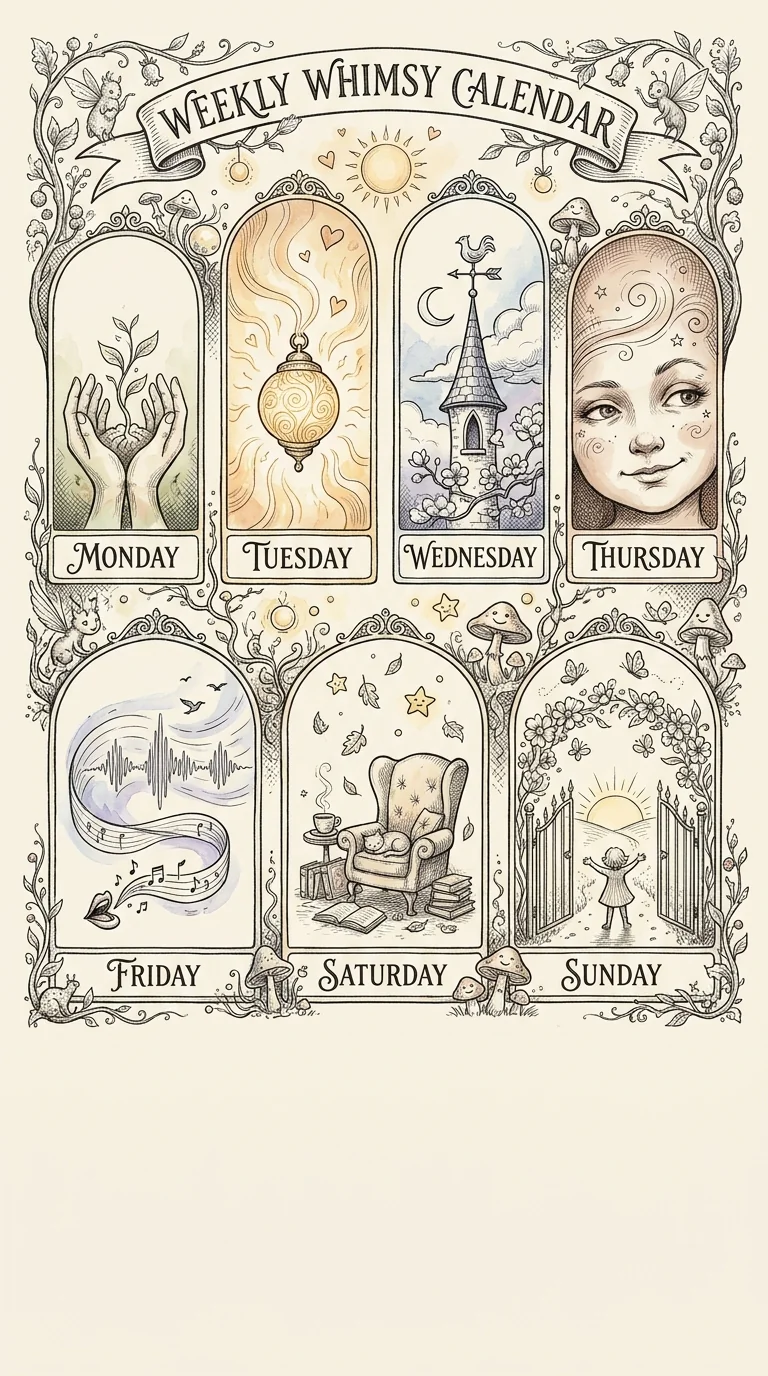
The weekly maintenance map: one cue per day. Monday — Triple Threat opening in the first interaction. Tuesday — one warmth cue. Wednesday — one competence signal. Thursday — one microexpression observation. Friday — one vocal moment. That's it.
The one-a-day approach works because it keeps the skill in active use without turning your whole social life into a practice session. One deliberate cue per interaction is all that's needed for long-term retention.
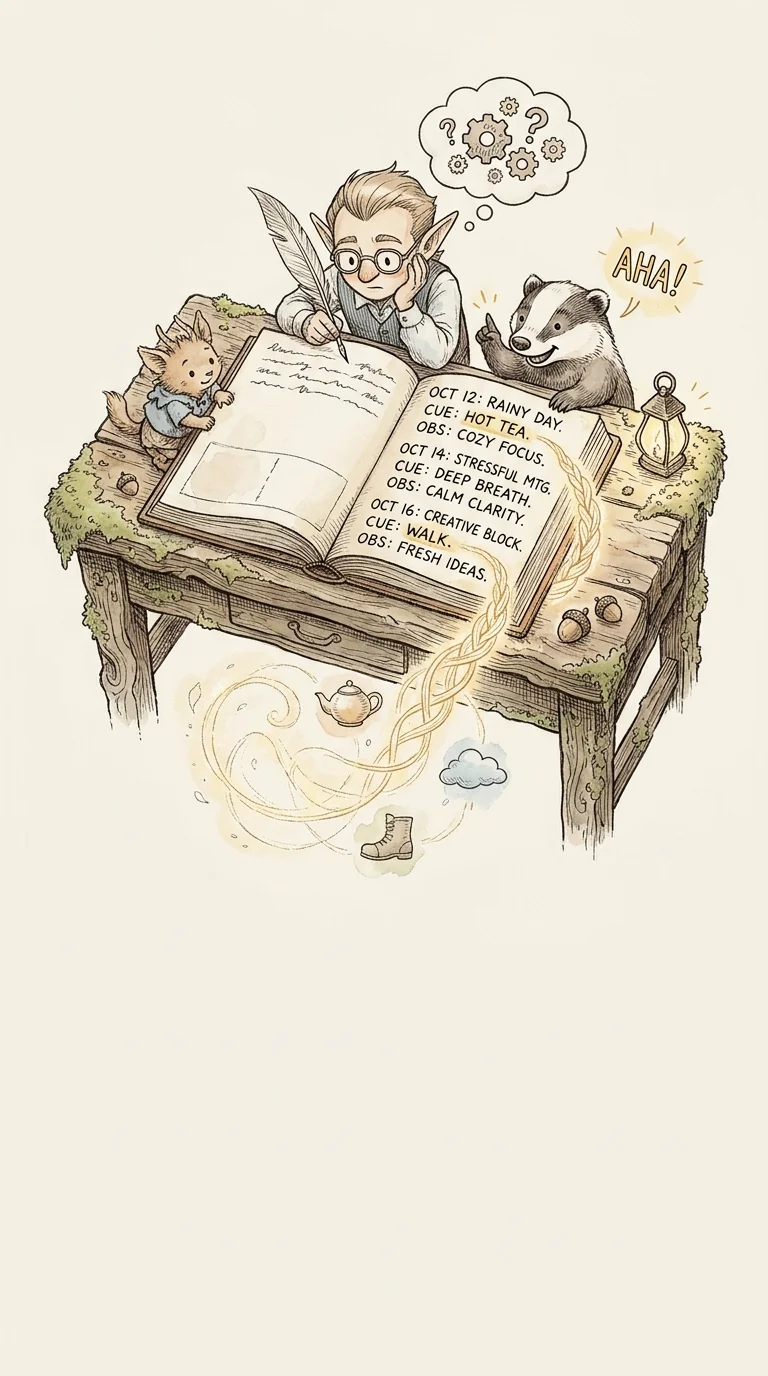
The cue log: after three interactions per week, write one line — situation, cue practiced, what you noticed. It takes ninety seconds. After thirty days you'll have a map of what works in your specific life, with your specific people.
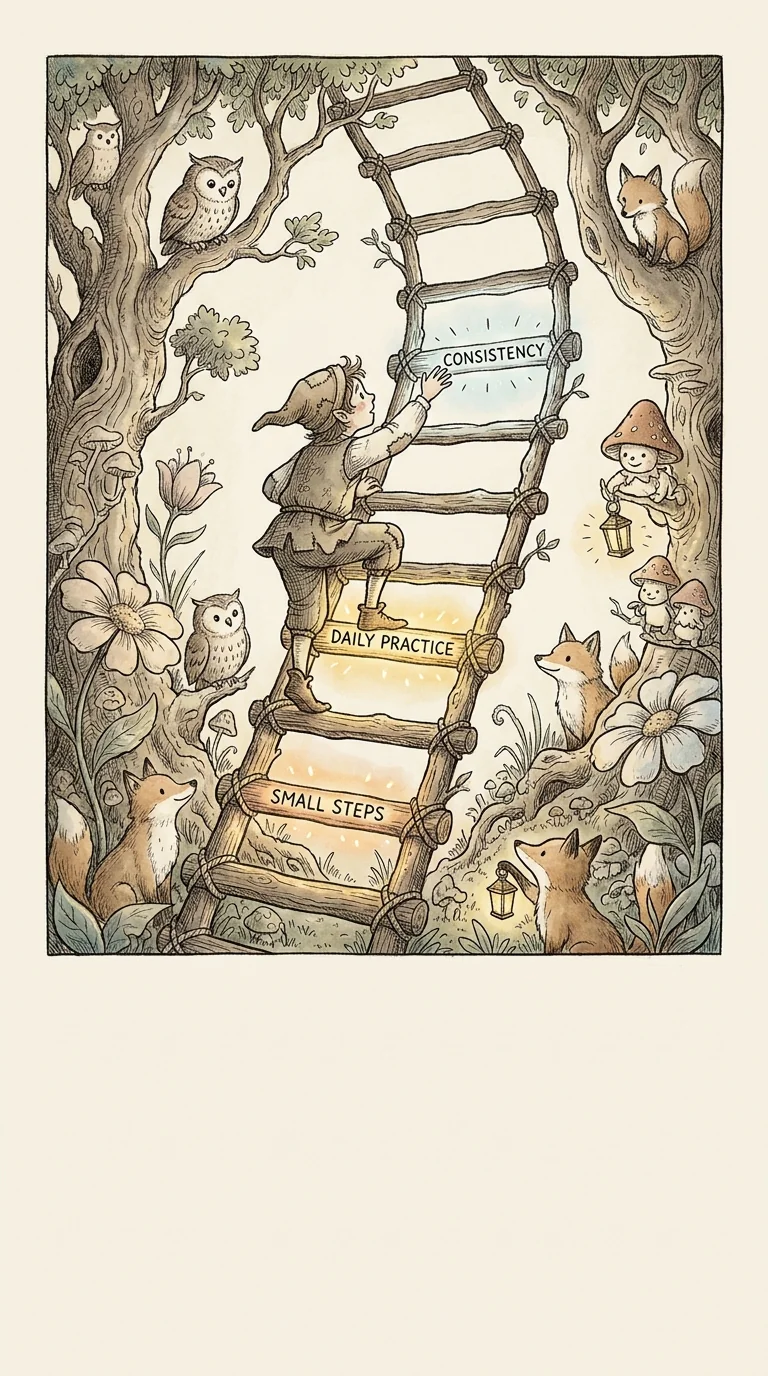
The escalation ladder: as each cue becomes automatic, add one more. Don't try to practice all thirty days' content simultaneously — that's how the skills get diluted. Stack them one at a time, waiting until each one feels natural.

Today: write your personal weekly maintenance plan. Which one cue will you focus on each day next week? Name it, schedule it, write it. The act of naming turns intention into practice.
Part 2: What You're Actually Building
+10 XP on completion

People Intelligence is not a social performance. It's the capacity to make your actual warmth, competence, and care visible to the people who need to see it. The signals don't create a persona — they reveal the one you already have.
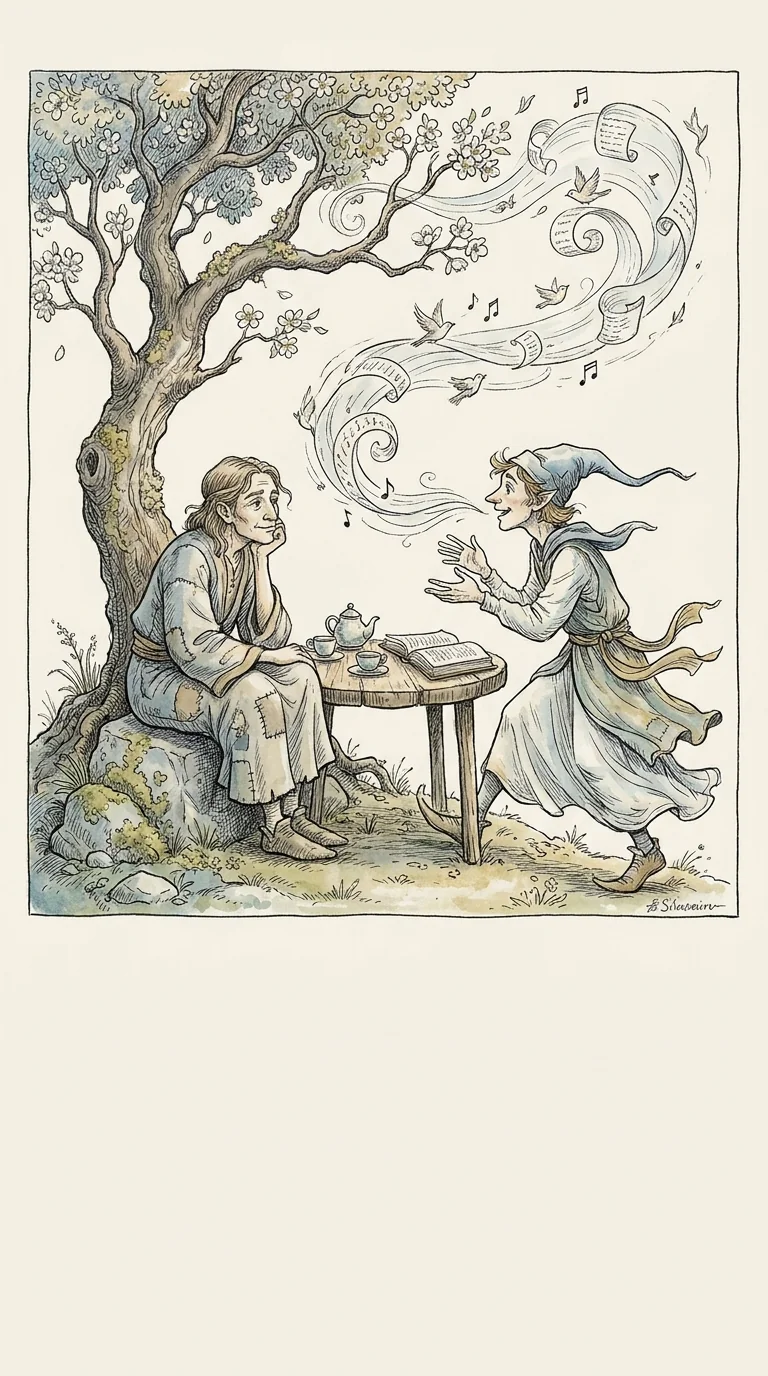
What changes in rooms: people feel more heard by you. Not because you changed your opinion, but because your body and voice are now clearly signaling that you're receiving what they're saying.

What changes in decisions: when you speak with stillness, downward inflection, and specific examples, your recommendations carry more weight. Not because you became smarter — because the delivery stopped hiding the thinking.

What changes in relationships: people sense that you see them — really see them — because you're reading their signals, remembering their details, and adjusting to what they need. That experience is rare. People return to it.

What you're not building: a mask. The whole system fails if you use it to perform warmth you don't feel, signal competence you don't have, or project confidence you're secretly planning to abandon. The signals only work when they're true.

People Intelligence is a daily choice to show up fully — present in your body, clear in your voice, attuned to the person in front of you. Today, tomorrow, and whenever the moment is worth it.