Advanced Pattern Reading
By now you can read individual cues. The advanced skill is reading patterns across a conversation — how the energy shifts, when it opens up, when it constricts. The pattern tells a story that no single cue can.
Part 1: Advanced Pattern Reading
+5 XP on completion
By now you can read individual cues. The advanced skill is reading patterns across a conversation — how the energy shifts, when it opens up, when it constricts. The pattern tells a story that no single cue can.
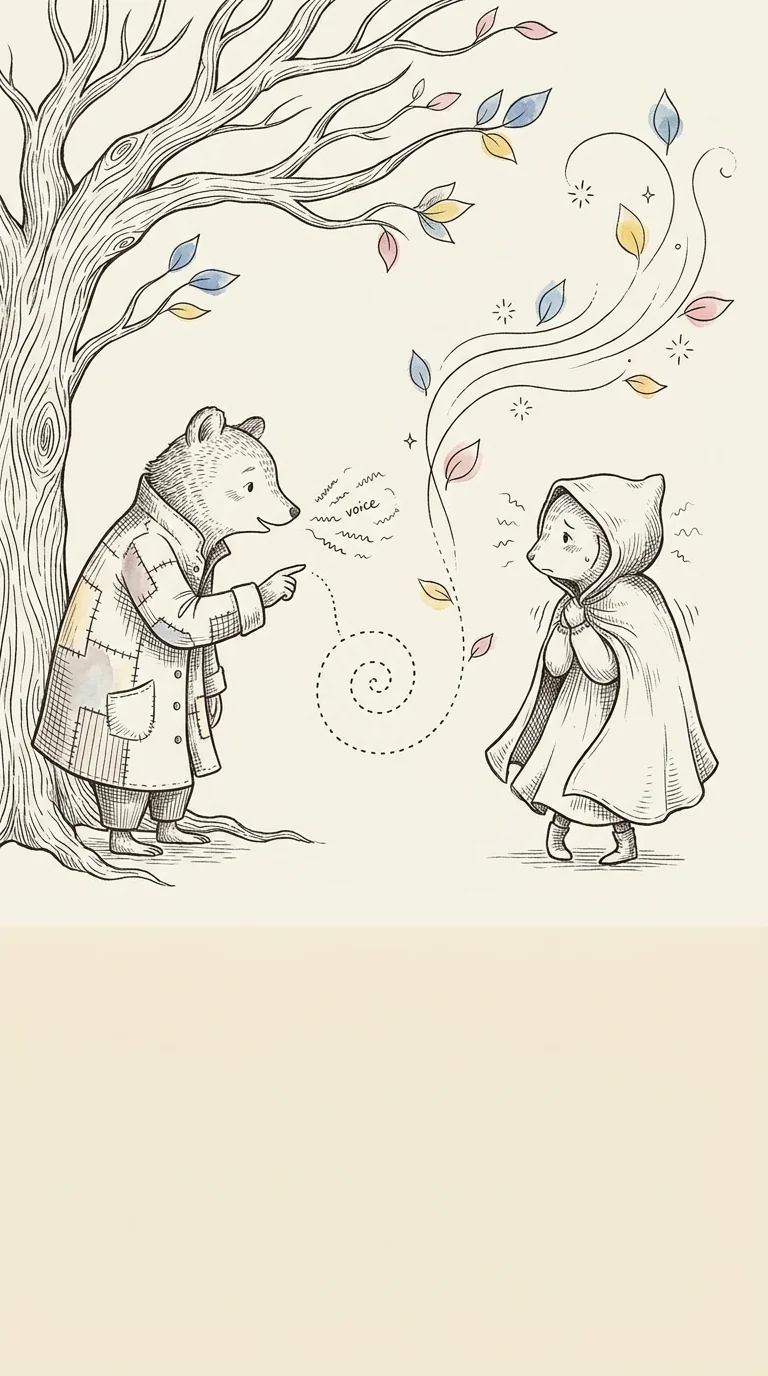
When someone's energy drops mid-conversation — voice quiets, pace slows, body pulls back — something happened. Often the person themselves can't name what. Your job isn't to fix it immediately; it's to acknowledge it: 'I noticed a shift — are we still on track?'
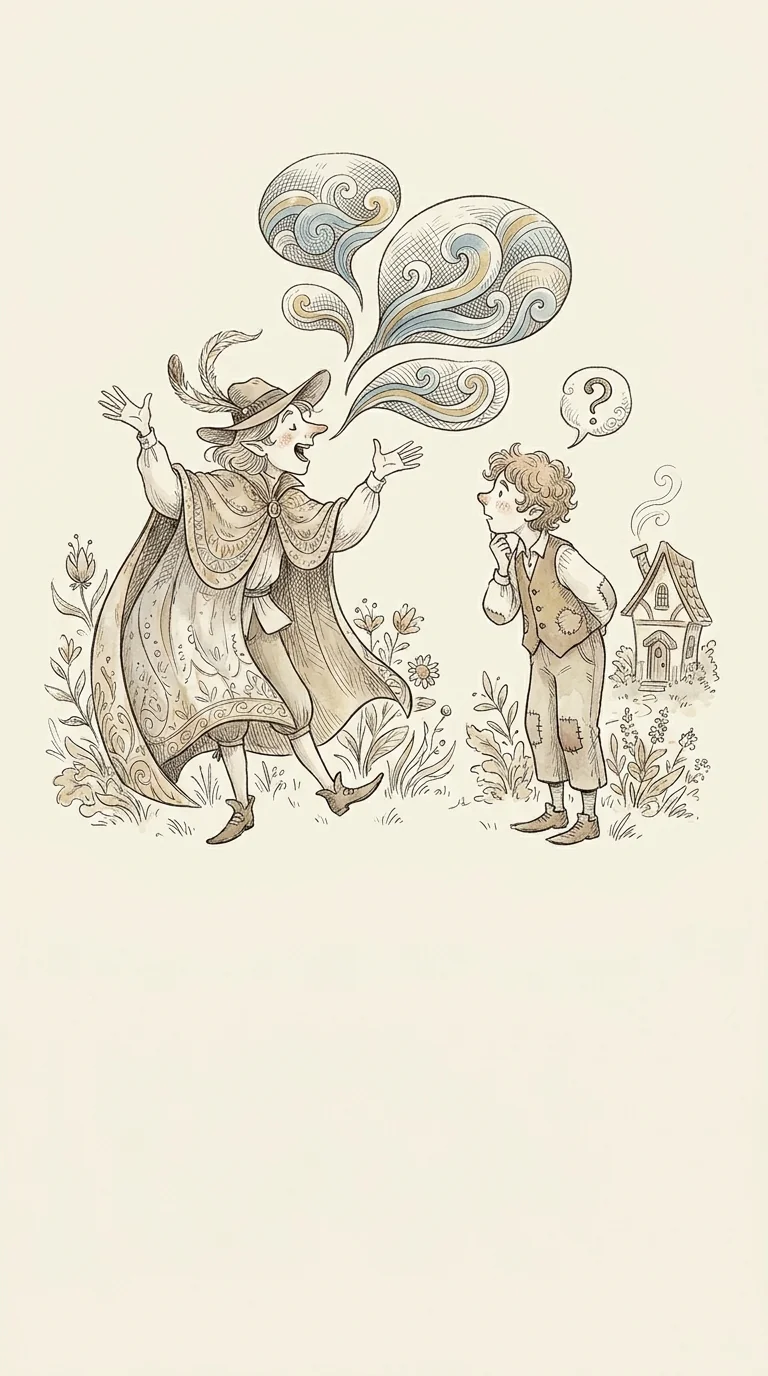
When energy spikes — voice picks up, they lean in, they start gesturing more — you're on a thread worth following. Slow down, ask more, go deeper. People rarely experience someone tracking their moments of aliveness with this much attention.
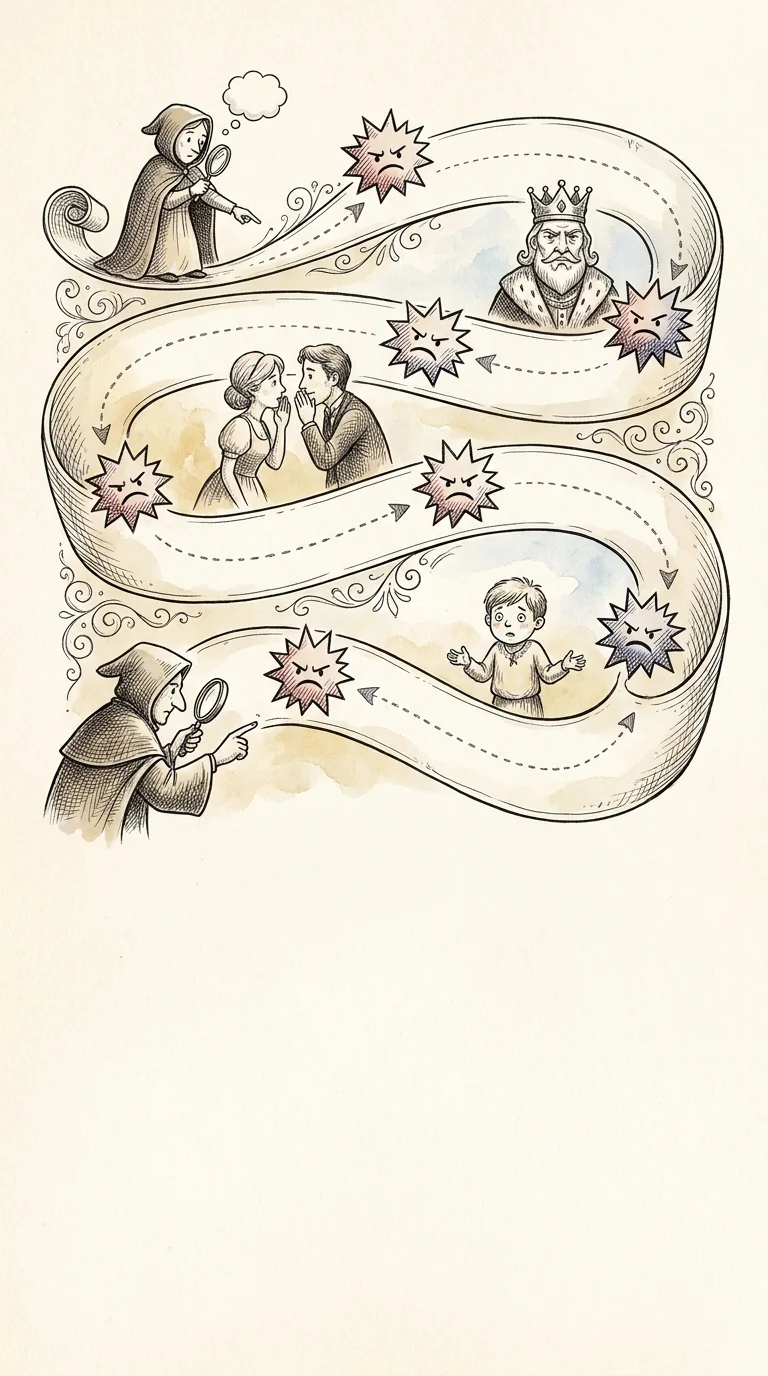
The pattern of microexpressions matters more than individual flashes. One flash of contempt in a two-hour conversation is not a disaster. Five flashes across the same conversation in the same direction means something systemic needs addressing.
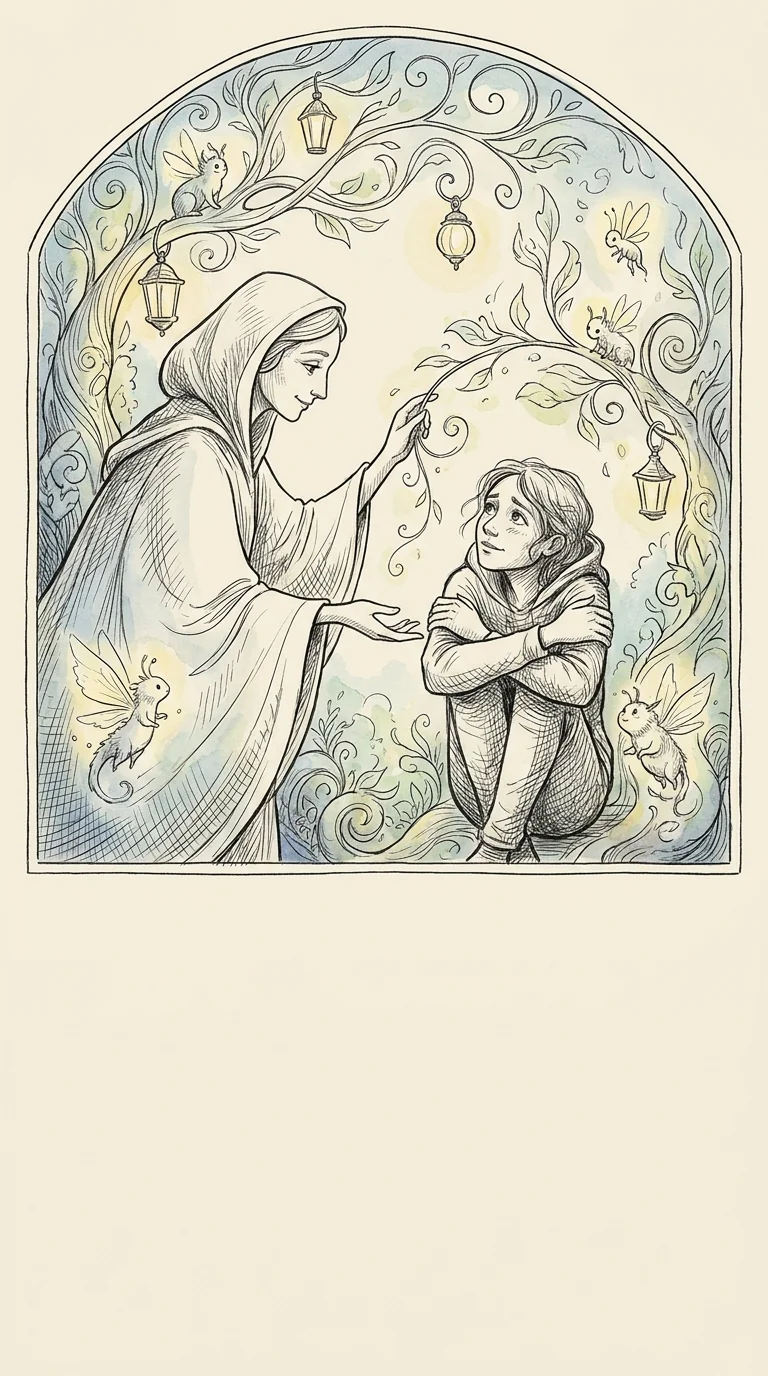
People show you what they need before they ask for it. Closed body language before a difficult topic is a request for safety. High energy on a specific subject is a request to go further. Learning to honor these unspoken requests is the deepest skill in this course.
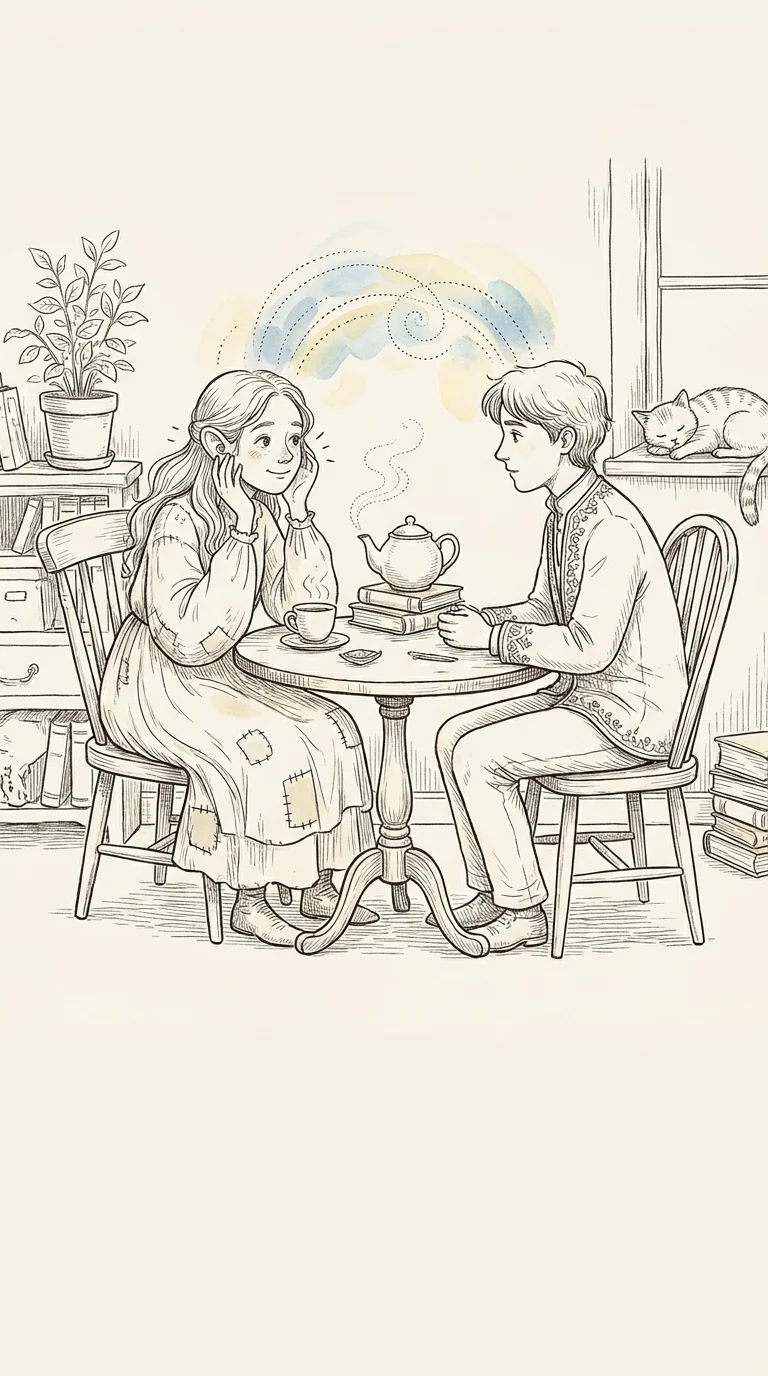
Today: in one conversation, track the energy arc — when did it rise, when did it drop, when did it flatten? Just observe the pattern. You're developing a new kind of attention that most people never develop deliberately.
Part 2: Troubleshooting Your Signals
+10 XP on completion
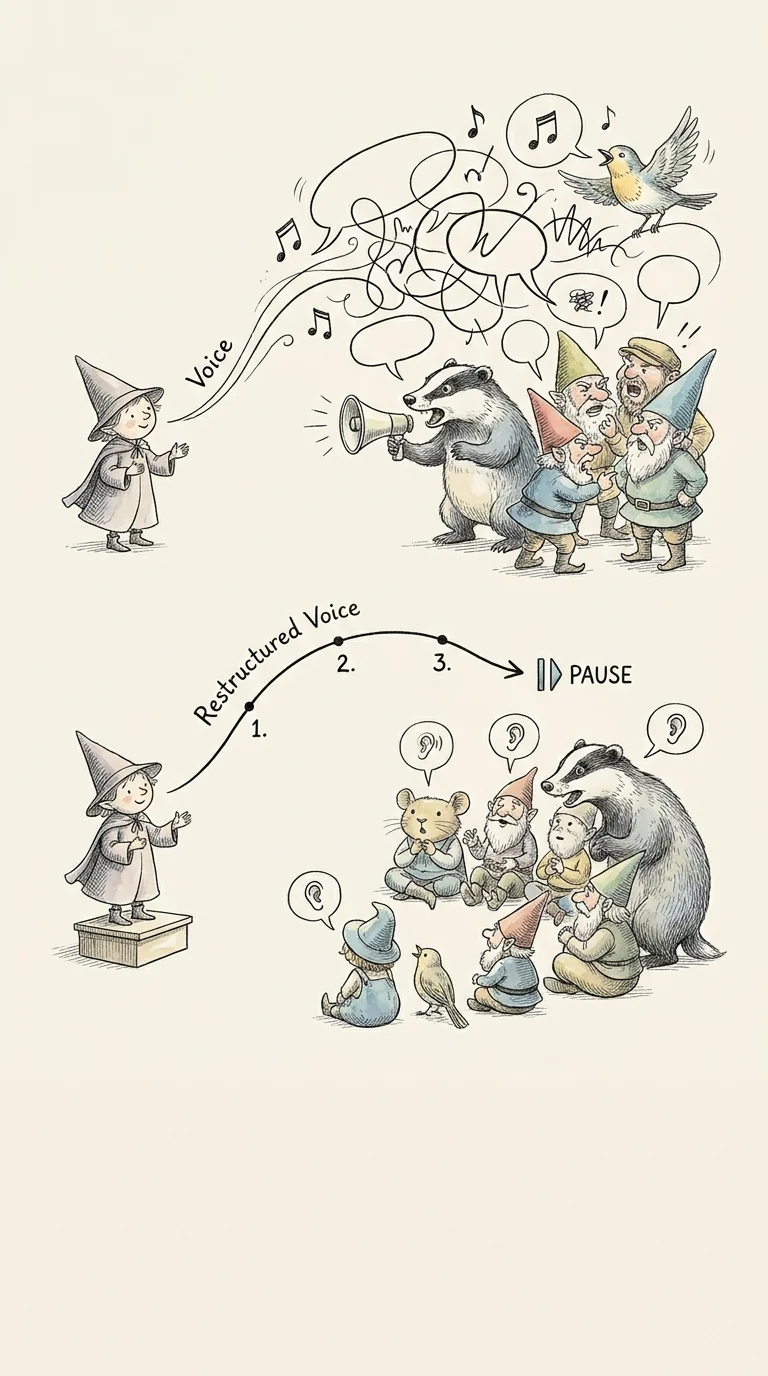
'People talk over me.' Likely cause: low competence signals or upward inflection on statements. Fix: number your points, end sentences with downward inflection, pause instead of filling silence. Structure gives your contribution weight that volume alone can't.
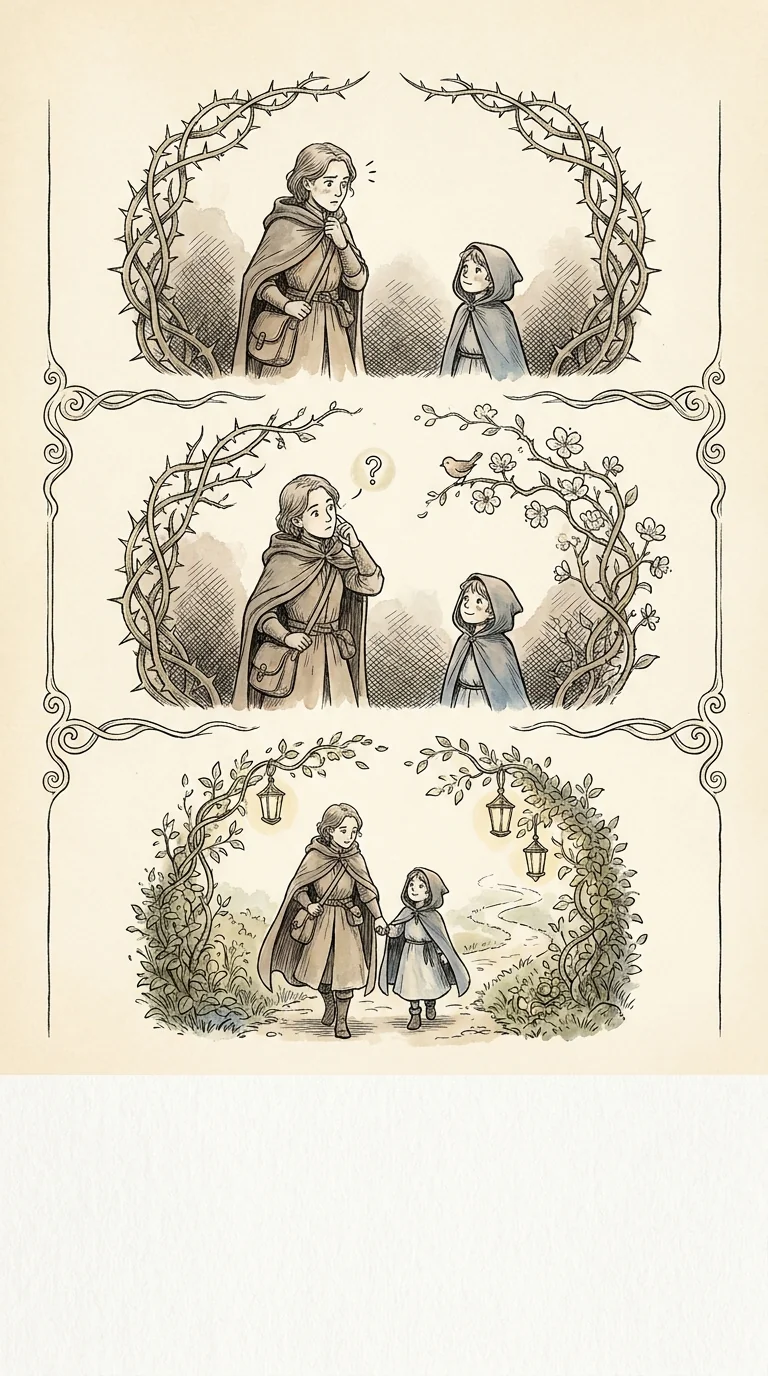
'People seem guarded around me.' Likely cause: insufficient warmth signals — too much competence, not enough listening. Fix: add head tilt, triple slow nod, and one genuine curiosity question per conversation. The guardedness is a request for safety you haven't signaled yet.
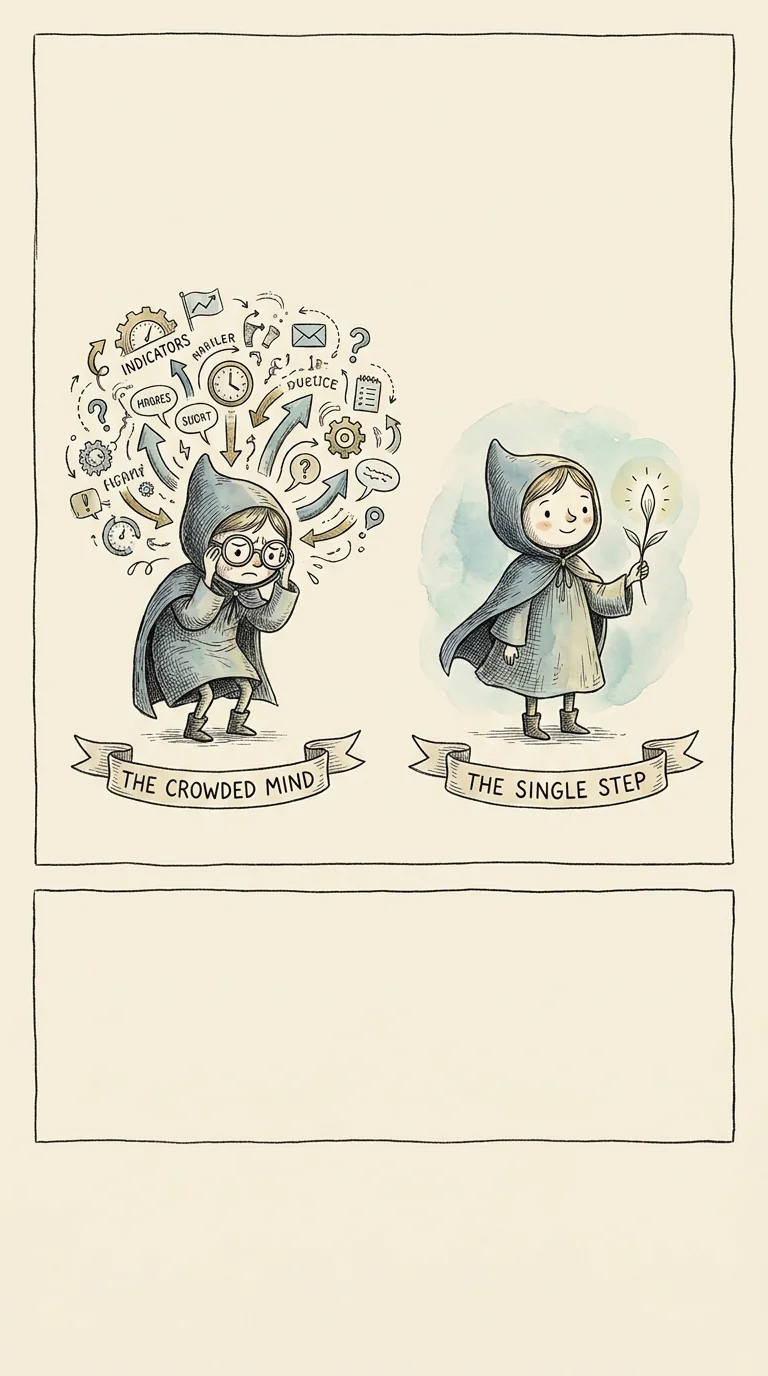
'I feel fake doing this.' This is the most common early-stage problem — trying to use multiple cues before any of them have become natural. Fix: practice one cue until it feels invisible, then add the next. Feeling fake means you're performing; feeling natural means you've automated.
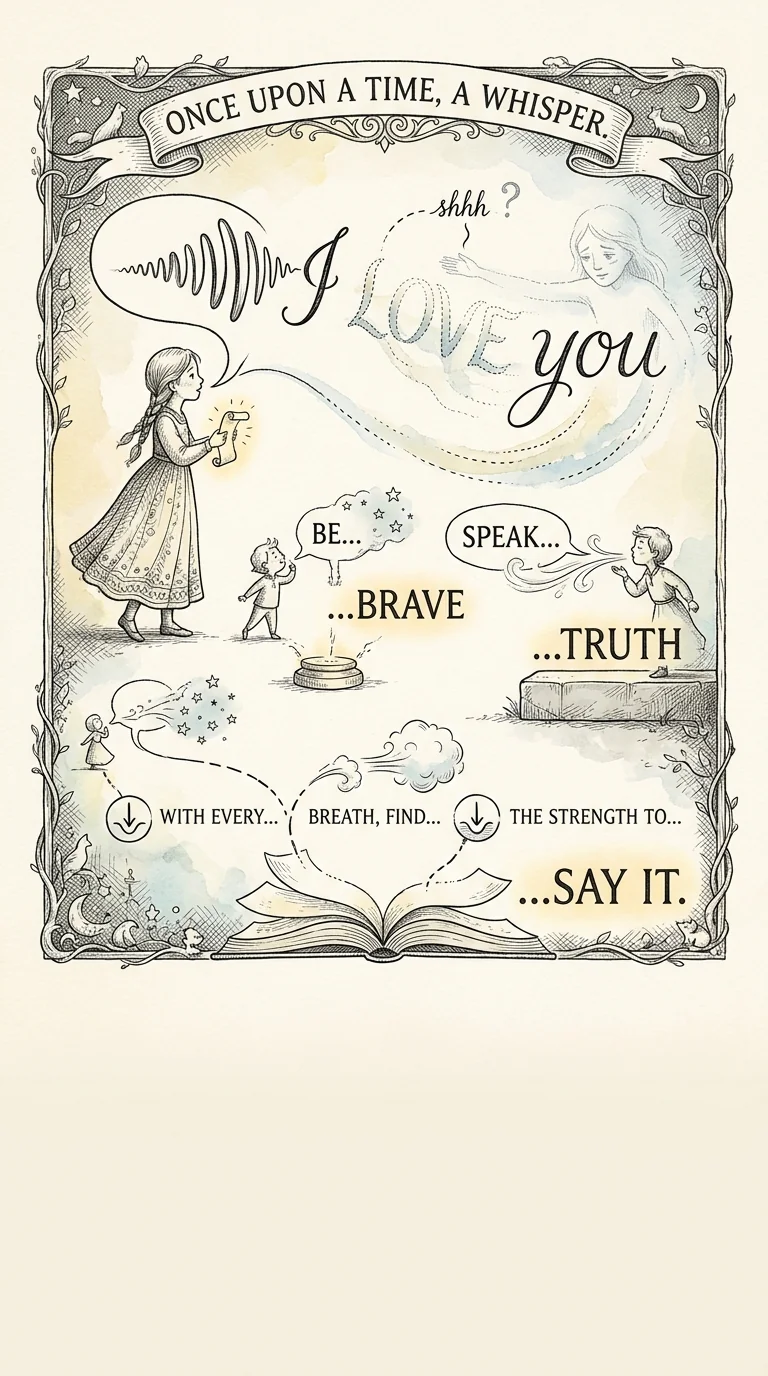
'My voice fades at important moments.' Cause: insufficient breath at sentence endings. Fix: shorten your sentences and add a breath before each one. You're not running out of ideas — you're running out of air. Shorter sentences, fully supported.
'Eye contact feels intense.' Cause: staring instead of connecting. Fix: use the triangle method (left eye, right eye, mouth) and allow natural breaks to look slightly away while thinking. The goal is a rhythm of connection, not a sustained stare.
Every skilled practitioner in any field has a troubleshooting map — not because things keep going wrong, but because they've learned to diagnose quickly and correct without drama. Your cue skill is now mature enough to self-correct.